Hanfu for Special Occasions: Weddings, Graduations & Festivals
The Hanfu Renaissance: Celebrating Milestones in Traditional Attire
The Hanfu movement has evolved from a niche historical interest into a mainstream cultural phenomenon, fundamentally reshaping how young adults in China and the global diaspora celebrate their most significant life milestones. No longer confined to casual streetwear or cosplay, traditional Chinese clothing is now the garment of choice for weddings, university graduations, and major lunar festivals. According to industry insights highlighted by China Daily, the Hanfu market has exploded into a multi-billion-yuan industry, driven heavily by demand for high-quality, occasion-specific garments that honor ancestral heritage while embracing modern tailoring standards.
Choosing the correct Hanfu for a specific event requires an understanding of historical dynasties, fabric weights, and ceremonial etiquette. This comprehensive guide will walk you through the practicalities of selecting, sourcing, and styling Hanfu for weddings, graduations, and traditional festivals.
1. Hanfu Weddings: A Return to Classical Matrimony
Modern brides and grooms are increasingly rejecting Western white gowns in favor of the profound symbolism and striking aesthetics of traditional Chinese wedding attire. As noted by the South China Morning Post, the shift toward Hanfu weddings represents a desire for cultural rootedness and unparalleled visual grandeur.
Ming Dynasty Elegance: Fengguan Xiapei
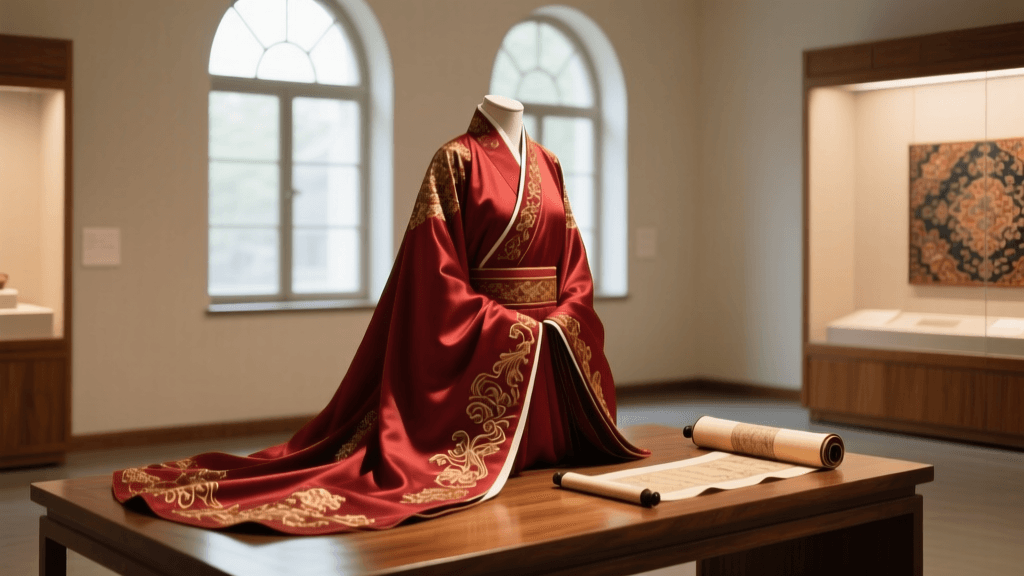
The most popular choice for a formal Hanfu wedding is the Ming Dynasty Fengguan Xiapei (Phoenix Crown and Rosy Cape). This ensemble is the epitome of classical Chinese bridal luxury.
- The Fengguan (Phoenix Crown): An intricate headdress adorned with kingfisher feather inlays (or modern silk/ribbon alternatives), gold filigree, and pearl tassels. Authentic replicas can weigh between 1.5 to 3 kilograms, requiring the bride to practice posture and neck strength months before the ceremony.
- The Xiapei (Rosy Cape): A V-shaped embroidered stole draped over the shoulders, weighted at the bottom with jade or gold pendants to ensure it hangs perfectly straight.
- The Mang Qun (Python Skirt): Often paired with a heavily embroidered crimson or emerald jacket. Despite the name, the 'python' motif is a four-clawed dragon, historically reserved for high nobility and now a symbol of supreme marital blessing.
- Cost & Timing: A high-quality, custom-embroidered Ming bridal set ranges from $500 to over $2,000 USD. Because of the dense hand-embroidery or high-grade machine weaving required, brides must order these sets 4 to 6 months in advance.
Tang Dynasty Grandeur: Da Xiu Shan
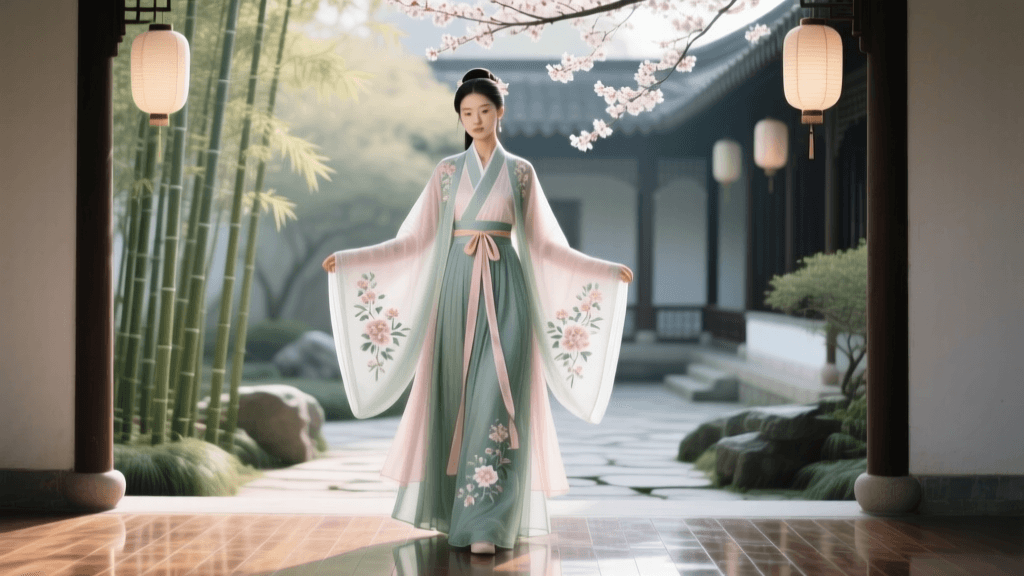
For summer weddings or couples seeking a more ethereal, romantic silhouette, the Tang Dynasty Da Xiu Shan (Large Sleeve Gown) is ideal. Characterized by floor-sweeping sleeves that can extend past the hands by over a meter, this style utilizes lightweight silk chiffons and organzas. Colors lean toward vibrant vermilion, gold, and peony pink. The chest-high pleated skirt (Qixiong Ruqun) creates an elongated, regal silhouette that photographs beautifully in outdoor garden settings.
2. Graduation Ceremonies: Honoring Academic Heritage
While Western academic caps and gowns remain standard in many universities, a growing number of students are wearing Hanfu underneath or entirely replacing the Western gown to receive their diplomas. The goal is to project scholarly dignity and intellectual heritage.
The Scholar's Lanshan
The Lanshan is a traditional scholar's robe prominent in the Song and Ming dynasties. It is the most historically accurate and socially respected choice for academic milestones.
- Silhouette & Structure: The Lanshan features a round collar, wide sleeves, and distinctive side slits that reveal a contrasting inner layer. It is typically worn with a black or dark navy outer robe over a white inner garment, symbolizing clarity of mind and moral integrity.
- The Futou (Scholar's Cap): A structured black hat with rigid or slightly drooping wings extending from the back. It commands immediate respect and photographs exceptionally well on stage.
- Practicality: Unlike the heavy, multi-layered winter Hanfu, the Lanshan is usually made of breathable cotton-linen blends or lightweight wool, making it comfortable for long graduation ceremonies in late spring or early summer.
- Styling Tip: Keep accessories minimal. A simple jade pendant at the waist and a bamboo or wooden folding fan are all that is needed to complete the scholarly aesthetic.
3. Traditional Festivals: Seasonal Styling and Etiquette
Festivals like the Lunar New Year, Mid-Autumn Festival, and the Qixi Festival (Chinese Valentine's Day) are prime opportunities for Hanfu travel photography and family gatherings. The key to festival styling is aligning your garment's fabric and structure with the season and the holiday's specific cultural symbolism.
Lunar New Year: Ming Dynasty Aoqun and Mamianqun
Winter festivals demand warmth without sacrificing volume. The Ming Dynasty Aoqun (a lined or padded jacket paired with a skirt) is the undisputed champion of Lunar New Year styling.
- The Mamianqun (Horse-Face Skirt): This iconic skirt features flat, unpleated front and back panels with deep, structured pleats on the sides. For the New Year, choose a Mamianqun woven with gold thread (zhijin) featuring auspicious motifs like carp, peonies, or plum blossoms.
- The Ao (Jacket): Opt for a standing collar (liling) or a round collar with a padded interior. Velvet and heavy brocade are excellent fabric choices that provide insulation while maintaining a stiff, regal drape.
- Accessories: Pair with a plush rabbit-fur or faux-fur collar wrap and a velvet hairpin to complete the festive, winter-appropriate look.
Mid-Autumn & Qixi: Song Dynasty Beizi
For late-summer and early-autumn festivals, the weather requires breathable, flowing layers. The Song Dynasty Beizi (a long, open-front overcoat) is perfect for moon-viewing parties and evening lantern festivals. Worn over a simple pleated skirt or trousers, the Beizi offers a slender, elegant silhouette. Colors should reflect the season: soft celadon, moonlight white, and pale lotus pink. Cultural festivals have seen a massive surge in these specific seasonal styles, with platforms like Global Times reporting that Hanfu parades during these holidays now draw thousands of participants globally.
Occasion-Based Hanfu Comparison Guide
Use the following table to quickly determine the best style, fabric, and budget for your upcoming event.
| Occasion | Recommended Style | Key Features & Fabrics | Estimated Cost (USD) | Lead Time |
|---|---|---|---|---|
| Wedding (Formal) | Ming Fengguan Xiapei | Heavy brocade, gold embroidery, phoenix crown | $500 - $2,000+ | 4 - 6 Months |
| Wedding (Summer) | Tang Da Xiu Shan | Silk chiffon, large sleeves, chest-high skirt | $200 - $600 | 2 - 3 Months |
| Graduation | Song/Ming Lanshan | Cotton-linen, scholar's cap, dark/neutral tones | $80 - $250 | 1 - 2 Months |
| Lunar New Year | Ming Aoqun & Mamianqun | Padded jackets, gold-woven pleated skirts, velvet | $150 - $400 | 2 - 4 Months |
| Mid-Autumn | Song Beizi | Lightweight organza, open-front coat, pastel colors | $70 - $200 | 1 - 2 Months |
Sourcing, Tailoring, and Preparation Timelines
Purchasing Hanfu is vastly different from buying modern fast fashion. The industry relies heavily on the yushou (pre-sale) model. Because traditional weaving techniques like zhijin (gold weaving) and zhuahua (embroidery) are time-consuming, manufacturers only produce batches based on pre-orders.
How to Measure for Hanfu
Hanfu sizing is generally based on height, weight, and specific circumferences. Always have a tailor or friend take your measurements in centimeters:
- Bust & Waist: Crucial for the fit of the Ao (jacket) and the waistband of the Mamianqun.
- Arm Span: For styles like the Da Xiu Shan, measuring from wrist to wrist ensures the dramatic sleeves hit the floor at the correct length.
- Skirt Length: Measure from your natural waist (or under-bust for Tang styles) down to the floor while wearing the shoes you intend to wear at the event. Hanfu skirts should just graze the top of the foot.
Navigating Online Marketplaces
Platforms like Taobao and AliExpress are the primary sources for authentic Hanfu. When searching, use specific dynasty and garment names (e.g., 'Ming Dynasty Mamianqun zhijin') rather than generic terms like 'Chinese costume,' which often yield inaccurate, theatrical costumes. Look for shops with high ratings and detailed buyer photos. For those outside of Asia, utilize shopping agents like Superbuy or Wegobuy, which offer consolidated shipping and quality-check photos before your garment is sent internationally.
Conclusion
Dressing in Hanfu for weddings, graduations, and festivals is more than a fashion statement; it is a deeply personal reconnection with centuries of artistry, philosophy, and cultural identity. By understanding the historical context of each garment, respecting the seasonal appropriateness of fabrics, and planning your purchases well in advance, you can ensure that your traditional attire honors the magnitude of your special occasion. Whether you are walking down the aisle in a crimson Ming bridal gown or accepting a diploma in a dignified scholar's robe, Hanfu offers a timeless elegance that transcends generations.