Experience Kyo-Yuzen Dyeing: Kyoto Artisan Workshop Guide
The Legacy of Kyo-Yuzen: Kyoto's Crown Jewel of Textile Art
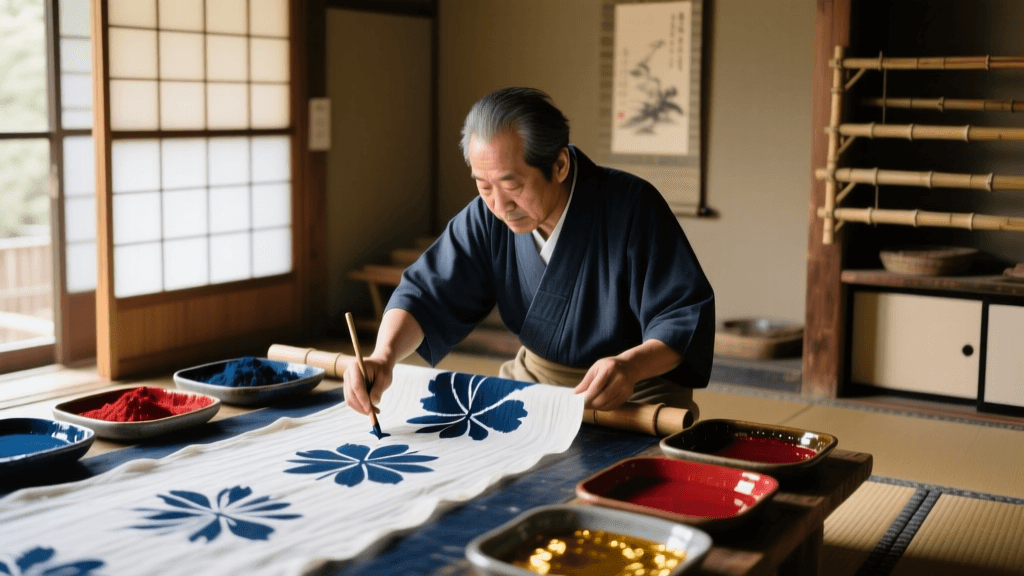
When discussing the pinnacle of Japanese traditional garments, the kimono immediately comes to mind. Yet, the true magic of the kimono lies not just in its silhouette, but in the breathtaking textile artistry that adorns it. Among the most revered of these techniques is Kyo-Yuzen, a resist-dyeing method originating in Kyoto that allows artisans to paint intricate, multi-colored designs directly onto silk, much like a painter working on a canvas. For textile enthusiasts, fashion historians, and travelers seeking authentic cultural immersion, participating in a Kyo-Yuzen artisan workshop in Kyoto offers an unparalleled window into Japan's sartorial heritage.
Developed in the late 17th century by Miyazaki Yuzensai, a fan painter from Kyoto, the technique revolutionized Japanese fashion. Prior to Yuzen, complex patterns were achieved through laborious embroidery or tie-dyeing (shibori). Yuzensai's method allowed for free-flowing, pictorial designs that bypassed the sumptuary laws of the Edo period, which restricted the lower classes from wearing overtly luxurious fabrics. Today, Kyo-Yuzen is celebrated for its vibrant colors, extensive use of gold and silver leaf, and highly stylized motifs, distinguishing it from the more naturalistic, shaded aesthetic of Kanazawa's Kaga-Yuzen. According to Wikipedia's comprehensive guide to Yūzen dyeing, the technique remains a cornerstone of formal kimono production, particularly for furisode (long-sleeved kimono for unmarried women) and high-end obis.
The Anatomy of a Masterpiece: The Step-by-Step Yuzen Process
To truly appreciate the value of a hand-painted kimono, one must understand the painstaking, multi-step process required to create it. During a comprehensive artisan workshop, visitors often observe or participate in the following stages:
- Shita-egaki (Under-drawing): The artisan sketches the design onto the white silk using aobana ink, an extract from the dayflower. This ink is highly water-soluble and completely washes away later, leaving no trace.
- Itome-nori (Resist Paste Application): Using a specialized metal-tipped cone, the artisan traces the under-drawing with a thick, waterproof rice-bran paste. This paste acts as a dam, preventing the dyes from bleeding into adjacent areas when color is applied.
- Irosashi (Coloring): Using fine brushes, the artisan paints the designated areas with liquid dyes. Kyo-Yuzen is famous for its bold, contrasting color palettes and meticulous gradient shading (bokashi).
- Mushi (Steaming): Once painted, the fabric is steamed at high temperatures (around 100°C) for 30 to 40 minutes. This crucial step opens the silk fibers and permanently sets the dyes.
- Yuzen-nagashi (Washing): Historically, the fabric was washed in the flowing waters of Kyoto's Kamo River to remove the resist paste and excess dye. While modern environmental regulations have moved this process to specialized indoor waterways and groundwater systems, the visual of silk ribbons flowing in the river remains an iconic symbol of Kyoto's artisan districts.
Experiencing the Craft: Top Kyoto Artisan Workshops
Kyoto offers a variety of taiken (hands-on experiences) catering to different skill levels, time constraints, and budgets. While creating a full kimono bolt takes months, workshops allow visitors to apply Yuzen techniques to smaller items like handkerchiefs, tote bags, furoshiki (wrapping cloths), or even pre-drawn kimono panels. The Japan National Tourism Organization's Kyoto destination guide frequently highlights these workshops as essential cultural activities for international visitors.
Workshop Comparison Chart
| Workshop / Studio Type | Experience Focus | Duration | Approx. Cost (JPY) | Best For |
|---|---|---|---|---|
| Heritage Yuzen Houses (e.g., Marumasu-Nishimuraya) | Full traditional process including itome-nori and brush dyeing on silk. | 2 to 3 hours | 5,500 - 15,000 | Textile students, serious enthusiasts, and luxury travelers. |
| Modern Craft Studios (e.g., Chiso Gallery workshops) | Advanced silk painting, color theory, and historical motif analysis. | 2 to 2.5 hours | 8,000 - 20,000 | Fashion designers, artists, and returning visitors. |
| Cultural Centers & Machiya Houses | Stencil Yuzen (Kata-Yuzen) or simplified brush dyeing on cotton items. | 1 to 1.5 hours | 2,500 - 4,500 | Families, beginners, and tourists on a tight schedule. |
Practical Guide: Booking, Costs, and Workshop Etiquette
Planning a visit to a traditional artisan workshop requires some logistical foresight. Here is actionable advice to ensure a seamless experience:
- Booking Lead Time: Authentic Yuzen workshops, especially those hosted by working ateliers with English-speaking guides, are small and intimate. You must book at least 3 to 4 weeks in advance, particularly during peak tourist seasons (spring cherry blossoms and autumn foliage).
- Attire and Preparation: Wear dark, comfortable clothing that you do not mind getting stained. While the resist paste protects the silk, liquid dyes can easily splatter. Tie back long hair and avoid wearing dangling jewelry that could catch on the delicate silk frames (hari).
- Language Barriers: Many historic ateliers are run by multi-generational families who may not speak fluent English. Look for workshops that explicitly advertise English pamphlets, video tutorials, or bilingual staff. Alternatively, hire a local cultural translator for the afternoon.
- Shipping Your Masterpiece: Because the dyed items must be steamed, washed, and dried, you cannot take your finished piece home on the same day. Workshops will ship your item via EMS (Express Mail Service) to your home country. Expect to pay an additional 2,000 to 4,000 JPY for international shipping, and allow 2 to 3 weeks for delivery.
Beyond the Workshop: Sourcing Authentic Yuzen Textiles
For those inspired to acquire authentic Kyo-Yuzen garments, understanding traditional fabric measurements is crucial. Kimono fabric is sold in a tanmono (bolt). A standard women's tanmono measures approximately 38 centimeters (15 inches) in width and 12 to 13 meters in length. This specific width dictates the unique, straight-line cutting and sewing method of the kimono, ensuring that almost zero fabric is wasted and the garment can be entirely unpicked, re-dyed, and resewn by future generations.
When shopping in Kyoto's Nishijin or Gion districts, be prepared for the investment. A fully hand-painted, artisan-crafted Kyo-Yuzen kimono bolt can range from 300,000 JPY to over 2,000,000 JPY ($2,000 to $13,000+ USD), depending on the complexity of the design, the use of precious metals, and the artisan's pedigree. For a more accessible entry point, look for Kata-Yuzen (stencil-dyed) yukata fabrics or vintage Yuzen haori jackets in local antique markets like To-ji Temple's monthly Kobo-san flea market.
Preserving the Future of Japanese Artisan Crafts
Despite its beauty, the Kyo-Yuzen industry faces severe challenges. The aging population of Japan has led to a critical shortage of successors. The title of Dentou Kougeishi (Traditional Craftsman), certified by the Ministry of Economy, Trade and Industry (METI), requires a minimum of 12 years of rigorous apprenticeship. Today, fewer young people are willing to commit to this grueling path. The Victoria and Albert Museum's Kimono: Kyoto to Catwalk exhibition beautifully highlighted both the historical majesty and the precarious future of these textile traditions, emphasizing the need for global appreciation and support.
By participating in workshops, purchasing directly from artisan cooperatives, and educating others on the immense labor behind these textiles, international enthusiasts play a vital role in sustaining Kyo-Yuzen. The survival of this craft relies not just on domestic preservation efforts, but on a global community that values slow fashion, heritage craftsmanship, and the profound artistic legacy woven into every thread of the Japanese kimono.