Haori and Hakama: Styling Japanese Heritage in Modern Streetwear
The Neo-Trad Movement: Heritage Meets the Streets
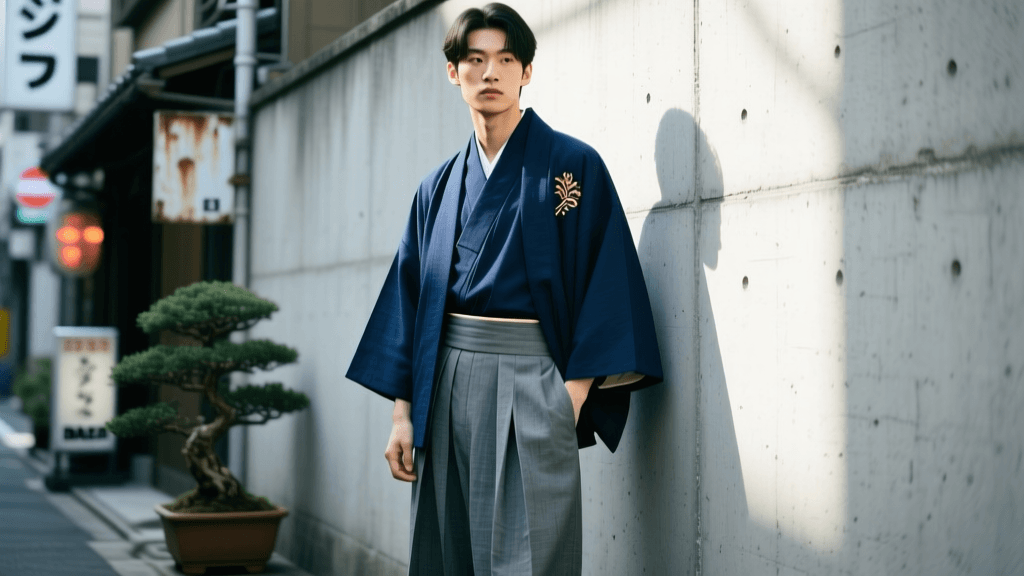
The intersection of traditional Japanese clothing and contemporary urban fashion has given rise to one of the most compelling aesthetics in modern streetwear: the Neo-Trad movement. In the neon-lit alleys of Harajuku and the minimalist concrete plazas of Daikanyama, young fashion enthusiasts are actively dismantling the rigid rules of historical dress. By integrating the haori (a traditional hip- or thigh-length jacket) and the hakama (pleated, wide-leg trousers) into everyday streetwear, they are creating a silhouette that honors centuries of craftsmanship while embracing the functionality and edge of modern urban life.
According to The Metropolitan Museum of Art, the layering of garments like the haori over the foundational kimono was historically used to denote status, formality, and seasonal awareness. Today, that same layering principle is being repurposed to add volume, texture, and dramatic movement to streetwear outfits. This guide will break down how to source, measure, and style these historic garments for the modern concrete jungle.
Understanding the Garments: Anatomy and Evolution
The Haori (羽織)
Originally popularized during the Edo period as a protective outer layer worn by firefighters and samurai, the haori is characterized by its open front, lack of overlapping closures (it is typically tied with a small braided cord called a haori himo), and wide, flowing sleeves. While vintage haori are crafted from intricate silk jacquards and feature hand-painted linings, modern streetwear adaptations often utilize heavy cotton, denim, and technical nylon.
The Hakama (袴)
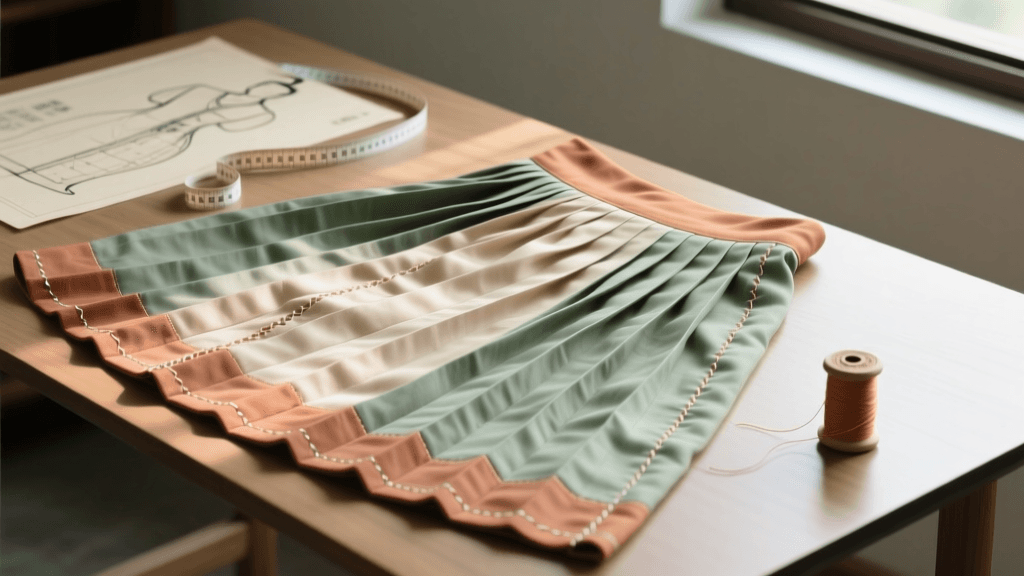
The hakama is a striking lower-body garment defined by its deep pleats and wide stance. Traditional formal hakama feature exactly seven pleats—five in the front and two in the back—which are said to represent the seven virtues of the samurai (Bushido). As noted by the Victoria and Albert Museum, the structural complexity of these pleats requires specialized weaving and pressing techniques that have been preserved for generations. In streetwear, the hakama’s dramatic drape provides a powerful alternative to standard wide-leg denim or cargo pants.
Actionable Styling Guide: Blending Heritage with Streetwear
Styling traditional garments for daily urban wear requires balancing proportion, fabric weight, and footwear. Here are three actionable frameworks for integrating haori and hakama into a modern wardrobe.
Look 1: The Techwear Hakama
Techwear relies on utility, waterproof materials, and articulated silhouettes. A modern cotton or nylon-blend hakama fits perfectly into this aesthetic.
- The Base: A black, moisture-wicking compression turtleneck.
- The Trousers: Black cotton-drill hakama with a modernized, lower-rise waistband. Ensure the hem falls just above the ankle bone to prevent fraying.
- The Outerwear: A cropped, waterproof Gore-Tex shell jacket to contrast the flowing volume of the hakama with a structured, technical upper half.
- Footwear: Chunky, aggressive trail sneakers like the Salomon XT-6 or Hoka One One Tor Ultra. The rugged sole grounds the delicate pleats of the hakama.
Look 2: The Vintage Haori Layering Technique
Vintage silk haori offer unparalleled patterns, but silk can look overly formal or costumey if not grounded by heavy, casual textures.
- The Base: A heavyweight, 400gsm cotton hoodie in a muted earth tone (olive, charcoal, or ochre). The stiff drape of heavyweight cotton contrasts beautifully with fluid vintage silk.
- The Outerwear: A vintage silk haori worn completely open. Allow the hoodie strings and front pocket to remain visible, breaking up the traditional silhouette.
- The Trousers: Baggy, washed denim jeans with a slight flare or straight cut.
- Footwear: Maison Margiela Replica sneakers or classic Converse Chuck 70s to maintain a relaxed, skate-adjacent vibe.
Look 3: Genderless Kei and Flowing Silhouettes
The Japanese "Genderless Kei" fashion movement embraces fluid, non-binary silhouettes. The hakama is inherently gender-neutral in its historical origins, having been worn by both male courtiers and female warriors.
- The Outfit: Pair an oversized, striped linen hakama with a draped, asymmetrical tunic.
- Accessories: Layer multiple silver rings and utilize a modern, minimalist leather shoulder bag worn crossbody to cinch the waist slightly and provide structure to the voluminous fabrics.
Sourcing and Costs: Where to Buy Neo-Trad Pieces
Acquiring authentic and high-quality pieces requires knowing where to look. The Japan National Tourism Organization frequently highlights regions like Kyoto and Kanazawa for traditional textile shopping, but for streetwear adaptations, a mix of vintage and contemporary brands is required.
| Sourcing Channel | Average Cost (USD) | Material | Best For |
|---|---|---|---|
| Shimokitazawa / Koenji Vintage Shops | $45 - $120 | Vintage Silk, Wool | Authentic patterns, unique linings, layering |
| Neo-Trad Brands (e.g., Kapital, Sasquatchfabrix) | $350 - $800 | Sashiko Cotton, Denim | Streetwear durability, daily wear, modern cuts |
| Online Kimono Recyclers (e.g., Yamatoku, Ichiroya) | $20 - $60 | Mixed Synthetics, Silk | Budget styling, upcycling, DIY streetwear |
| Contemporary Hakama Specialists | $150 - $300 | Cotton-Poly Blends | Easy care, modern waistbands, techwear looks |
Essential Measurement Guide for Vintage Haori
Unlike Western jackets, haori are not sized by Small, Medium, or Large. They are measured using specific traditional metrics. When shopping online or in vintage bins, bring a measuring tape and look for these dimensions to ensure a modern, oversized streetwear fit:
- Yuki (裄): The sleeve length measured from the center back of the neck, across the shoulder, and down to the wrist. For a modern oversized look, look for a Yuki of at least 75cm to 80cm.
- Katahaba (肩幅): The shoulder width from seam to seam. A true drop-shoulder streetwear fit requires a Katahaba of 60cm or more.
- Sode (袖丈): The vertical depth of the sleeve opening. Haori sleeves are traditionally very deep (often 40cm+), creating a pouch-like interior that drapes dramatically when the arms are in motion.
- Mitake (身丈): The total back length from the base of the collar to the hem. For streetwear layering over hoodies, a Mitake between 85cm and 100cm provides the ideal mid-thigh coverage.
Care and Maintenance for Urban Environments
Wearing heritage garments in modern cities exposes them to pollution, rain, and transit grime. Proper care is essential to preserve the textiles.
"The philosophy of wabi-sabi embraces the beauty of imperfection and the natural aging of materials. A faded silk haori or a frayed denim hakama tells a story of urban survival, but structural integrity must still be maintained."
- Cleaning: Never machine-wash vintage silk haori. The inner linings often feature intricate hand-painted scenes that will bleed or warp in water. Rely on specialized dry cleaners who understand traditional Japanese garments. For modern cotton or denim hakama, wash cold on a delicate cycle inside a mesh garment bag to protect the pleats.
- Pressing Hakama Pleats: The sharp lines of the hakama are its defining feature. After washing a cotton hakama, use a wooden clapper (a traditional tailoring tool) while steam ironing to press the pleats flat and set the crease without scorching the fabric.
- Storage: Store silk haori flat, folded along their natural seam lines with acid-free tissue paper between the folds. Hanging heavy silk garments on standard wire hangers will distort the shoulder seams and stretch the delicate neckline.
Conclusion
The integration of haori and hakama into modern streetwear is not merely a trend; it is a cultural dialogue. By respecting the historical construction of these garments while fearlessly pairing them with chunky sneakers, technical shells, and heavyweight cottons, a new generation of fashion enthusiasts is ensuring that Japanese textile heritage remains a living, breathing part of global street culture. Whether you are sourcing a $30 vintage silk jacket from an online recycler or investing in an $800 sashiko-stitched piece from a contemporary Neo-Trad brand, the key lies in understanding the garment's anatomy and styling it with intentional, modern contrast.