Building a Modern Hanfu Capsule Wardrobe: Essentials & Styling
The Shift from Costume to Capsule Wardrobe
Over the past decade, the Hanfu movement has evolved from a niche historical reenactment hobby into a vibrant, everyday fashion subculture. While early adopters often focused on elaborate, ceremonial garments suited for photography and festivals, the contemporary wearer is increasingly prioritizing versatility, comfort, and daily integration. Building a Hanfu capsule wardrobe—a curated collection of interchangeable, historically inspired pieces—allows enthusiasts to honor traditional Chinese dress while navigating the practicalities of modern life.
A well-constructed capsule collection relies on flat-pattern cutting, adjustable tie-fastenings, and layered silhouettes that transcend seasonal trends. By focusing on foundational garments from the Song and Ming dynasties, wearers can mix and match traditional pieces with contemporary basics, creating a sustainable and deeply personal wardrobe.
Core Essentials: The Foundation of Your Collection
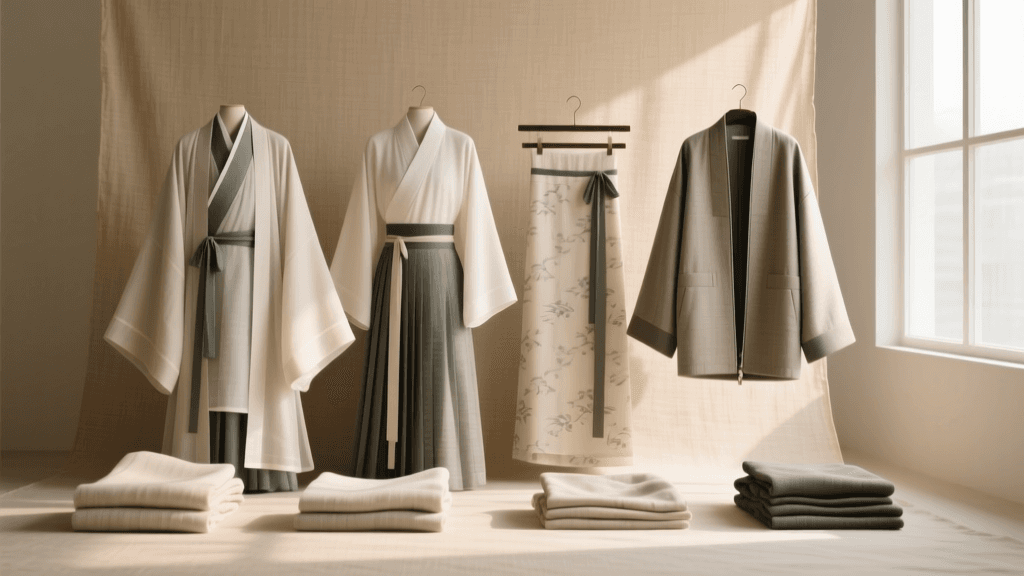
To build a functional Hanfu capsule, you must start with versatile base layers and outerwear that mimic the utility of modern staples like cardigans, blouses, and midi skirts. Here are the three indispensable pieces every modern Hanfu wardrobe requires.
1. The Jiaoling Youren (Cross-Collar Top)
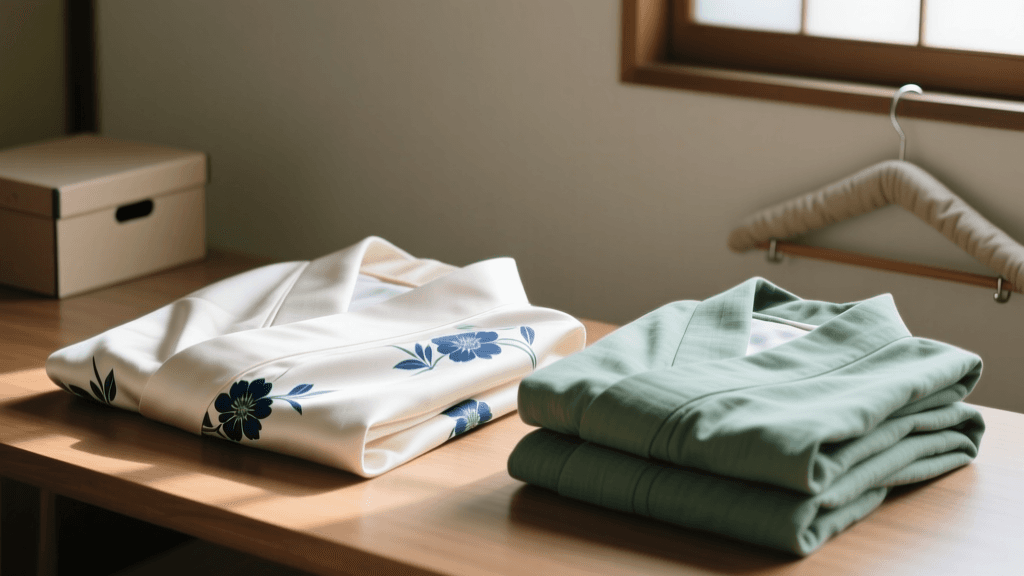
The Jiaoling Youren is the quintessential base layer of Hanfu, characterized by its crossed collar and right-over-left closure. This right-over-left rule is a cornerstone of traditional Chinese sartorial etiquette, historically distinguishing the living from the deceased. For a capsule wardrobe, opt for a narrow-sleeved or straight-sleeved version in solid, neutral tones like ivory, slate, or muted jade. These tops function similarly to modern button-down blouses and can be tucked into high-waisted skirts or worn under sleeveless vests. Expect to invest between $25 and $45 for a high-quality cotton or linen blend piece that breathes well in summer and layers comfortably in winter.
2. The Song Dynasty Beizi
If there is one garment that bridges the gap between historical accuracy and modern utility, it is the Song Dynasty Beizi. This straight-cut, open-front outerwear piece features side slits that extend from the waist to the hem, allowing for ease of movement. The Beizi acts as the Hanfu equivalent of a longline duster or an unstructured blazer. For everyday wear, a knee-length Beizi with narrow sleeves is ideal. It can be thrown over a modern turtleneck and jeans, or paired with a traditional pleated skirt. Because it relies on a simple tie or brooch at the collar rather than complex closures, it is incredibly user-friendly. Prices typically range from $40 to $80, depending on the embroidery and fabric weight.
3. The Mamianqun (Horse-Face Skirt)
The Ming Dynasty Mamianqun has experienced a massive resurgence, becoming a staple in both traditional and mainstream Chinese fashion. Characterized by its flat front and back panels flanked by intricate side pleats, the Mamianqun is a masterclass in structural tailoring. For a capsule wardrobe, choose a solid-colored or subtly patterned skirt in a durable polyester-crepe or wool-blend fabric. The flat panels provide a sleek, elongating silhouette that pairs beautifully with modern knitwear, tucked-in blouses, or traditional Ao jackets. A high-quality, everyday Mamianqun will cost between $50 and $120. The foundation of many premium Hanfu pieces relies on centuries-old techniques, such as those recognized by UNESCO’s Intangible Cultural Heritage list for Chinese sericulture and silk craftsmanship, which elevates the luxurious brocade versions of this skirt into wearable art.
Sizing, Fit, and the Flat-Pattern Philosophy
Transitioning to a Hanfu wardrobe requires a paradigm shift in how you think about sizing and fit. Unlike Western tailoring, which relies on darts, curved seams, and zippers to contour the garment to the body's three-dimensional shape, traditional Chinese garment construction utilizes flat-pattern cutting. The fabric is cut in straight lines and draped over the body, with the fit adjusted entirely through overlapping panels and fabric ties.
This means that Hanfu is inherently size-inclusive and highly adjustable. Instead of looking for exact bust or waist measurements, buyers should focus on two critical metrics: shoulder and sleeve length, and skirt length. For daily commuting and urban environments, a skirt length of 95cm to 100cm (falling at the mid-calf or ankle) is highly recommended to prevent the hem from dragging on wet pavement or subway stairs. For sleeve length, narrow sleeves (typically 15-20cm in circumference at the cuff) are essential for typing, cooking, and navigating crowded spaces, reserving the dramatic wide sleeves for formal events and photography.
For those looking to study historical silhouettes and authentic textile patterns to inform their modern purchases, The Metropolitan Museum of Art’s Asian Art collection offers invaluable visual references for Ming and Song dynasty garments, showcasing the drape and proportion of authentic flat-pattern tailoring.
Seasonal Capsule Breakdown
A true capsule wardrobe must adapt to the changing seasons. Below is a strategic breakdown of how to configure your Hanfu collection for year-round wearability, balancing historical aesthetics with modern thermal comfort.
| Season | Core Garment Combination | Fabric Recommendation | Skirt Length | Est. Cost (USD) |
|---|---|---|---|---|
| Spring / Summer | Song Beizi + Qixiong Skirt | Ramie, Cotton-Linen, Chiffon | 95cm - 100cm | $45 - $85 |
| Autumn / Winter | Ming Ao Jacket + Mamianqun | Wool Blends, Heavy Brocade, Velvet | 100cm - 105cm | $90 - $160 |
| Transitional | Jiaoling Top + Bixia Apron | Silk-Cotton Blends, Tencel | 80cm - 90cm | $50 - $95 |
By investing in these specific seasonal combinations, you ensure that your wardrobe remains functional regardless of the weather, while maintaining a cohesive aesthetic thread.
Modern Integration and Styling Rules
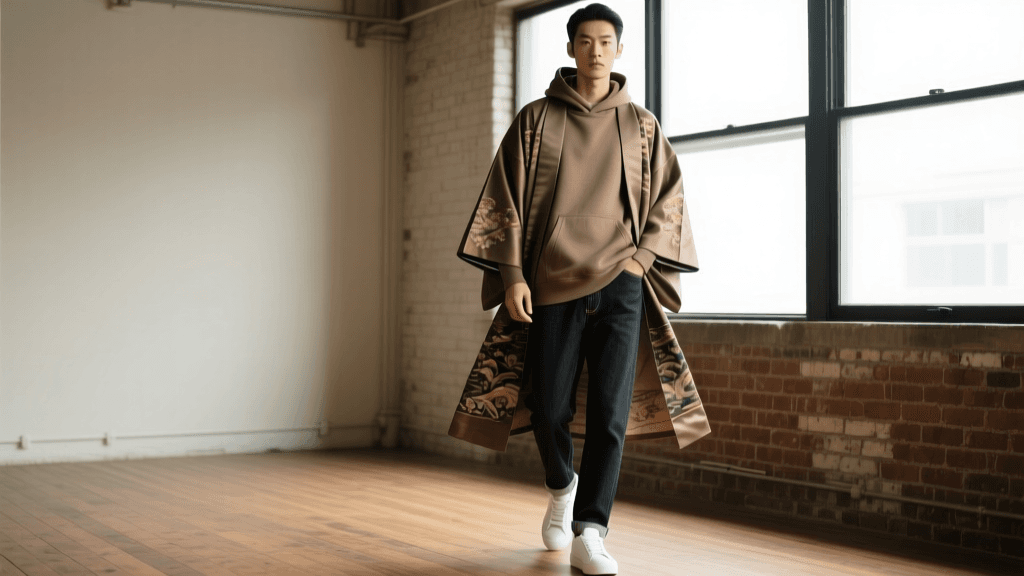
The secret to pulling off Hanfu in a contemporary setting lies in the art of juxtaposition. You do not need to wear a full, head-to-toe historical ensemble to participate in the culture. In fact, the most stylish modern Hanfu outfits often blend traditional garments with contemporary accessories.
- Footwear: While embroidered cloth shoes are traditional, they lack the arch support needed for modern city walking. Pair your Mamianqun with sleek Chelsea boots, minimalist white sneakers, or Mary Janes. The structured pleats of the skirt balance the chunkiness of modern footwear beautifully.
- Tops and Layering: In colder months, swap the traditional inner top for a fitted, ribbed turtleneck. The high neck of the turtleneck mimics the standing collars of late Ming garments while providing modern warmth.
- Accessories: Ditch the elaborate, heavy metal hair crowns for daily wear. Opt for minimalist jade hairpins, simple silk scrunchies, or modern leather handbags instead of traditional embroidered pouches.
The ongoing revival of these garments is deeply tied to national heritage efforts, frequently documented in the China Daily’s Culture and Heritage archives, which track the integration of traditional dress into modern Chinese identity and the booming market for everyday Hanfu apparel.
Budgeting for Your First 5-Piece Capsule
Building a Hanfu wardrobe does not require a couture budget, but it does require an understanding of where to allocate your funds. Avoid ultra-cheap, mass-produced costume shops that use flimsy polyester and historically inaccurate prints. Instead, look for established brands or specialized international retailers that focus on daily-wear Hanfu.
Here is a realistic budget for a starter 5-piece capsule:
- Two Jiaoling Base Tops ($50 total): One in white or ivory, one in a dark neutral. These are your workhorses.
- One Everyday Mamianqun ($60): A dark, solid color with subtle woven patterns that hides stains and pairs with everything.
- One Song Dynasty Beizi ($45): A lightweight, neutral outer layer for spring and summer air-conditioned environments.
- One Lined Ming Ao ($75): A thicker, insulated jacket for autumn and winter layering.
Total estimated investment: $230. This curated collection provides enough mix-and-match potential to create over a dozen distinct outfits, proving that traditional Asian fashion can be as practical, sustainable, and versatile as any modern minimalist wardrobe.