Essential Kimono Care: Cleaning, Storage & Maintenance Tips
The Art of Kimono Maintenance
Owning a traditional Japanese kimono is an investment in both cultural heritage and exquisite craftsmanship. Whether you possess a vibrant silk furisode, a subdued wool komon, or a casual cotton yukata, proper care is essential to ensure these garments survive for generations. Unlike modern Western clothing, kimonos are not designed to be tossed into a washing machine or hung on standard wire hangers. The intricate dyeing techniques, delicate silk weaves, and specialized tailoring require a meticulous approach to cleaning, folding, and storage. According to the Japan National Tourism Organization, the kimono remains a profound symbol of Japanese aesthetics, and preserving its physical integrity is a way of honoring the artisans who created it. This comprehensive guide will walk you through the practical, actionable steps required to maintain your kimono collection, preventing common issues like mold, fabric yellowing, and permanent creasing.
Understanding Your Kimono's Fabric
Before applying any cleaning or storage methods, you must identify the fabric of your kimono. Different textiles react differently to moisture, light, and chemical cleaners. Silk is the most common and delicate material used in formal kimonos, requiring professional care and strict humidity control. Cotton, primarily used for yukata, is more forgiving but prone to shrinking and color bleeding. Wool and polyester offer durability but still demand specific folding techniques to maintain their structural drape. Below is a comparison chart to help you identify the baseline care requirements for the most common kimono fabrics.
| Fabric Type | Common Garments | Washing Method | Storage Needs |
|---|---|---|---|
| Silk (Chirimen, Rinzu) | Furisode, Houmongi, Tomesode | Dry clean only (Maru-arai) | Paulownia box, acid-free paper, camphor |
| Cotton | Yukata, Nemaki | Hand wash or gentle machine cycle | Folded in breathable cotton or paper |
| Wool | Komon, Haori | Spot clean or specialized dry clean | Paulownia box, heavy mothball protection |
| Polyester | Modern washable kimonos | Machine washable (cold, gentle) | Standard drawer or breathable plastic bin |
The Traditional Airing Process: Mushiboshi
One of the most vital practices in kimono care is mushiboshi, which translates to 'insect airing.' Because kimonos are folded and stored in dark drawers for long periods, they are susceptible to trapped moisture, mold, and insect damage. Mushiboshi involves taking your kimonos out of storage and airing them in a well-ventilated, shaded area to release accumulated humidity and inspect the fabric for early signs of damage.
When and How to Perform Mushiboshi
Traditionally, mushiboshi is performed twice a year: once in late autumn (October to November) when the air becomes crisp and dry, and once in late winter (February to March) before the humid spring arrives. Never air your kimonos in direct sunlight, as UV rays will rapidly degrade silk fibers and cause vibrant dyes to fade. Instead, choose a dry, breezy day with low humidity (ideally below 50%). Drape the kimono over a specialized kimono hanger (emonkake) or a clean, padded clothesline in a shaded room or covered porch. Let the garment breathe for three to four hours. This is also the perfect time to carefully inspect the lining, the hem, and the collar for any hidden stains or pest activity.
Cleaning Methods: Spot Cleaning vs. Professional Care
When it comes to cleaning, the golden rule for silk kimonos is to avoid water. Water can cause silk threads to shrink, pucker, or lose their luster, and it can cause dyes to run, ruining the intricate patterns. For minor, localized stains on silk, professional spot cleaning is recommended. If you must address a fresh spill at home, gently blot (never rub) the area with a clean, dry, absorbent cloth. For oil-based stains, some traditional practitioners use a small amount of volatile solvent like benzine applied to a cotton swab, but this carries a high risk of spreading the stain or damaging the dye.
Maru-arai: The Professional Solution
For overall soil, odors, or sweat accumulation, the kimono must undergo maru-arai, a specialized Japanese dry-cleaning process. Unlike Western dry cleaning, which uses harsh chemicals and tumbling machines that can destroy the kimono's delicate basting stitches, maru-arai involves carefully disassembling the kimono at the seams, washing the flat panels in specialized solvents, stretching the fabric to remove wrinkles, and then meticulously re-sewing it by hand. The Victoria and Albert Museum emphasizes that historic and delicate textiles require specialized conservation cleaning methods to prevent structural degradation. Always seek out a cleaner who explicitly advertises maru-arai services and understands Japanese garment construction.
Washing Cotton Yukata
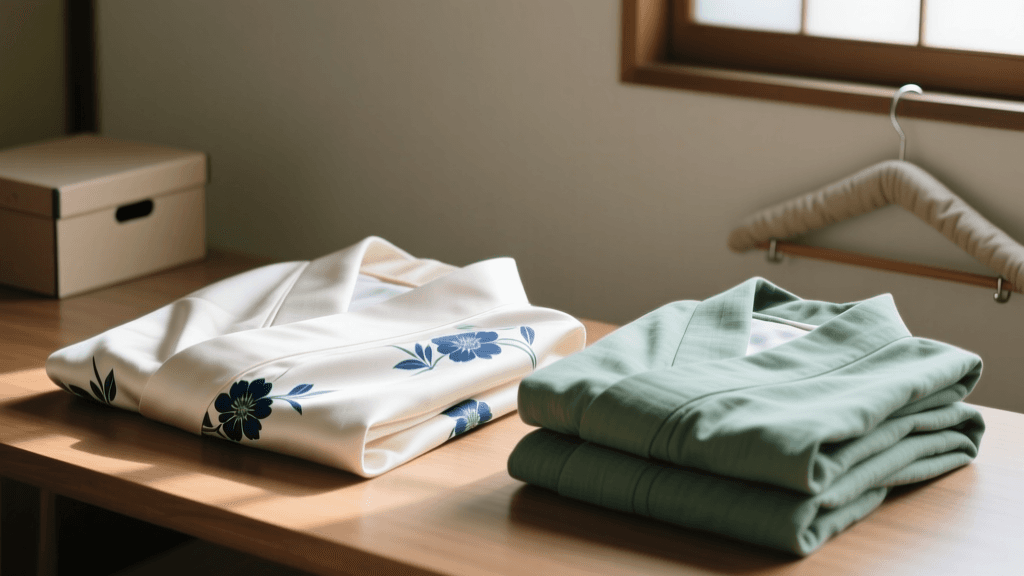
Cotton yukata are much easier to maintain. You can hand wash them in cold water using a mild, neutral-pH detergent. Gently swish the fabric, rinse thoroughly, and avoid wringing it out, which can distort the weave. Instead, roll the yukata in a clean towel to press out excess water, then hang it to dry in the shade. Ironing should be done while the fabric is slightly damp, using a pressing cloth to protect the dye.
The Art of Folding: Hon-Datami
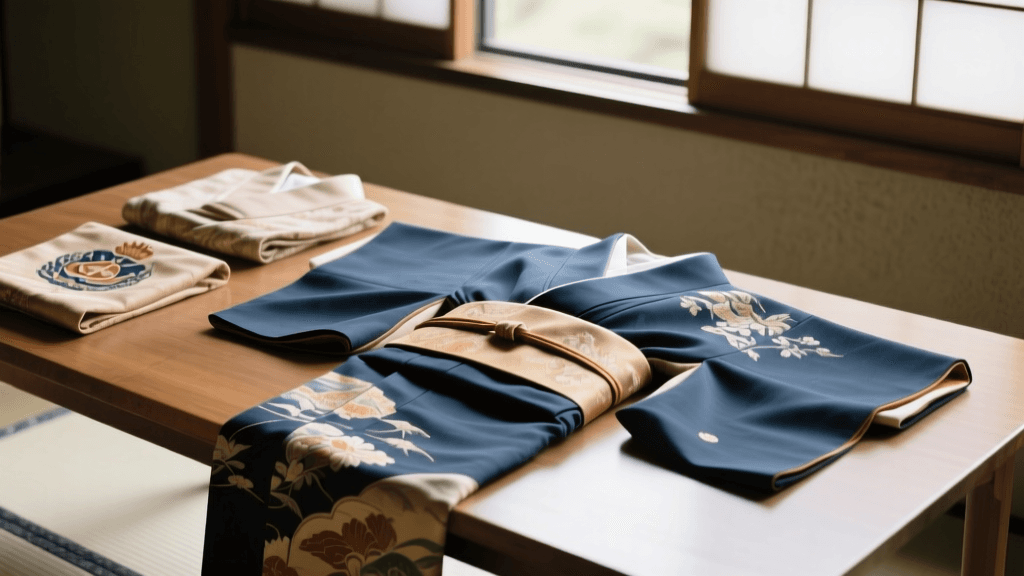
Hanging a kimono on a standard Western hanger for long-term storage will ruin the shoulders, stretch the delicate silk, and distort the garment's rectangular geometry. Kimonos are designed to be folded flat using a specific method called hon-datami. This folding technique aligns the seams perfectly, preventing unnecessary stress on the fabric and ensuring the kimono retains its shape.
Step-by-Step Hon-Datami Folding
- Preparation: Lay the kimono face down on a clean, flat surface. Ensure your hands are clean and dry.
- The Collar and Shoulders: Fold the left side of the collar inward toward the center back seam. Then, fold the right side over it, aligning the edges neatly.
- The Sleeves: Fold the sleeves back over the body of the kimono. The edges of the sleeves should align with the outer edges of the garment's body.
- The Body: Fold the left side of the kimono's body toward the center back seam. Then, fold the right side over the left, creating a long, narrow rectangle.
- The Length: Finally, fold the bottom hem up toward the collar. Depending on the length of the kimono, you may need to fold it in thirds rather than halves to fit standard storage dimensions.
Once folded, the kimono should be wrapped in tatoushi, a specialized acid-free paper designed to protect the silk from dust, light, and acidic off-gassing. Standard tatoushi measures approximately 85cm by 100cm. Never use newspaper or standard tissue paper, as the high acid content and ink will permanently stain and degrade the silk over time.
Proper Storage Solutions
The environment in which you store your folded kimonos is just as critical as the folding process itself. The traditional and highly recommended storage vessel is a tansu (chest of drawers) made from Paulownia wood, known in Japan as kiri. Paulownia wood is uniquely suited for textile preservation because it is naturally hygroscopic; it absorbs excess moisture from the air during humid seasons and releases it during dry periods, creating a stable microclimate inside the drawers. Furthermore, Paulownia is naturally resistant to insects and fire.
The Dangers of Plastic Storage
Many people mistakenly store their kimonos in plastic bins to protect them from dust and pests. However, the Metropolitan Museum of Art's textile conservation guidelines warn against the use of non-archival plastics for long-term textile storage. Plastic bins trap moisture, creating a breeding ground for mold and mildew. Additionally, many plastics emit volatile organic compounds (VOCs) as they degrade, which can cause silk fibers to become brittle and yellow over time. If you must use a plastic bin due to space constraints, ensure the kimono is wrapped in acid-free paper, place silica gel desiccant packets inside (making sure they do not touch the fabric directly), and leave the lid slightly ajar to allow for air circulation.
Pest Control: Camphor and Cedar
Silk and wool are highly attractive to clothes moths and carpet beetles. To deter these pests, traditional Japanese storage utilizes shounou (natural camphor) or cedar blocks. Place small pieces of camphor or cedar in the corners of the drawer or the folds of the tatoushi paper. Be careful not to let the camphor touch the silk directly, as the concentrated oils can cause localized staining or chemical burns on the fabric. Avoid modern synthetic mothballs containing naphthalene or paradichlorobenzene, as their harsh chemical fumes can permanently taint the silk with an unbearable odor and degrade the fibers.
Troubleshooting Common Issues
Even with meticulous care, kimonos can develop issues over time. Knowing how to identify and address these problems early can save a garment from permanent ruin.
Mold and Mildew
If you discover small white or green spots of mold on your kimono, do not attempt to wash it with water, which will only exacerbate the fungal growth. Take the garment outside and gently brush the dry spores away with a soft, clean brush. Afterward, the kimono must be sent to a professional maru-arai specialist who can treat the fabric with specialized anti-fungal solvents and safely remove any residual staining.
Yellowing and Oxidation
Yellowing often occurs around the collar, underarms, and hem due to the oxidation of sweat, body oils, and cosmetic residues that were not properly cleaned before storage. Once silk has oxidized and turned yellow, it is incredibly difficult to reverse without damaging the dye. Prevention is the only true cure; always ensure the collar and hem are professionally spot-cleaned before putting the kimono away for the season. Some specialized cleaners offer shiminuki (stain removal) and iro-nashi (color restoration) services, but these are expensive and carry inherent risks to the fabric.
Deep Creases
If a kimono has been stored improperly and developed deep, stubborn creases, do not use a standard hot iron directly on the silk. Instead, hang the kimono in a bathroom while you take a hot shower, allowing the ambient steam to gently relax the fibers. For persistent creases, use a specialized kimono iron (hiki-gote) or a standard iron set to the lowest silk setting, always using a thick cotton pressing cloth between the iron and the garment.
Conclusion
Caring for a traditional Japanese kimono is a practice of patience, respect, and attention to detail. By understanding the specific needs of your garment's fabric, adhering to the traditional hon-datami folding method, and utilizing proper Paulownia wood storage, you can protect your investment from the ravages of time, moisture, and pests. Whether you are preserving a family heirloom or maintaining a collection of vintage silk garments, these meticulous care routines ensure that the vibrant colors and elegant drapes of the kimono will continue to be appreciated by future generations.