Discover Nishijin-Ori: Kyoto's Traditional Kimono Weaving Craft
Introduction to Nishijin-Ori: The Pinnacle of Japanese Textiles
Kyoto is globally revered as the cultural heart of Japan, and nowhere is this more evident than in its traditional textile arts. Among these, Nishijin-ori (Nishijin weaving) stands as the undisputed pinnacle of kimono fabric craftsmanship. Recognized as a Traditional Craft Product by the Japanese government, Nishijin-ori is not merely a fabric; it is a complex, multi-generational art form that transforms raw silk into breathtaking, three-dimensional brocades. For enthusiasts of Asian traditions and kimono collectors, understanding the artisan workshops of Kyoto's Nishijin district is essential to appreciating the true value and heritage of Japanese formal wear.
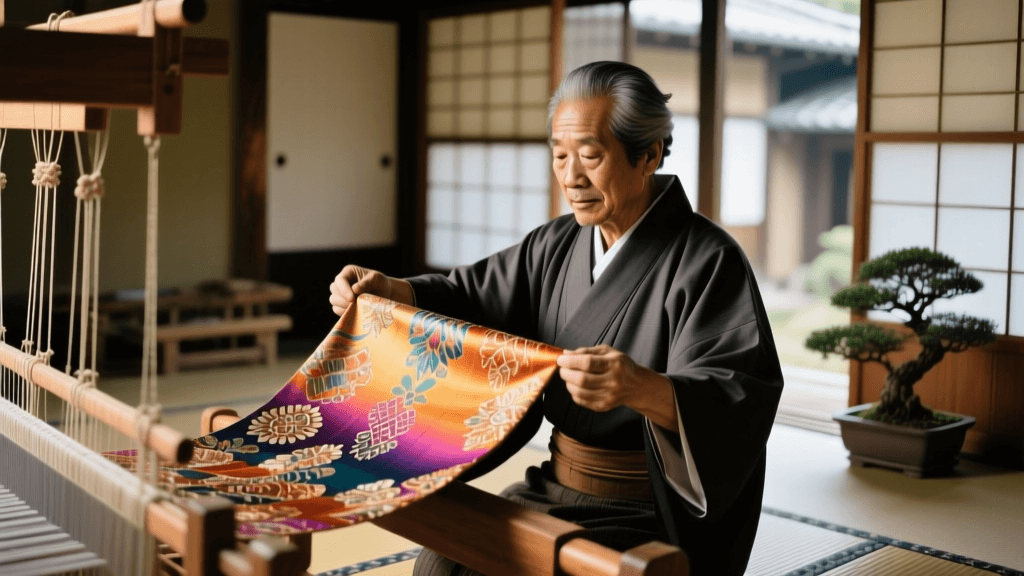
The origins of Nishijin weaving trace back over 1,200 years, but the craft truly crystallized during the aftermath of the Onin War (1467–1477). When displaced weavers returned to the Nishijin ("Western Camp") area of Kyoto, they brought with them advanced weaving techniques from the Ming Dynasty. Today, the district remains a labyrinth of narrow streets where the rhythmic bata-bata clacking of wooden and modern Jacquard looms echoes from centuries-old machiya (traditional wooden townhouses).
The Artisan Workshop Experience in Kyoto
Unlike many mass-produced textiles, authentic Nishijin-ori is characterized by an extreme division of labor. The creation of a single kimono or obi (sash) involves over twenty highly specialized artisan steps, from the initial design and yarn dyeing to the meticulous warping and final weaving. Visiting these workshops offers a rare glimpse into a world where patience and precision are paramount.
Top Workshops and Tours for Visitors
If you are planning a trip to Kyoto to explore these traditional crafts, here are the most accessible and informative workshops to visit:
- Nishijin Textile Center: This is the premier hub for understanding the craft. According to the Nishijin Textile Center, visitors can watch daily kimono fashion shows, observe artisans operating traditional handlooms, and even try their hand at weaving a small coaster. Cost: Free general admission; hands-on weaving experiences range from 1,500 to 3,000 JPY ($10–$20 USD). Timing: Allocate 2 hours.
- Orinasu Kan: Operated by the renowned weaving company Kowa, this facility combines a museum with an active workshop. It showcases historical garments and offers a more intimate look at the Jacquard loom punch-card programming process. Cost: 500 JPY for museum entry. Timing: 1.5 hours.
- Hosoo Flagship Store & Cafe: Founded in 1688, Hosoo has successfully bridged traditional Nishijin-ori with modern luxury interiors. Their flagship store in Kyoto offers a stunning visual display of how kimono textiles are adapted for contemporary fashion and art. Cost: Free to browse; cafe items start at 800 JPY.
Understanding Nishijin-Ori Textiles: A Weaver's Guide
When evaluating Nishijin textiles, it is crucial to understand the different weaving techniques. The term "Nishijin-ori" is actually an umbrella term for several distinct weave structures. As noted by the Ministry of Economy, Trade and Industry (METI), the designation requires the fabric to be woven in the Nishijin district using specific traditional methods and high-quality silk threads.
| Weave Type | Characteristics | Best Used For | Relative Cost |
|---|---|---|---|
| Kara-ori | Chinese-style brocade with floating weft threads that mimic embroidery. | Formal Obi, Noh theater costumes | $$$$$ |
| Nishiki | Multi-colored brocade often incorporating gold and silver leaf threads. | Wedding Obi, Imperial garments | $$$$$ |
| Tsumugi-ori | Woven using pre-dyed, slubbed silk threads for a textured, rustic feel. | Everyday Kimono, casual Obi | $$$ |
| Donsu | Silk damask with a glossy, reversible satin weave and subtle patterns. | Tea ceremony garments, linings | $$ |
| Shoke | Lightweight, sheer weave with spaced warp and weft threads. | Summer Obi, lightweight Kimono | $$ |
Practical Guide to Buying Authentic Nishijin-Ori
Purchasing a genuine Nishijin-ori piece is a significant investment. Whether you are buying a vintage piece at a Kyoto flea market or commissioning a new obi directly from a weaver, knowing the standard measurements and price points will protect you from counterfeit or mass-imported goods.
Measurements and Terminology
Traditional kimono fabric is sold in a tanmono (a standard bolt of cloth). A typical tanmono measures approximately 36 to 40 centimeters in width and 12 to 13 meters in length. This specific width dictates the T-shaped construction of the kimono, where panels are sewn together with minimal cutting, preserving the integrity of the woven pattern.
For obi, the most formal and highly prized Nishijin product is the fukuro obi. A standard fukuro obi measures roughly 31 centimeters in width and 4.5 meters in length. The pattern is usually woven only on the visible front half, while the back is woven in plain silk to reduce bulk and weight when tied.
Price Ranges and Authentication
The cost of Nishijin-ori varies wildly based on the complexity of the weave, the use of precious metals, and whether it was hand-woven or machine-assisted.
- Machine-Woven Fukuro Obi: 30,000 JPY to 80,000 JPY ($200 – $550 USD). These are beautiful but utilize automated Jacquard looms.
- Hand-Woven Kara-ori or Nishiki Obi: 300,000 JPY to over 2,000,000 JPY ($2,000 – $13,500+ USD). These require master weavers and can take several months to complete a single sash.
- Vintage/Antique Pieces: 10,000 JPY to 150,000 JPY ($65 – $1,000 USD) depending on condition. Always check for silk degradation (shimi or water stains).
To verify authenticity, look for the official certification seal issued by the Nishijin Weaving Industrial Association. According to travel and cultural resources like Japan Guide, reputable dealers in the Nishijin district will always provide documentation detailing the artisan, the materials used, and the specific weaving technique employed.
Care and Maintenance of Silk Brocades
Owning a piece of Nishijin-ori comes with the responsibility of proper preservation. The heavy silk threads and metallic elements require specialized care. Never attempt to wash a Nishijin obi or kimono at home. Water will cause the metallic threads to tarnish and the silk to warp irreparably.
Instead, rely on professional arai-hari (traditional kimono cleaning) services in Japan, where the garment is completely unsewn, washed as flat fabric, stretched on bamboo frames to dry, and then meticulously resewn. For routine maintenance, air the garment in a shaded, well-ventilated area for a few hours twice a year to prevent mold, and store it flat in tatoushi (specialized acid-free paper envelopes) with natural camphor to deter insects.
Preserving the Legacy
The future of Nishijin-ori faces challenges, primarily the aging population of master weavers and the declining daily use of kimono in modern Japan. However, a new wave of young artisans and international collaborations is breathing life into the craft. By visiting these workshops, supporting authentic artisans, and understanding the profound history woven into every thread, enthusiasts of Asian traditions play a vital role in ensuring that the looms of Kyoto continue to clack for generations to come.