Peking Opera Costumes: A Guide to Jingju Xingtou Craftsmanship
The Theatrical Wardrobe: Understanding Xingtou
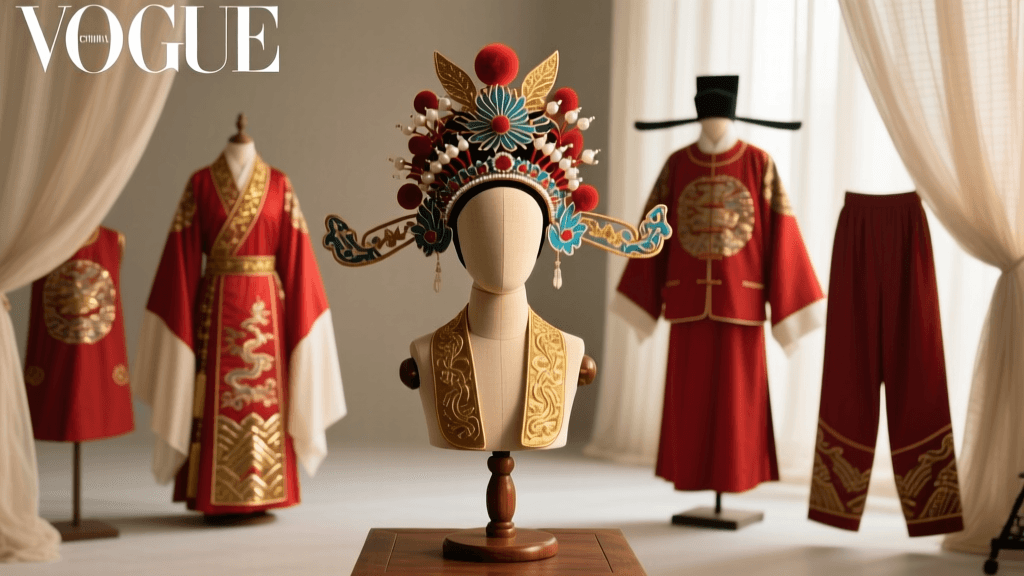
Peking Opera, or Jingju, is a cornerstone of Chinese cultural heritage, recognized globally for its masterful synthesis of music, vocal performance, mime, dance, and acrobatics. According to UNESCO's Intangible Cultural Heritage list, Peking Opera is a profound expression of Chinese aesthetics and historical storytelling. Central to this breathtaking art form is the Xingtou—the specialized theatrical wardrobe that transforms actors into emperors, generals, scholars, and deities.
Unlike historical Hanfu or everyday Qing dynasty clothing, Xingtou is not bound by strict historical accuracy. Instead, it operates on a system of theatrical exaggeration and symbolism. The costumes are designed to be visible from the back rows of grand theaters, utilizing vibrant colors, oversized silhouettes, and reflective embroidery to convey a character's social status, personality, and moral alignment before they even sing a single note. For theater troupes, collectors, and cultural historians, understanding the craftsmanship and procurement of these garments is essential.
The Four Pillars of the Jingju Wardrobe
The Peking Opera wardrobe is broadly classified into four main categories, each serving specific character archetypes and dramatic situations. As noted in comprehensive theatrical analyses by Encyclopedia Britannica, the stylized nature of these garments allows a single actor to play multiple roles simply by changing their outer robe and headwear.
| Garment Type | Chinese Name | Primary Roles | Key Features | Estimated Cost (USD) |
|---|---|---|---|---|
| Court Robe | Mang (蟒) | Emperors, High Officials, Royalty | Python motifs, water sleeves, jade belts, round collars | $2,500 - $10,000+ |
| Casual Robe | Pei (帔) | Nobles, Scholars, Wealthy Gentry | Center-front opening, flowing sleeves, floral motifs | $800 - $3,500 |
| Armor | Kao (靠) | Generals, Warriors, Military Commanders | Padded armor plates, four back flags (kaoqi), heavy embroidery | $1,500 - $6,000 |
| Informal Wear | Xuezi (褶子) | Commoners, Students, Minor Officials | Cross-collar, simple patterns, versatile for many roles | $300 - $1,200 |
The Water Sleeves (Shui Xiu)
Attached to the cuffs of the Mang, Pei, and Xuezi are the iconic white silk extensions known as Shui Xiu (water sleeves). These are not merely decorative; they are vital tools for physical expression. A skilled actor uses the water sleeves to simulate weeping, hiding, greeting, or expressing rage. For standard roles, the sleeves measure 30 to 45 centimeters. However, for the Qingyi (virtuous female) role, sleeves can extend up to 60 to 100 centimeters to facilitate the intricate, flowing sleeve dances that define the character's grace.
Color Symbolism and Embroidery Techniques
The visual language of Xingtou relies heavily on a strict color code. Audiences immediately recognize a character's nature based on their dominant costume color:
- Yellow: Reserved exclusively for the Emperor and immediate royal family. It signifies supreme power and divine right.
- Red: Denotes loyalty, bravery, and high social standing. Often worn by trusted generals and high-ranking ministers.
- Black: Represents integrity, impartiality, and a fierce, sometimes rough, disposition. Frequently worn by judges and bold warriors.
- White: Symbolizes purity, but also old age, mourning, or treacherous cunning, depending on the character's facial makeup.
- Blue/Green: Associated with middle-ranking officials, scholars, and sometimes supernatural beings or bandits.
The Mastery of Su Embroidery
Authentic Peking Opera costumes are masterpieces of textile art, predominantly utilizing Su (Suzhou) embroidery techniques. The most prized method used in Xingtou is Panjin, or gold couching. Artisans lay flat gold threads over the silk base and stitch them down with fine silk threads, creating a shimmering, raised relief effect that catches the stage lights. This technique is heavily used on the Mang robes to outline the scales of the python motif. Another common stitch is Dazi (seed stitch), used to fill in intricate floral and cloud patterns with dense, vibrant colors that withstand the harsh glare of theatrical lighting.
Crowning Glory: Toumian and Headwear
No Xingtou ensemble is complete without its corresponding headwear, collectively known as Toumian. The most dramatic of these are the military helmets adorned with Lingzi—long pheasant tail feathers that can measure up to two meters in length. Actors manipulate these feathers through subtle head and neck movements to convey deep emotional states, such as deep thought, fury, or romantic longing. The craftsmanship of Toumian involves intricate metalwork, pearl stringing, and the careful mounting of kingfisher feathers (historically) or modern dyed silk alternatives to mimic the iridescent blue-green hues of traditional Tian-tsui art.
Practical Guide: Sourcing and Commissioning Costumes
For theater troupes, universities, and serious collectors looking to acquire authentic Xingtou, understanding the sourcing landscape is critical. The production of high-quality Peking Opera costumes is heavily concentrated in Suzhou and Hangzhou, where the legacy of silk weaving and embroidery remains strong.
Measurements and Specifications
Unlike Western theatrical costumes which are often tailored to the exact measurements of the actor, Xingtou are designed with a degree of modularity. However, when commissioning custom pieces, you must provide the following specific measurements to the atelier:
- Total Height and Shoulder Width: To ensure the robe drapes correctly and the hem clears the floor during acrobatic movements.
- Collar Size (Yuling): The cross-collar or round collar must sit perfectly against the neck to support the weight of the heavy headwear.
- Water Sleeve Length: Specify exact lengths based on the actor's arm span and the specific role's choreographic requirements.
- Kao (Armor) Weight Distribution: For military roles, the atelier must know the actor's back width to properly balance the 10 to 15 kg weight of the armor and its four back flags.
Cost and Timing Breakdown
Budgeting for Xingtou requires an understanding of the materials involved. Mass-produced, machine-embroidered polyester costumes are available for amateur troupes and school productions, typically costing between $200 and $500 per garment. These can be sourced within 2 to 4 weeks.
However, for professional performances and archival collections, hand-embroidered silk garments are mandatory. A custom, hand-couched Mang robe made of heavy silk satin and real gold-wrapped threads will cost between $3,500 and $10,000. Due to the intensive labor required—often involving a team of three to five master embroiderers—the lead time for a full custom suite (robe, undergarments, and boots) is typically 4 to 8 months. Troupes are advised to begin the commissioning process at least a year before a major premiere.
Maintenance and Archival Storage
The conservation of theatrical textiles is a specialized field. Institutions like the Victoria and Albert Museum's Theatre and Performance collections emphasize that stage costumes endure immense physical stress, including heavy perspiration and rigorous movement. Proper maintenance is vital to protect your investment.
Cleaning and Airing
Authentic silk and gold-threaded Xingtou must never be machine washed or dry-cleaned using harsh chemicals, as this will strip the gold foil and cause the silk to shatter. After every performance, the garments must be aired out in a shaded, well-ventilated room for at least 24 hours to allow sweat and moisture to evaporate. Spot cleaning with distilled water and a mild, pH-neutral textile detergent should only be performed on the inner cotton linings, avoiding the embroidered outer shells entirely.
Storage Solutions
When not in use, costumes should never be stored on wire hangers, which will distort the heavy shoulder pads and tear the silk. Instead, use heavily padded, wide-shoulder wooden hangers. For long-term archival storage, the garments should be folded loosely with acid-free tissue paper to prevent hard creases. Traditional Chinese theatrical troupes store their most valuable Mang and Kao in camphor wood chests. The natural oils of the camphor wood act as a powerful deterrent against moths and silverfish, while the wood's breathability prevents the buildup of humidity that leads to mold. By combining traditional storage wisdom with modern archival standards, these magnificent garments can survive for generations, continuing to tell the epic tales of China's theatrical heritage.
Conclusion
The Xingtou of Peking Opera is far more than mere clothing; it is a wearable canvas of Chinese philosophy, social hierarchy, and unparalleled artisanal skill. Whether you are a theater director sourcing armor for a martial epic, or a collector preserving a piece of intangible cultural heritage, respecting the craftsmanship, symbolism, and conservation needs of these garments ensures that the vibrant world of Jingju continues to captivate audiences worldwide.