Screen to Street: Styling Hanfu from Hit Chinese Dramas
The Global 'Drama Effect' on Modern Hanfu Fashion
The global explosion of Chinese television dramas has done more than just entertain audiences; it has ignited a massive cultural renaissance in traditional fashion. From the sweeping, ethereal robes of Xianxia (immortal fantasy) epics to the meticulously researched, dynasty-specific garments of historical palace dramas, screen costumes have become the primary gateway for international fans and domestic youth to discover Hanfu. According to a comprehensive cultural report by The New York Times, the modern Hanfu movement is deeply intertwined with media consumption, with fans frequently seeking to recreate the exact silhouettes, color palettes, and embroidery motifs of their favorite on-screen characters.
However, translating screen magic into wearable reality requires a nuanced understanding of garment construction. Television costumes are designed for the camera, not for the subway. They are frequently pinned, glued, and tailored to withstand studio wind machines rather than daily wear and tear. For the modern enthusiast looking to adopt drama-inspired fashion, bridging the gap between cinematic fantasy and street-ready practicality is essential.
Translating Screen Costumes to Wearable Hanfu
When adapting a costume from a hit show like The Untamed or Love Between Fairy and Devil, the first hurdle is proportion and fabric. Screen garments often prioritize dramatic visual impact over historical accuracy or comfort. To build a functional, drama-inspired wardrobe, you must adjust measurements and material choices.
Measurements and Proportions
- Sleeve Width: In Xianxia dramas, immortals wear 'Guangxiu' (wide sleeves) that can exceed 220cm in width, creating beautiful, flowing lines during wire-work stunts. For daily street wear, opt for 'Zhixiu' (narrow sleeves) or moderate 'Pipa' sleeves measuring 40-60cm across. This prevents fabric from dragging in food or catching on doors.
- Skirt Lengths: Screen-accurate 'Mamianqun' (horse-face skirts) or 'Qixiong Ruqun' (chest-high skirts) often pool on the floor at 110-120cm to elongate the actor's silhouette on camera. For practical wear, measure from your waist (or chest) to your ankle bone. A standard daily length is 90-100cm, allowing you to walk freely without stepping on your pleats.
- Collar Depth: Dramas frequently feature plunging, loosely pinned cross-collars (Jiaoling Youren) to show off layered undergarments. In reality, secure your collars with hidden snaps or strong fabric ties to maintain modesty and structure throughout the day.
Fabric Selection: Screen vs. Reality
Costume departments frequently use heavy synthetic brocades, stiff organzas, or ultra-cheap chiffons that photograph well under studio lighting but lack breathability. For a comfortable, reality-ready garment, swap these for natural fibers. Linen-cotton blends provide the structured drape needed for Song dynasty-inspired minimalism, while washed silk and viscose offer the ethereal flow of Xianxia fantasy without the static cling of polyester.
Comparison: Screen-Accurate Cosplay vs. Daily-Inspired Hanfu
| Feature | Screen-Accurate (Cosplay/Photoshoot) | Daily-Inspired (Street Wear) |
|---|---|---|
| Primary Fabric | Heavy synthetic brocade, stiff tulle, metallic jacquard | Linen-cotton blends, washed silk, breathable rayon |
| Sleeve Style | Extra-wide Guangxiu (200cm+ width) | Pipa or Zhixiu sleeves (40-60cm width) |
| Skirt Length | Floor-pooling (110cm+) | Ankle-grazing (90-100cm) |
| Estimated Cost | $150 - $400+ USD (Custom embroidery) | $45 - $120 USD (Ready-to-wear) |
| Wait Time | 30 - 60 days (Made-to-order) | 3 - 7 days (In-stock inventory) |
| Maintenance | Dry clean only; spot clean; delicate steaming | Hand wash cold; flat dry; low iron |
Styling Iconic Drama Genres
Xianxia: The Ethereal Fantasy Aesthetic
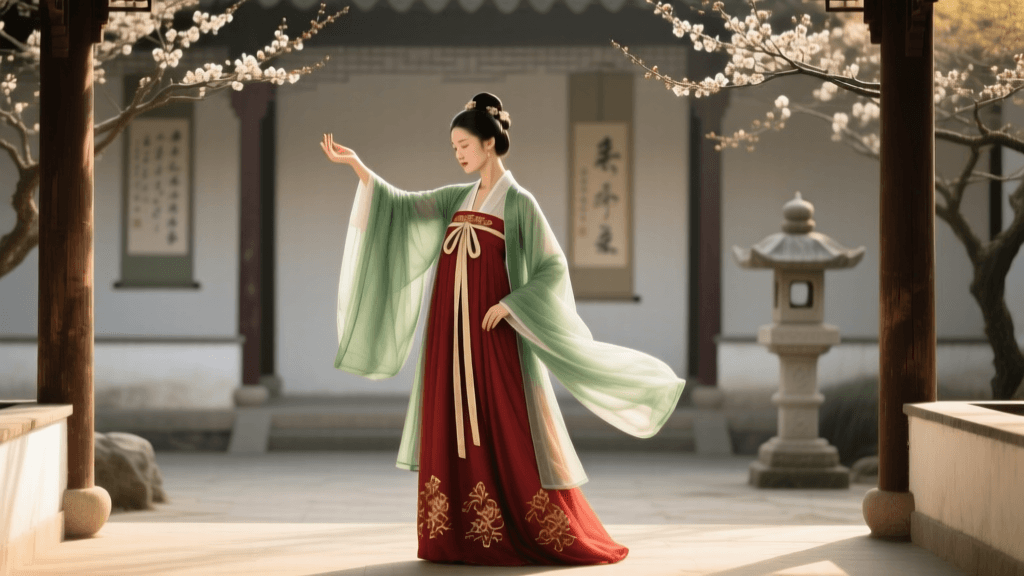
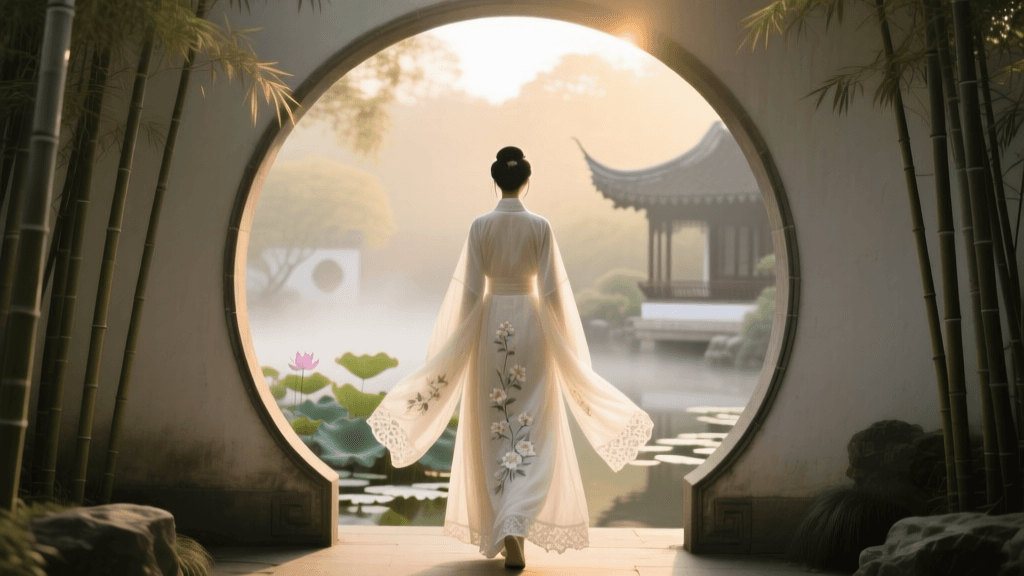
Xianxia dramas like Ten Miles of Peach Blossoms and Till the End of the Moon popularized a highly romanticized, multi-layered aesthetic. To achieve this look without looking like you are wearing a literal costume, focus on the 'Beizi' (a long, open-front coat) layered over a 'Dajinshan' (large-collared shirt). Choose pastel gradients, stark whites, or deep celestial blues. The key to the Xianxia look is movement; use lightweight viscose or chiffon for the outer layers so they catch the wind naturally, mimicking the 'flying immortals' trope.
Wuxia: Practical Martial Arts Elegance
For fans of Nirvana in Fire or The Untamed, the Wuxia (martial arts) aesthetic offers a more grounded, masculine, and utilitarian approach to Hanfu. The 'Yuanlingpao' (round-collar robe) is the staple here. To adapt this for modern streets, pair a solid-colored, cotton-linen Yuanlingpao with leather 'Hewan' (bracers) to tie back the sleeves, and a sturdy leather belt with a simple brass clasp. Footwear should consist of flat, black leather boots rather than the traditional cloud-toed cloth shoes, providing arch support for long days of exploring.
Historical Palace Dramas: Opulence and Craftsmanship
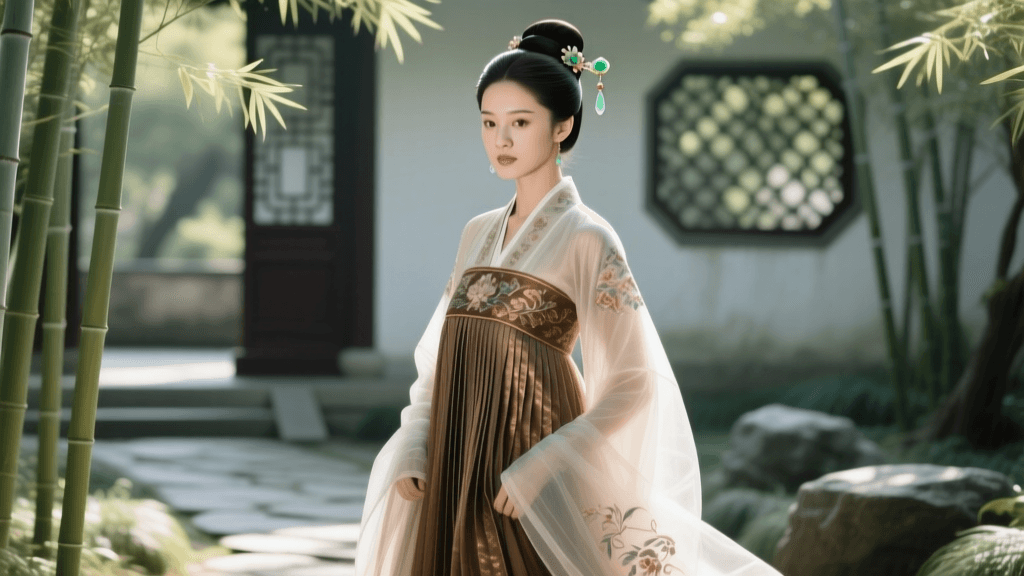
Shows like Story of Yanxi Palace and The Longest Day in Chang'an sparked a massive revival in traditional Chinese craftsmanship. As noted by Sixth Tone, the inclusion of authentic Intangible Cultural Heritage crafts in Yanxi Palace—such as Ronghua (velvet flowers), point-blue (Tian-tsui) hairpins, and specific Suzhou embroidery techniques—led to a massive surge in demand for historically accurate accessories. When styling a Qing or Ming dynasty-inspired look, invest heavily in the accessories. A simple, historically cut 'Mamianqun' in a rich jewel tone can be elevated to screen-level opulence by adding a handcrafted velvet flower hairpin and a jade-embroidered pouch, rather than relying on heavy, uncomfortable screen-accurate robes.
Sourcing Your Drama-Inspired Wardrobe
Finding the right garments requires navigating the Chinese e-commerce ecosystem, primarily Taobao and Weidian. While international retailers exist, buying direct offers better pricing and access to 'Tuan Gou' (group buys).
- Ready-to-Wear (Xianji): Best for daily-inspired Wuxia and Song dynasty minimalism. Shops like 'Shisanyu' or 'Zhongzheng Hanfu' offer in-stock items ranging from $45 to $90 USD. These ship within a week and are tailored for modern proportions.
- Custom & Screen-Accurate (Laili): For exact replicas of drama costumes (e.g., the iconic black and red robes of Wei Wuxian), you will need to order from specialized cosplay Taobao shops like 'Caiyu Ge'. Expect to pay $150-$300 USD. These sets require precise body measurements (bust, waist, hips, height, and arm length) and typically have a production lead time of 30 to 45 days.
Garment Care for Drama-Inspired Sets
Drama-inspired Hanfu, especially those featuring metallic jacquard weaving or delicate gradient dyeing, requires specific care to maintain its cinematic luster.
"The longevity of a Hanfu set depends entirely on post-wear care. Screen costumes are discarded or archived after a few months of filming, but a personal investment piece must endure. Always avoid direct sunlight when drying dyed silks to prevent the 'screen-fade' effect, and never wring out pleated Mamianqun skirts, as this destroys the heat-set knife pleats."
For pleated skirts, always hang them using clips along the waistband to let gravity maintain the pleats. For embroidered collars, use a soft-bristle brush to remove dust and makeup rather than aggressive washing, which can fray the metallic threads commonly used in palace drama replicas.
Conclusion
Chinese television dramas have undeniably democratized and globalized traditional Asian fashion. As highlighted in a cultural analysis by BBC Culture, the transition of Hanfu from niche cosplay to mainstream streetwear is heavily driven by the emotional connection fans build with on-screen characters. By understanding the necessary adjustments in fabric, proportion, and styling, you can honor the cinematic beauty of your favorite dramas while wearing a garment that is functional, comfortable, and deeply rooted in Asian textile traditions.