Guide to China's Top Hanfu and Textile Heritage Museums
Introduction to China's Textile and Hanfu Heritage
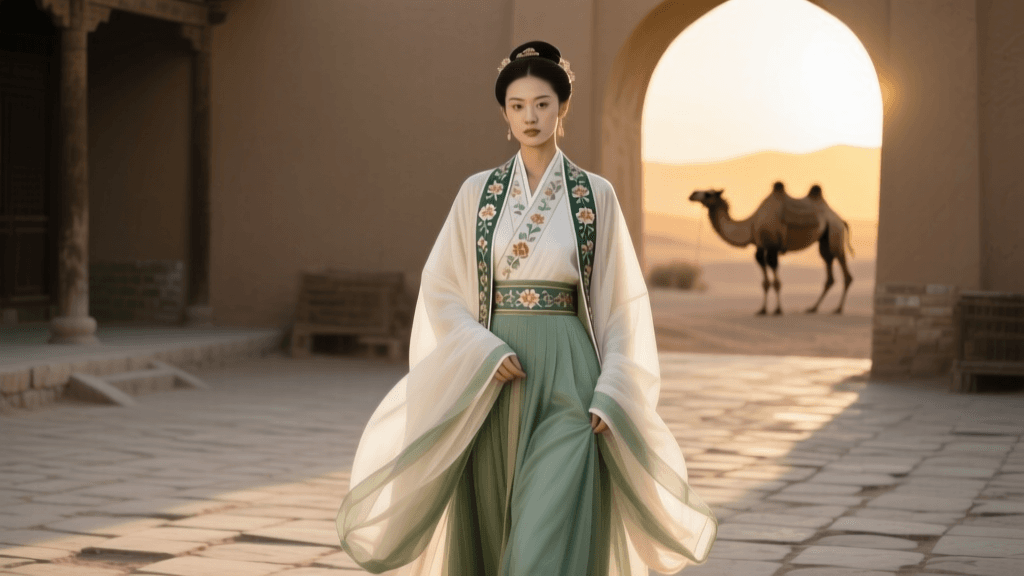
The modern resurgence of Hanfu (traditional Han Chinese clothing) is not merely a fleeting fashion trend; it is a profound cultural renaissance. As millions of young people and cultural enthusiasts embrace traditional garments, the demand for historical accuracy and deeper understanding has skyrocketed. To truly appreciate the structural complexity, seasonal fabric choices, and intricate weaving techniques of traditional Chinese clothing, one must look beyond social media and step into the institutions dedicated to preserving this legacy. China's textile and Hanfu heritage museums offer an unparalleled window into the artistry of sericulture, brocade weaving, and historical fashion customs.
For cultural travelers, historians, and Hanfu enthusiasts, visiting these heritage sites provides essential context. You will witness the evolution from the wrap-around shenyi of the Han Dynasty to the pleated mamianqun (horse-face skirts) of the Ming Dynasty. This guide explores the most significant Hanfu and textile museums in China, offering practical advice on how to plan your visit, what to look for in the exhibitions, and how to respectfully wear traditional garments on museum grounds.
Top Hanfu and Silk Museums You Must Visit
China National Silk Museum (Hangzhou)
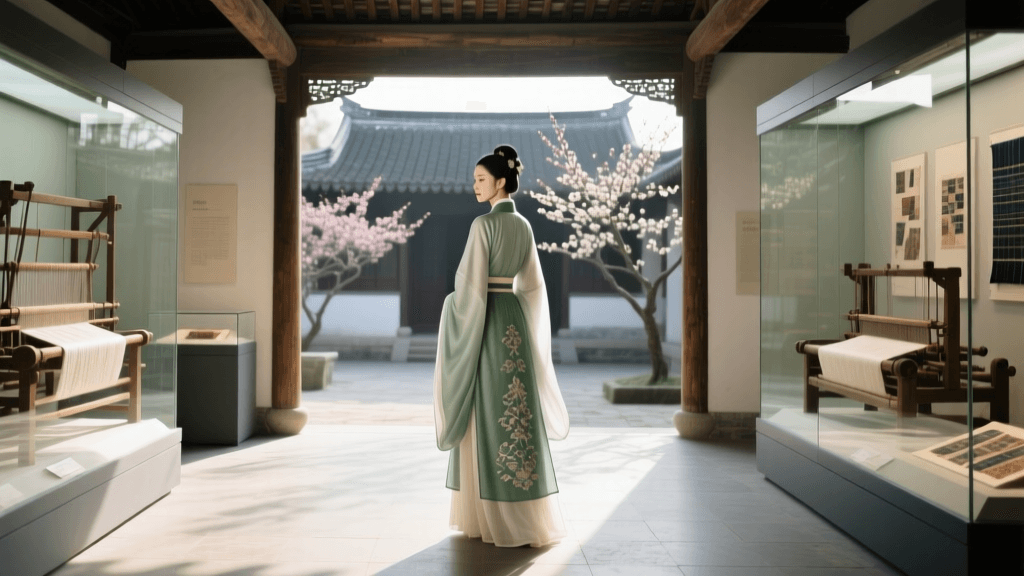
Located near the scenic West Lake in Hangzhou, the China National Silk Museum (CNSM) is the largest silk museum in the world and a cornerstone of textile preservation. The museum's permanent exhibitions trace the 5,000-year history of Chinese silk, from the earliest Neolithic artifacts to the opulent dragon robes of the Qing Dynasty. For Hanfu enthusiasts, the CNSM is particularly valuable for its meticulously researched reproductions of historical garments. The museum frequently collaborates with historical textile experts to recreate Han Dynasty zhijuan (straight-hem robes) and Tang Dynasty banbi (half-sleeve jackets) using authentic traditional looms and natural dyes. The museum also hosts seasonal cultural exhibitions and 'Hanfu Fridays,' where visitors wearing historically accurate traditional clothing can enjoy guided workshops on ancient etiquette and tea ceremonies.
Suzhou Silk Museum (Suzhou)
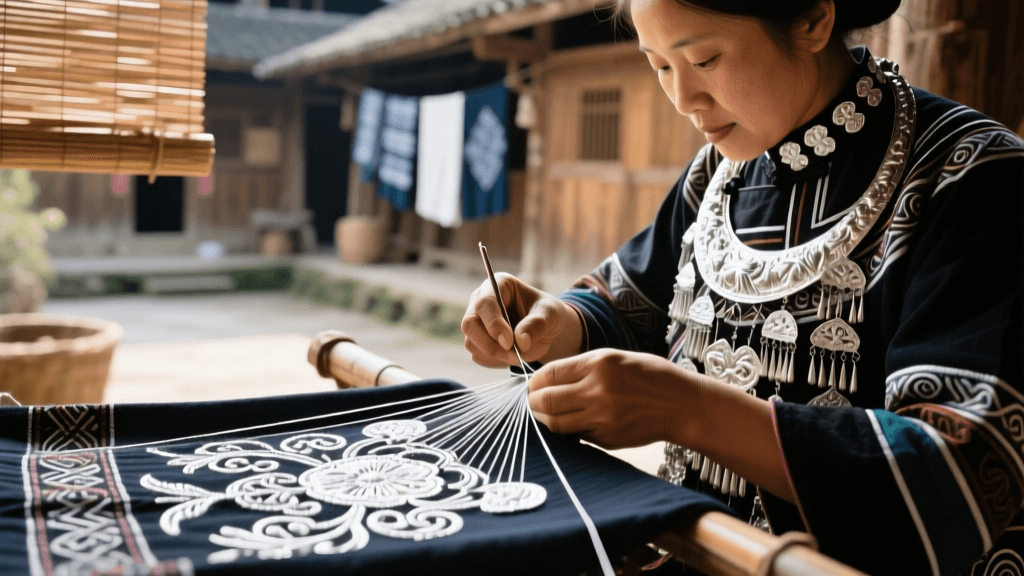
Suzhou has been the epicenter of China's silk industry for centuries, and the Suzhou Silk Museum reflects this rich heritage. While smaller than the CNSM, it offers a highly interactive experience. The museum is famous for its live demonstrations of Song Brocade (Songjin) weaving and Su Embroidery. Visitors can watch master artisans operate traditional wooden jacquard looms, a mesmerizing process that highlights the incredible structural layering required to create complex brocade patterns. The museum's gift shop and adjacent cultural streets are also excellent places to source authentic silk fabrics and bespoke Hanfu accessories, such as embroidered cloud shoulders (yunjian) and hairpins.
Chengdu Shu Brocade Museum (Chengdu)
Shu Brocade is one of the Four Famous Brocades of China, with a history dating back to the Three Kingdoms period. The Chengdu Shu Brocade Museum is dedicated to this specific regional craft, which was highly prized for its vibrant colors and durability. The museum details how the unique damp climate of the Sichuan basin influenced the dyeing and weaving processes. For those interested in the intersection of geography and fashion, this museum explains why certain heavy, insulated brocades were favored in the mountainous west, contrasting with the lightweight silks of the Jiangnan region.
Museum Comparison Chart: Planning Your Heritage Tour
| Museum Name | Location | Primary Focus | Entry Cost (Approx.) | Best Time to Visit | Hanfu Friendliness |
|---|---|---|---|---|---|
| China National Silk Museum | Hangzhou, Zhejiang | Comprehensive Silk Road history, Han/Tang reproductions | Free (Reservation required) | Spring (March-May) for silk worm exhibits | Very High (Hosts Hanfu events) |
| Suzhou Silk Museum | Suzhou, Jiangsu | Song Brocade, Su Embroidery, live loom demos | Free | Autumn (Sept-Nov) for comfortable strolling | High (Near Pingjiang Rd rentals) |
| Chengdu Shu Brocade Museum | Chengdu, Sichuan | Shu Brocade, ancient jacquard looms, regional dyes | 30 RMB | Year-round (Indoor focus) | Moderate (Fewer local rentals) |
| Jiangnan Silk Museum | Nanjing, Jiangsu | Yunjin (Cloud Brocade), Ming Dynasty imperial textiles | Free | Winter (Nov-Jan) for off-peak crowds | High (Strong Ming Hanfu community) |
Practical Guide: Wearing Hanfu to Museums and Heritage Sites
Visiting a textile museum in full Hanfu is a deeply immersive experience, but it requires careful planning regarding rentals, etiquette, and preservation rules.
Rentals and Styling
If you are traveling without your own garments, major museum cities offer robust rental infrastructure. In Hangzhou and Suzhou, you will find dozens of Hanfu experience shops within a 10-minute walk of the museums. A standard rental package—including a historically accurate Ming Dynasty mamianqun set, traditional makeup, and hair styling—typically costs between 199 and 399 RMB ($28 to $55 USD) for a full day. Always inspect the garments for structural accuracy; reputable shops will ensure the collar crosses correctly and the sleeves are properly weighted.
Museum Etiquette and Preservation
When wearing Hanfu in heritage spaces, adhere to strict preservation etiquette. Ancient silk is highly sensitive to light and humidity. Never use flash photography near the glass exhibition cases, as intense light accelerates the degradation of natural dyes and protein fibers. Additionally, while wearing flowing garments like the large-sleeved daxiushan, be highly conscious of your surroundings. Avoid brushing your sleeves against open exhibits, unsealed artifacts, or other visitors. Finally, ensure your Hanfu is worn with the correct jiaoling youren (left lapel crossed over the right), a fundamental rule of traditional Chinese dress that signifies life and civilization, whereas the reverse is historically reserved for the deceased.
Navigating Exhibitions: What to Look For
To get the most out of your visit, look beyond the surface beauty of the garments and focus on the structural and technical achievements of ancient artisans. The preservation of these techniques is so vital that the UNESCO Intangible Cultural Heritage list officially recognizes Chinese sericulture and silk craftsmanship, underscoring the global importance of these regional weaving traditions.
Structural Layering and Undergarments
A common misconception is that historical garments were single-layered. Museum exhibitions often display the intricate layering system of Hanfu. Look for displays featuring the zhongyi (inner garments) and zhongku (trousers), which provided structural support and protected the expensive outer silks from body oils. Notice how the stiffness of the inner linen or cotton layers dictated the drape and silhouette of the outer silk robes, a crucial detail for modern Hanfu makers trying to replicate historical silhouettes.
Weaving Techniques: Kesi and Zhuanghua
Pay special attention to the weaving structures on display. Kesi (cut silk) tapestry is a highlight in many exhibitions. Unlike continuous weft weaving, Kesi uses discontinuous wefts to create intricate, painting-like patterns that look identical on both sides of the fabric. Similarly, look for Nanjing Cloud Brocade (Zhuanghua), which often incorporates real gold and silver threads, as well as peacock feather filaments. The Metropolitan Museum of Art's Heilbrunn Timeline provides excellent background context on how these complex Chinese silk structures influenced global trade and textile history along the ancient routes mapped by the UNESCO Silk Roads Programme.
Conclusion
Exploring China's Hanfu and textile heritage museums bridges the gap between modern fashion revival and ancient artisanship. Whether you are marveling at the gold-woven cloud brocades of Nanjing, watching a master weaver in Suzhou, or attending a traditional etiquette workshop in Hangzhou, these institutions provide the foundational knowledge necessary to truly respect and understand Asian clothing traditions. By planning your visit carefully, observing museum etiquette, and studying the structural nuances of the exhibits, you will gain a profound appreciation for the threads that weave together China's cultural history.