Inclusive Kimono Styling: Dressing Every Body Type & Gender
The Evolution of the Kimono: Beyond One-Size-Fits-All
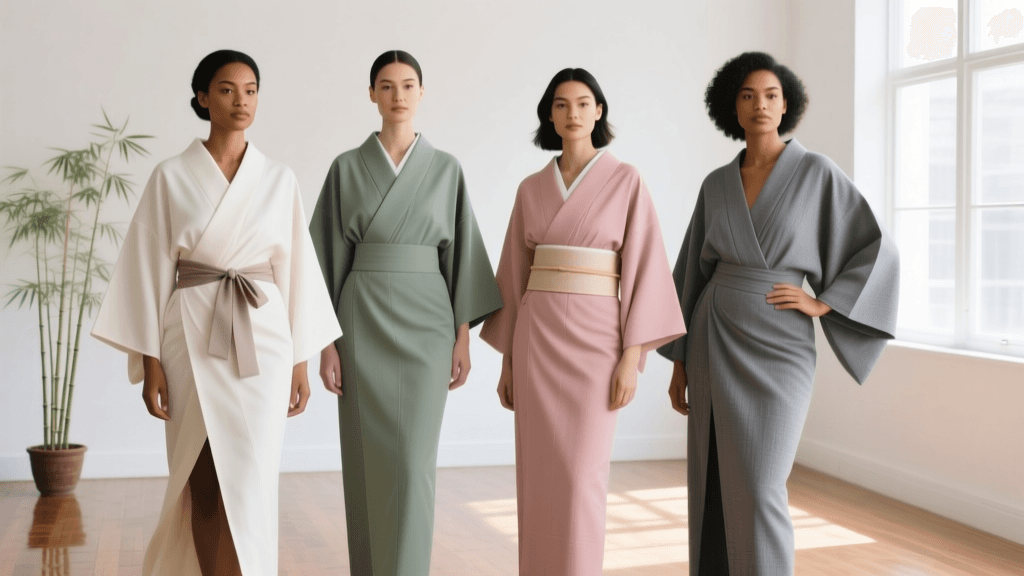
The kimono, literally translating to 'thing to wear,' is one of the most recognizable and culturally significant garments in the world. Historically, the kimono was celebrated for its T-shaped, straight-lined construction, which allowed it to be folded flat and adapted to various wearers. However, a common misconception in modern fashion is that the kimono is strictly a 'one-size-fits-all' garment. In reality, traditional kimono dressing relies on complex folding techniques, strategic padding, and precise tailoring to accommodate the human form. Today, as global interest in Japanese traditional garments surges, the demand for inclusive kimono styling—catering to plus-size, petite, tall, and gender-nonconforming individuals—has transformed how this ancient garment is worn, rented, and tailored.
According to the Metropolitan Museum of Art, the structural evolution of the kimono from the kosode of the Muromachi period to the elaborate garments of the Edo period was always driven by a desire for personal expression and adaptability. Modern inclusivity is simply the next logical step in this evolution. Whether you are a tourist planning a rental experience in Kyoto or a fashion enthusiast looking to purchase your first authentic silk piece, understanding how to adapt the kimono for diverse body types and gender expressions is essential for both comfort and aesthetic harmony.
The Architecture of Inclusive Sizing
Unlike Western clothing, which relies on darts, seams, and tailored curves to contour the body, the kimono is constructed from straight panels of fabric. This architectural choice means that the garment does not inherently discriminate against different body shapes; rather, the dressing process (kitsuke) creates the silhouette. For individuals outside the standard Japanese sizing metrics, adjustments are made through the manipulation of the fabric, the addition of side panels, or the strategic use of undergarments.
| Measurement | Traditional Approach | Inclusive & Modern Adjustments |
|---|---|---|
| Height | Adjusted via the ohashori (waist tuck) | Custom hemming, or using hakama to conceal length discrepancies for very tall or petite wearers. |
| Hips & Waist | Standard width panels wrapped tightly | Adding side panels (machi) for plus-size figures, or using stretch-blend modern juban (undergarments). |
| Arm Span | Standard sleeve drop and width | Custom sleeve lengths to prevent fabric dragging on tall individuals; adjusting the miyatsukuchi (armhole opening). |
| Shoulders | Fixed seam drop from the center back | Raglan-style modern adaptations, or strategic layering with haori jackets to balance shoulder proportions. |
Styling Kimono for Diverse Body Types
Achieving the perfect kimono silhouette requires an understanding of how fabric weight, pattern placement, and obi (sash) selection interact with individual body proportions. Here is a practical guide to styling for specific body types.
Petite Frames
For individuals under 5'2" (157 cm), the primary challenge is managing the excess fabric required to create the traditional ohashori (the fold at the waist). If the kimono is too long, the waist fold becomes bulky and uncomfortable. Actionable advice: Opt for a kimono with a shorter back length (mitake). When renting, explicitly request a 'petite size' or a garment that requires minimal waist folding. Choose smaller, repetitive patterns (komon) rather than large, sweeping motifs that can overwhelm a smaller frame. A narrower hanhaba obi tied in a simple bunko knot will maintain your natural proportions without adding excessive bulk to the back.
Plus-Size and Curvy Figures
The kimono is remarkably forgiving and flattering for plus-size and curvy bodies because it creates a smooth, columnar silhouette. The challenge lies in the width of the hip panels. If the front panels do not overlap sufficiently at the hips, the undergarment will show, which is considered a styling error. Actionable advice: Look for kimono that have been tailored with extra-wide side panels (machi). When tying the obi, ensure it is positioned firmly at the narrowest part of the waist or slightly lower on the hips to provide structural support. Stiffer fabrics like tsumugi (pongee silk) provide excellent structure and prevent the garment from clinging, while avoiding overly stiff, heavily embroidered fukuro obi can prevent the waist area from feeling restrictive. Utilizing a modern, elasticized date-jime (under-sash) will keep the front panels securely wrapped throughout the day.
Tall Silhouettes
Tall individuals (over 5'8" or 173 cm) often find that standard vintage kimono are too short, resulting in an inadequate or non-existent ohashori. Actionable advice: Seek out modern, custom-tailored kimono or vintage pieces from the mid-20th century, which tend to have longer hemlines. Tall wearers can beautifully carry bold, dramatic geometric patterns and large crests. To balance a taller frame, consider wearing a longer haori jacket, which elongates the torso and adds a layer of sophisticated proportion. If the sleeves are too short, exposing the wrists, a dark, contrasting nagajuban (under-kimono) can turn this into an intentional, layered stylistic choice.
Breaking the Binary: Gender-Inclusive Kimono Fashion
Historically, the line between men's and women's kimono was strictly defined. Men's kimono feature a subdued color palette, shorter sleeves, and are worn straight down the body without the waist tuck, with the obi tied low on the hips. Women's kimono are characterized by longer, swinging sleeves, vibrant patterns, and the elevated, elaborate obi knots. However, contemporary Japanese fashion is increasingly challenging these binaries, giving rise to a vibrant gender-inclusive kimono movement.
The Victoria and Albert Museum notes that the kimono has always been a canvas for shifting social identities, and today's genderless styling is a continuation of this legacy. For non-binary, transgender, or androgynous individuals, the kimono offers a unique medium for self-expression that does not rely on Western gendered tailoring norms.
- The Androgynous Silhouette: By adopting the men's method of dressing—forgoing the ohashori waist tuck and tying the obi low on the hips—wearers of any gender can achieve a sleek, straight, and highly modern silhouette.
- Hakama Integration: The hakama (pleated trousers) is historically worn by men, Shinto priests, and female university graduates. Today, pairing a hakama with a standard kimono creates a striking, gender-neutral look that is incredibly comfortable and allows for greater mobility.
- Subverting Expectations: Many modern stylists mix traditional gender codes, such as pairing a dark, subdued men's kimono with a vibrant, traditionally feminine maru obi, or wearing a brightly patterned women's yukata with a minimalist, structured men's haori.
'The beauty of the kimono lies in its flat, architectural nature. It does not force the body into a predetermined gendered shape; instead, it allows the wearer to sculpt their own identity through the art of wrapping and tying.' — Modern Kyoto Kitsuke Stylist
Practical Guide: Renting and Buying Inclusive Kimono
For tourists and newcomers, navigating the rental market can be daunting, especially if you require non-standard sizing or gender-neutral styling. According to Japan Guide, most standard rental shops in tourist hubs like Asakusa (Tokyo) and Higashiyama (Kyoto) stock garments that fit individuals between 5'0" and 5'7", with hip measurements up to 40 inches. If you fall outside these parameters, advance planning is crucial.
Renting for Plus-Size and Tall Individuals
Many boutique rental shops now offer 'plus-size' or 'tall' packages, but they are not always advertised in English. When booking, use the terms 'LL size' (for plus-size) or specify your exact height and hip measurements in centimeters. Expect to pay a premium of 2,000 to 5,000 JPY ($15 to $35 USD) on top of the standard rental fee (which typically ranges from 5,000 to 10,000 JPY) for specialized sizing and the extra time required for dressing. Always book at least three weeks in advance to ensure the shop can prepare the correct panels and undergarments.
Requesting Gender-Neutral Styling
If you prefer a gender-neutral or masculine styling, explicitly request 'dansou' (men's dressing) or 'genderless styling' when booking. Some progressive shops in neighborhoods like Harajuku (Tokyo) or Nakameguro specialize in avant-garde and gender-inclusive styling, offering accessories like leather obi belts, modern footwear, and unconventional layering pieces that defy traditional categorization.
Buying Custom and Vintage
For those looking to purchase, the vintage market is a treasure trove for tall and plus-size individuals, as post-war vintage kimono were often made with more generous measurements. Online platforms specializing in Japanese vintage textiles allow you to filter by exact 'mitake' (back length) and 'yuki' (arm span). For a truly bespoke experience, commissioning a modern kimono from a tailor in Kyoto or Tokyo allows for complete control over panel width, sleeve length, and fabric choice, with prices for custom silk garments starting around 150,000 JPY ($1,000 USD) and scaling upward based on the complexity of the dyeing and weaving techniques.
Conclusion
The kimono is not a static relic of the past; it is a dynamic, living garment that continues to evolve alongside the people who wear it. By understanding the structural flexibility of the T-shaped silhouette, mastering the art of proportion, and embracing gender-inclusive styling techniques, the kimono becomes an accessible and empowering form of expression for every body type. Whether you are wrapping yourself in silk for a tea ceremony, exploring the streets of Kyoto in a rented yukata, or redefining gender norms through avant-garde layering, the kimono welcomes all who approach it with respect and creativity.