Childrens Kimono Guide: Shichi-Go-San and Coming of Age
Introduction to Japanese Coming-of-Age Milestones
Japanese culture places a profound emphasis on the passage of time, marking the transition from childhood to adulthood with deeply rooted sartorial traditions. For centuries, traditional garments have served as visual markers of these life stages, communicating age, social status, and familial hopes to the community. From the vibrant, pint-sized ensembles of early childhood to the sweeping, elegant sleeves of young adulthood, the evolution of the kimono mirrors the personal growth of the wearer. Understanding these garments requires a look into the specific ceremonies that necessitate them, primarily Shichi-Go-San and Seijin Shiki.
Shichi-Go-San: The Children's Kimono Tradition
The tradition of Shichi-Go-San, which translates literally to 'Seven-Five-Three', is celebrated annually on November 15th. This auspicious day honors the growth and well-being of children at the ages of three, five, and seven. Historically, these ages were considered critical milestones in a child's survival and development, a belief stemming from an era when infant mortality rates were high. According to cultural resources from Japan Guide on Shichi-Go-San, the tradition originated among the aristocracy during the Heian period (794-1185) before spreading to the samurai class and eventually the general populace during the Edo period.
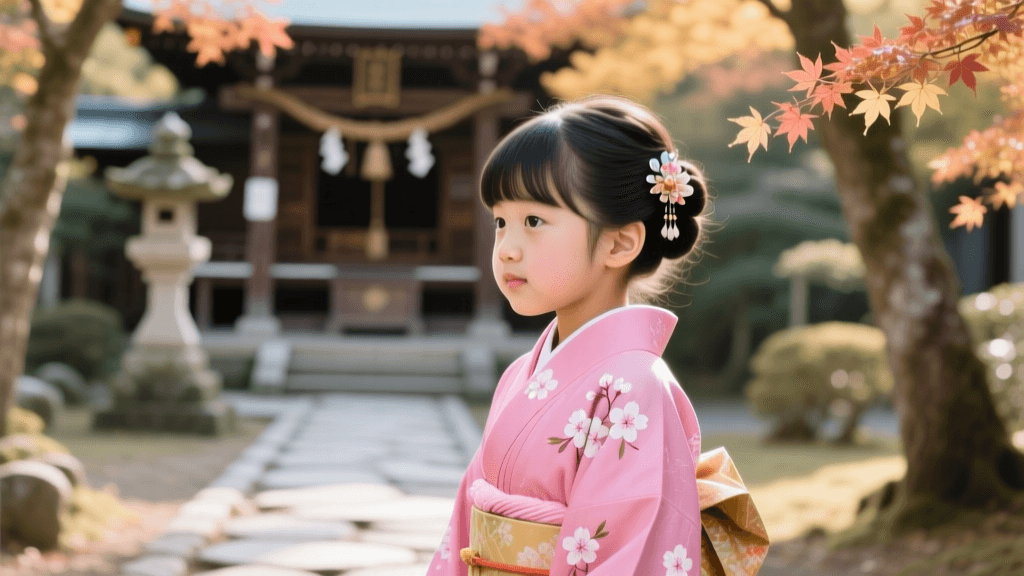
Today, families dress their children in exquisite miniature kimono and visit Shinto shrines to pray for health and longevity. The children are also given chitose ame (thousand-year candy), long, thin red and white candies packaged in decorative bags featuring cranes and turtles, symbolizing long life.
Garment Breakdown by Age and Gender
The specific garments worn during Shichi-Go-San are highly codified, representing the child's transition through early developmental stages.
| Age | Gender | Key Garment | Cultural Significance |
|---|---|---|---|
| 3 Years | Girls (and some boys) | Hifu (Padded Vest) | Celebrates the kamioki (hair-leaving) ceremony, marking the time when children were allowed to grow their hair out. |
| 5 Years | Boys | Hakama (Pleated Trousers) | Celebrates the hakamagi ceremony, where a boy wears formal men's attire for the first time, symbolizing his entry into societal responsibilities. |
| 7 Years | Girls | Obitoki (Adult-style Obi) | Girls transition from tying their kimono with simple cords to wearing a formal, wide obi sash, mirroring adult women's dress. |
For three-year-old girls, the kimono is often paired with a hifu, a soft, padded silk vest worn over the obi. This not only adds a layer of warmth for the November weather but also hides the complex obi knot, which would be uncomfortable and overly formal for a toddler. Five-year-old boys wear a formal kimono with a family crest (kamon), paired with a stiff, pleated hakama and a traditional short jacket called a haori. Seven-year-old girls wear a full-length, brightly patterned kimono with a real, structured obi, often tied in elaborate styles like the fukura suzume (puffed sparrow) knot.
Seijin Shiki: Transitioning to Adulthood
While Shichi-Go-San celebrates childhood, Seijin no Hi (Coming of Age Day) marks the official transition into adulthood. Held on the second Monday of January, this national holiday honors young adults who have reached the age of maturity. The centerpiece of the day is the Seijin Shiki ceremony, hosted by local municipalities, where attendees showcase breathtaking formal wear.
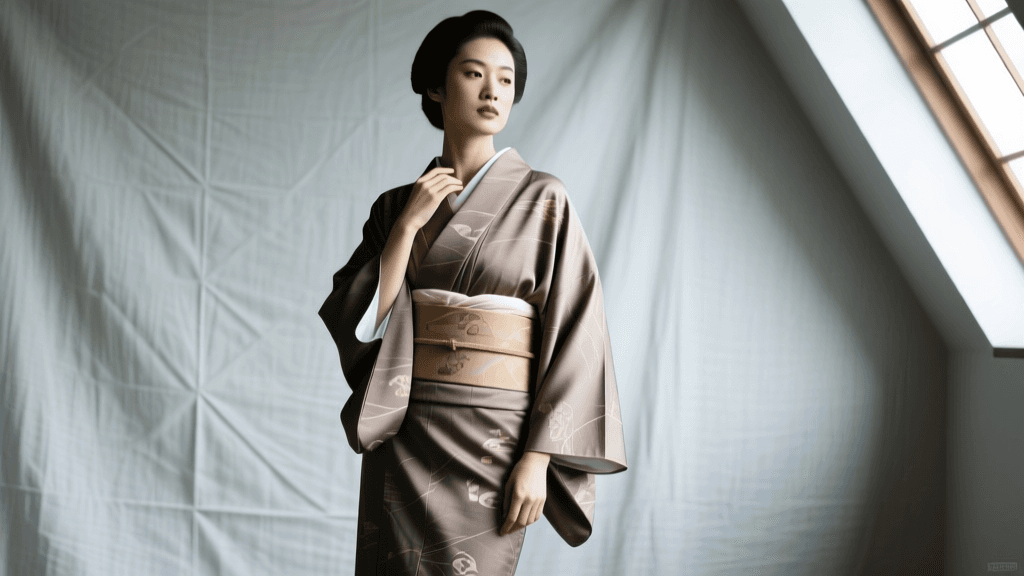
For young women, the undisputed garment of the day is the furisode. Characterized by its long, swinging sleeves, the furisode is the most formal kimono style for unmarried women. According to the Metropolitan Museum of Art's Heilbrunn Timeline of Art History, the furisode evolved during the Edo period, with sleeve lengths growing progressively longer as a way for young women to express emotion and attract suitors through the graceful swaying of the fabric. Furisode sleeves can range from 85 cm (kofurisode) to over 114 cm (ofurisode).
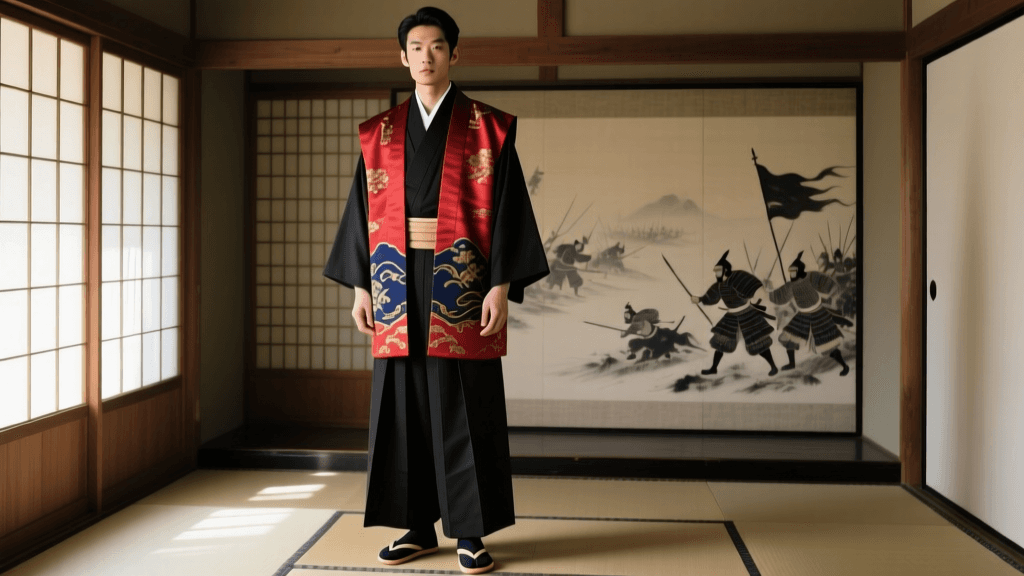
For young men, the traditional choice is a dark, formal montsuki hakama ensemble featuring five family crests, though today, a vast majority opt for Western business suits.
The 2022 Legal Adulthood Shift
It is vital for visitors and expatriates to note a recent legal shift: in April 2022, Japan revised its Civil Code, lowering the age of legal adulthood from 20 to 18. However, because 18-year-olds are typically in the midst of grueling high school and university entrance examinations in January, most local governments have chosen to hold the ceremonies for 20-year-olds instead, often renaming the event to a 'Twenty-Year-Old Gathering' (hatachi no tsudoi). The spectacular display of furisode remains entirely unaffected by this legislative change.
Practical Guide: Renting vs. Buying Kimono
Acquiring a kimono for these milestones is a significant investment. Because children grow rapidly and furisode are worn infrequently, the rental market in Japan is highly developed, offering comprehensive packages that include dressing services, photography, and accessories.
Cost Comparison: Rental vs. Purchase (Estimates in USD)
| Item / Service | Rental Package | Purchase (New) | Purchase (Vintage/Recycle) |
|---|---|---|---|
| Child's Shichi-Go-San Set | $150 - $300 | $400 - $800 | $100 - $250 |
| Women's Furisode Set | $350 - $700 | $2,500 - $8,000+ | $300 - $900 |
| Dressing Service (Kitsuke) | Included | $50 - $100 per wear | $50 - $100 per wear |
| Studio Photography | $100 - $250 | $150 - $400 | $150 - $400 |
Actionable Advice: If you plan to rent a furisode for Seijin Shiki, you must book your appointment 8 to 12 months in advance. Popular patterns and prime morning time slots at reputable kimono salons sell out almost immediately after the previous year's ceremonies conclude.
Etiquette and Dressing Tips for Parents
Dressing a child in traditional garments requires patience and an understanding of the underlying mechanics of the kimono. Unlike Western clothing, kimono are not tailored to exact body measurements; they are cut from standard bolts of fabric and adjusted to the wearer's body using a series of precise folds and ties.
- The Undergarments (Juban): Never place a kimono directly against the skin. Children must wear a hadajuban (a thin cotton undershirt) and a nagajuban (an inner robe). This protects the expensive outer silk from sweat and oils.
- Tying Cords (Koshihimo): The kimono is secured using long, thin cotton cords called koshihimo. For young children, ensure the cords are tied snugly but not tightly around the ribs, as children have less defined waists and the kimono can easily slip.
- Footwear (Zori and Tabi): Traditional split-toe tabi socks and straw or vinyl zori sandals are mandatory. For children, purchase tabi made with a 5% polyurethane blend; the slight stretch prevents the fabric from cutting into their ankles and makes walking much more comfortable.
- Hair and Accessories: Seven-year-old girls and young women wear elaborate hair ornaments called kanzashi. Ensure these are secured by a professional stylist who understands how to anchor them into traditional updos without relying heavily on damaging modern hair sprays.
Conclusion
The traditions of Shichi-Go-San and Seijin Shiki are far more than mere photo opportunities; they are profound cultural rituals that bind generations together through the shared language of textiles. Whether admiring the padded hifu of a toddler or the sweeping furisode sleeves of a young adult, the children's and coming-of-age kimono remain vibrant testaments to Japan's enduring reverence for growth, family, and the passage of time. For those participating, understanding the history, proper garment selection, and dressing etiquette ensures a respectful and deeply memorable experience. For further reading on Japanese seasonal events and traditional dress, resources like Japan Guide's Coming of Age Day overview provide excellent localized insights.