Cosplay Guide To Sourcing And Styling Hakama Wear
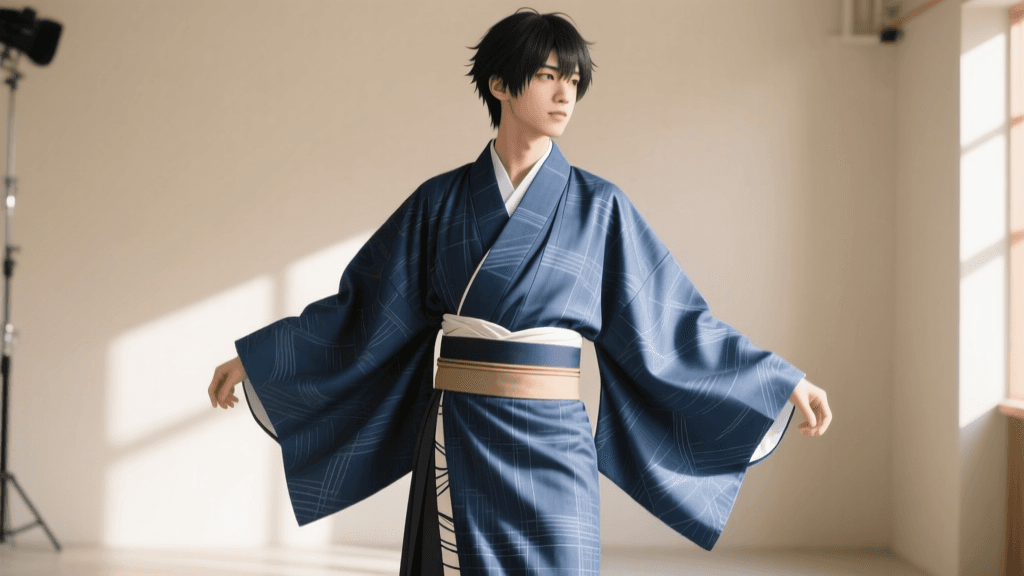
The Intersection of Traditional Hakama and Anime Cosplay
The global explosion of anime and manga has fundamentally transformed how international audiences interact with traditional Japanese clothing. Series set in the Taisho or Meiji eras, such as Demon Slayer: Kimetsu no Yaiba, Rurouni Kenshin, and Gintama, have sparked a massive resurgence in the popularity of the hakama—the wide-legged, pleated trousers historically worn by samurai and scholars. However, as cosplay and manga-inspired streetwear evolve from casual hobbyism to high-fidelity craftsmanship, enthusiasts are increasingly abandoning mass-produced, polyester convention costumes in favor of authentic, traditionally constructed garments.
According to the Metropolitan Museum of Art's Heilbrunn Timeline of Art History, the hakama originated as a protective garment for horseback riders before evolving into a symbol of status and martial discipline during the Edo period. Today, integrating these historically accurate pieces into anime cosplay not only elevates the visual impact of the character but also serves as a bridge to genuine cultural appreciation. This guide provides actionable advice on sourcing, sizing, and styling authentic hakama for your next convention or manga-inspired editorial shoot.
Sourcing Authentic Hakama vs. Cosplay Replicas
When building a high-tier cosplay or a Harajuku streetwear wardrobe, understanding the structural differences between authentic martial arts/traditional hakama and mass-market costume replicas is crucial. Authentic garments feature a rigid back panel (koshiita) and precisely folded pleats (hida) that dictate the garment's drape and movement.
| Feature | Authentic Traditional Hakama | Mass-Market Cosplay Hakama |
|---|---|---|
| Material | Tetron (polyester-rayon blend), heavy cotton, or silk. Wrinkle-resistant and drapes heavily. | Thin, shiny polyester or poplin. Clings to the body and snags easily. |
| Pleats (Hida) | 7 deep, heat-set pleats (5 front, 2 back) that hold their shape during dynamic movement. | Superficial stitching or loosely ironed folds that fall out after one wear. |
| Back Panel (Koshiita) | Rigid, trapezoidal board that keeps the garment anchored at the small of the back. | Fabric-only back or flimsy cardboard insert that buckles when sitting. |
| Cost | $80 - $250+ USD (¥12,000 - ¥40,000 JPY) | $25 - $50 USD |
| Durability | Decades with proper care; designed for martial arts (Kendo/Aikido). | 1-2 conventions; seams frequently split under stress. |
To source authentic pieces, look beyond standard cosplay retailers. Japanese martial arts suppliers like Tozando or Suzakudo ship globally and offer premium Tetron hakama that are virtually indistinguishable from silk but are machine-washable and perfect for the rigors of a convention floor. For vintage silk options, Yahoo Auctions Japan (via proxy services like Buyee) is a goldmine for Meiji and Taisho-era antiques, often priced between $40 and $100 USD.
Sizing and Measurements for the Perfect Fit
Unlike Western trousers, hakama do not rely on zippers or buttons. They are secured using four long ties (himo) that wrap around the waist. The fit is determined entirely by the length of the garment and the placement of the koshiita.
How to Measure for Hakama
- The Anchor Point: Tie a string around your natural waist (above the belly button), where the obi (sash) will sit.
- The Length: Measure from the string down to your ankle bone. For a traditional martial arts fit, the hem should graze the top of the foot. For anime cosplay (especially when wearing geta or zori sandals), subtract 1-2 inches to prevent tripping.
- The Waist: Measure your natural waist circumference. Most authentic hakama come in standardized sizes (e.g., Size 22 to 30), which correspond to the length in traditional Japanese units (shaku), but retailers provide exact inch/cm conversion charts.
Pro-Tip for Cosplayers: If you are cosplaying a character who wears a heavily armored or layered haori (jacket) over the hakama, buy a hakama one size longer. The visual weight of the upper body layers requires a wider, longer base to maintain the heroic, triangular silhouette typical of shonen manga character designs.
Styling Hakama for Specific Anime Archetypes
The beauty of the hakama lies in its versatility. By swapping out the accompanying layers and accessories, you can accurately replicate distinct historical eras popularized in manga.
The "Demon Slayer" Corps Aesthetic (Taisho Era)
The Taisho era (1912–1926) blended traditional Japanese garments with Western influences. To recreate the iconic Demon Slayer uniform:
- The Base: A solid black or dark indigo Tetron hakama.
- The Leg Wraps: You must wear kyahan (traditional leg wraps) and tabi (split-toe socks). Wrap the kyahan tightly from the ankle to just below the knee to create a sharp, militaristic line.
- The Footwear: Pair with waraji (straw sandals) or modern tactical boots if adapting the design for a cyberpunk or modern streetwear crossover.
The Meiji-Era Scholar and Samurai (Rurouni Kenshin)
As noted by the Victoria and Albert Museum's comprehensive guide on Japanese fashion, the Meiji Restoration saw a rapid Westernization of Japan, yet the hakama remained a staple for scholars and former samurai. To achieve the Rurouni Kenshin or Gintama aesthetic:
- The Layers: Wear a subdued, striped cotton kimono underneath, topped with a crested haori (jacket) featuring your favorite anime clan or family crest.
- The Ties: Cross the front ties neatly over the stomach, and ensure the back ties are pulled taut over the koshiita. The rigid back panel forces the wearer into an upright, dignified posture essential for playing stoic, swordsman archetypes.
- The Katana: Slide the saya (scabbard) through the obi on the left hip, angling the blade slightly upward—a historical necessity that remains a staple in manga action choreography.
Manga-Inspired Streetwear: Taking Hakama Off the Convention Floor
You do not need to be in full cosplay to utilize traditional garments. The Harajuku and Shibuya streetwear scenes frequently incorporate hakama into avant-garde, manga-inspired daily fashion. Brands like Yohji Yamamoto and Kapital often release modern interpretations of the pleated trouser.
To adapt the hakama for streetwear, pair a traditional, ankle-length black hakama with a modern, oversized graphic hoodie or a tailored trench coat. Swap the traditional sandals for chunky sneakers or combat boots. This juxtaposition of Edo-period tailoring with contemporary tech-wear is a hallmark of the "ninja-core" and anime-inspired street fashion movements. For those planning to visit Japan to explore these fashion hubs and the real-world locations that inspire their favorite manga, the Anime Tourism Association offers incredible itineraries that bridge the gap between pop-culture pilgrimage and traditional cultural heritage.
Caring for Your Garments Post-Convention
Convention floors are notoriously harsh on clothing. Proper care ensures your investment lasts for years.
- Airing Out: Immediately upon returning home, hang the hakama by the waist ties in a well-ventilated area away from direct sunlight to let sweat and convention-hall odors dissipate.
- Washing: Tetron and heavy cotton hakama can be machine washed on a gentle, cold cycle. Never use a tumble dryer, as the heat will destroy the heat-set pleats.
- Refolding the Pleats: While the garment is still damp, lay it flat on a large table. Align the outer edges of the pleats, pin them in place, and press with a low-heat iron using a pressing cloth. Fold the hakama in the traditional square method (tatami-kata) for storage to maintain the structural integrity of the hida.
By investing in authentic construction and understanding the historical context of the garments you wear, you elevate your cosplay from a simple costume to a wearable piece of art. Whether you are stepping onto the convention floor or the streets of Harajuku, the hakama remains a powerful, dynamic symbol of Japanese heritage and manga-inspired creativity.