Digital Kimono: Guide for Influencers & Communities
The Renaissance of the Kimono in the Digital Age
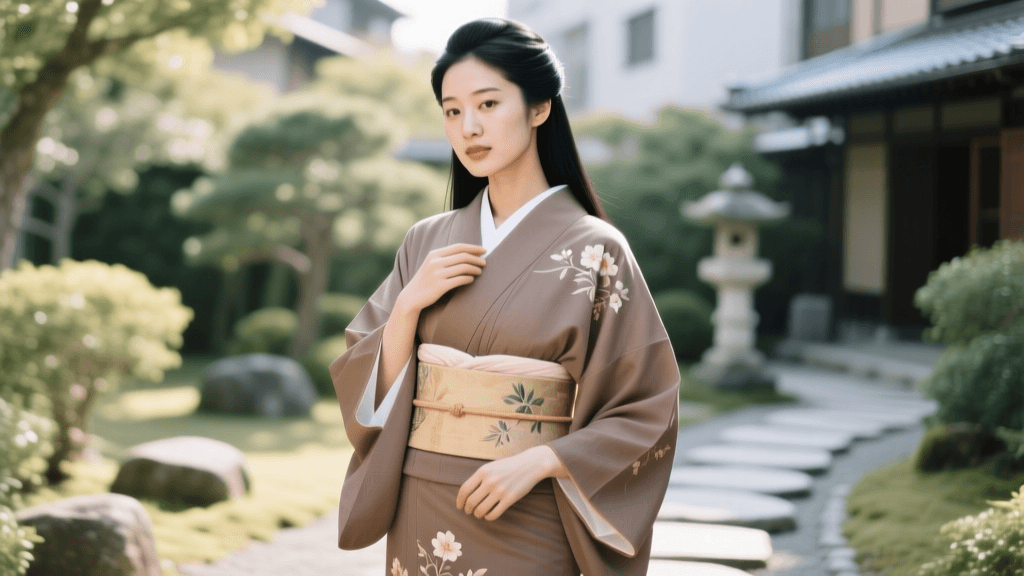
The traditional Japanese kimono has experienced a remarkable renaissance over the last decade, driven not by department store campaigns, but by a vibrant, decentralized network of digital influencers, vloggers, and online communities. What was once considered a strictly formal, localized garment has been transformed into a global medium for self-expression, historical education, and sustainable fashion. The landmark Kimono: Kyoto to Catwalk exhibition at the Victoria and Albert Museum highlighted this global trajectory, proving that the garment's appeal extends far beyond Japan's borders. Today, content creators on platforms like Instagram, YouTube, and TikTok are at the forefront of this movement, demystifying the complex art of kitsuke (dressing) and showcasing the breathtaking artistry of Japanese textiles to millions of followers worldwide.
For aspiring kimono influencers and community moderators, navigating this niche requires a delicate balance of aesthetic creativity, technical knowledge, and cultural respect. This comprehensive guide explores the strategies, equipment, and community etiquette necessary to build a successful and responsible digital presence in the world of traditional Japanese garments.
Choosing the Right Platform for Your Kimono Content
Different social media platforms cater to distinct types of kimono content. Understanding where your specific niche thrives is the first step toward building an engaged audience. Below is a comparison of the primary platforms used by kimono creators.
| Platform | Best Content Type | Audience Intent | Creator Strategy |
|---|---|---|---|
| High-quality photos, Reels, Carousels | Aesthetic inspiration, styling ideas, fashion | Focus on color coordination (kasane), seasonal motifs, and high-resolution textile close-ups. | |
| YouTube | Long-form vlogs, tutorials, history | Education, deep-dives, step-by-step learning | Create detailed kitsuke tutorials, vintage haul reviews, and historical garment analysis. |
| TikTok | Short-form transitions, quick tips | Entertainment, viral trends, quick facts | Utilize 'Get Ready With Me' (GRWM) transitions, quick obi tying hacks, and myth-busting. |
| Infographics, styling boards | Event planning, reference gathering | Pin seasonal color guides, zori and obijime pairing charts, and wedding kimono inspiration. |
Technical Gear: Capturing the Nuance of Silk and Shibori
Filming and photographing traditional Japanese garments presents unique technical challenges. Silk, metallic threads, and intricate dyeing techniques like shibori or yuzen require specific lighting and lens choices to capture their true depth. Standard smartphone cameras often blow out the highlights on silk or fail to capture the three-dimensional texture of woven patterns.
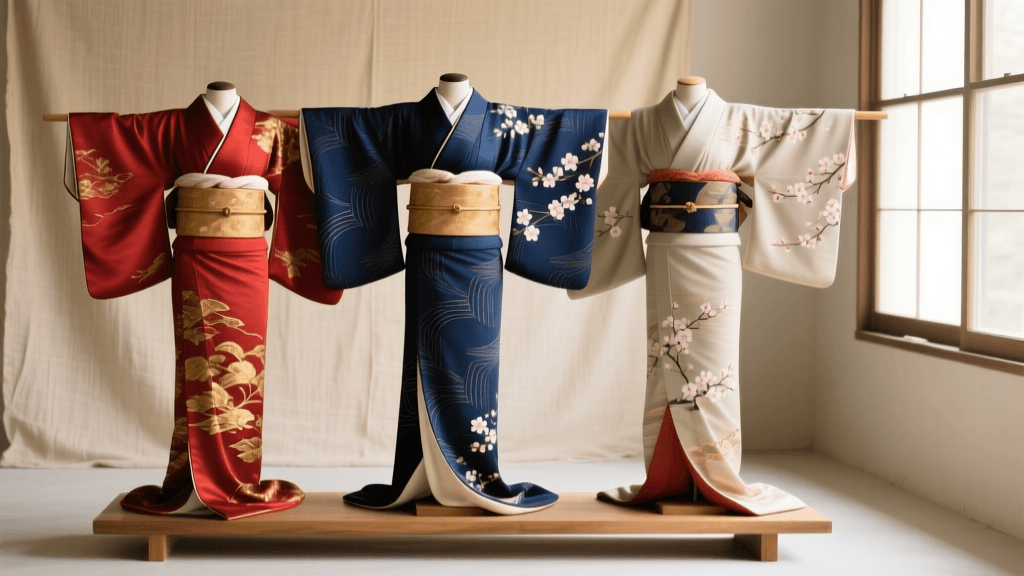
For dedicated vloggers and photographers, a full-frame mirrorless camera like the Sony A7 III or Canon EOS R6 is highly recommended. These bodies offer excellent dynamic range, which is crucial when shooting high-contrast garments like a black silk kurotomesode with metallic gold crests. Pair your camera body with a 90mm or 100mm macro lens. A macro lens allows you to capture the individual warp and weft threads of a meisen kimono or the tiny, precise stitches of hand-embroidery, providing your audience with a level of detail that elevates your content from simple fashion blogging to textile appreciation.
Lighting is equally critical. Direct, harsh flash will create unwanted glare on silk and flatten the visual texture of the fabric. Instead, invest in large softboxes or a continuous LED lighting kit with diffusion panels. Position your key light at a 45-degree angle to create soft shadows that highlight the texture of shibori tie-dye. Additionally, using a circular polarizing filter (CPL) on your lens can help manage the natural sheen of silk, allowing you to dial in the exact amount of reflection you want to capture without losing the fabric's color saturation.
Do not neglect audio. The rustling sound of silk layers rubbing together, known in Japanese as kinu-zure, is a deeply evocative sensory detail. Use a high-quality lavalier microphone clipped discreetly near the collar to capture this subtle acoustic signature during your vlogs.
Sourcing, Measurements, and Kitsuke for the Camera
A major pillar of kimono influencer content is the vintage and antique market. Sourcing pieces from online auctions, specialized dealers, or local Japanese thrift stores (known as recycle shops or tansu-ya) provides endless content opportunities. When buying vintage for video content, understanding measurements is non-negotiable. Unlike Western clothing, a kimono is not sized by standard small, medium, or large designations. The critical measurement is the mitake (back length). For proper kitsuke, the kimono's back length should ideally match the wearer's height from the nape of the neck to the ankle, plus an extra 10 to 15 centimeters to allow for the ohashori (the waist tuck). Content creators frequently make videos explaining how to measure and adjust vintage pieces that are too short or too long, which is highly valuable educational content for beginners.
When filming the dressing process, structure your video to highlight the functional accessories that make the garment work. Viewers are fascinated by the engineering of the koshihimo (waist ties), the datejime (wide under-belts), and the obi-ita (stiffeners used to keep the obi smooth). Breaking down these steps demystifies the garment and proves that wearing a kimono is an accessible, learned skill rather than an innate cultural talent.
Navigating Online Communities and Cultural Etiquette
The online kimono community is vast, spanning dedicated subreddits like r/kimono, specialized Facebook groups, and private Discord servers. These spaces are invaluable for sourcing advice, identifying rare textiles, and troubleshooting kitsuke issues. However, they are also spaces that demand high cultural sensitivity and historical accuracy.
As an influencer, you have a responsibility to educate your audience and avoid perpetuating orientalist stereotypes or engaging in cultural appropriation. This means providing accurate historical context for the garments you wear. For instance, when showcasing an Edo-period garment, reference authoritative sources like the Metropolitan Museum of Art's Heilbrunn Timeline of Art History to explain the evolution of the sleeve length (sodetake) and how it signified the wearer's age and marital status. Always credit the artisans, dye houses, and regions responsible for the textiles you feature. Furthermore, be mindful of the rules of engagement in community groups; many strict moderation teams will ban users who post 'fancy dress' or costume-style photos that misrepresent the garment's cultural significance.
Monetization and Supporting Traditional Artisans
While aesthetic appreciation drives initial engagement, long-term community building often involves supporting the living traditions that keep the kimono industry alive. Monetization for kimono influencers rarely comes from fast-fashion sponsorships; instead, it is rooted in artisan collaborations, educational products, and sustainable fashion advocacy.
Successful creators often partner with traditional weaving cooperatives or specialty boutiques to host exclusive pre-orders or limited-edition releases. For example, highlighting UNESCO-recognized crafts like Yuki-tsumugi silk weaving not only provides profound, engaging content for your audience but also directs vital financial support to aging artisan communities in Japan. By creating detailed video essays on the painstaking process of spinning silk floss and binding threads for kasuri patterns, influencers can justify higher price points and foster a community of conscious consumers who value heritage over mass production.
Additionally, many top kimono vloggers monetize through Patreon or subscription models, offering patrons exclusive access to advanced obi-tying masterclasses, personalized vintage shopping proxy services, and digital guides on seasonal color theory (kasane no irome). By positioning yourself not just as a fashion model, but as a curator, historian, and educator, you build a resilient, dedicated community that values the profound legacy of Asian textile traditions.