Harajuku Street Style: Styling Haori and Kimono Today
The Intersection of Edo Tradition and Harajuku Concrete
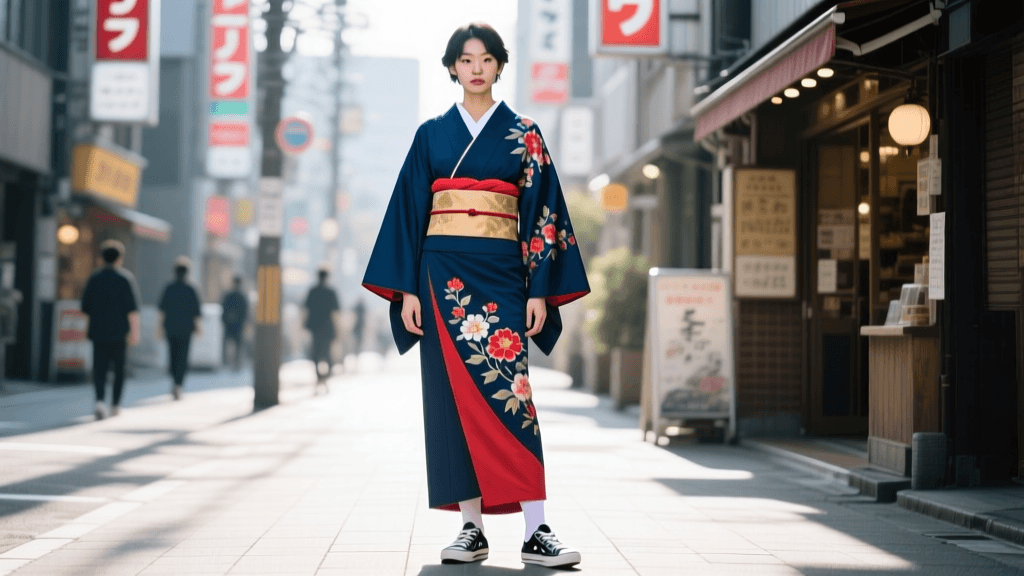
The global fashion landscape has long looked to Tokyo as a crucible of avant-garde innovation, but in recent years, the most groundbreaking street style has emerged not from futuristic synthetics, but from the meticulous reclamation of Japan's own sartorial heritage. In neighborhoods like Harajuku, Shimokitazawa, and Daikanyama, a new generation of stylists and youth culture enthusiasts are dismantling the rigid, ceremonial rules of kitsuke (the traditional art of dressing in kimono) and rebuilding them for the modern concrete jungle. This modern revival is not about wearing a costume; it is about integrating the architectural silhouettes of the haori (traditional jacket), yukata (summer cotton kimono), and hakama (pleated trousers) into everyday streetwear.
Historically, post-WWII Westernization pushed traditional Japanese garments, collectively known as wafuku, into the realm of weddings, coming-of-age ceremonies, and tea ceremonies. However, as highlighted by The Metropolitan Museum of Art's 'Kimono Style' exhibition, the kimono has always been a dynamic garment, historically adapting to shifting social norms, trade influences, and modern lifestyles. Today's streetwear revival honors this adaptive history, treating the kimono not as a fragile museum piece, but as a versatile, living textile meant to be worn, layered, and personalized.
Sourcing Authentic Pieces: Timing and Locations
Building a street-ready wafuku wardrobe requires knowing where and when to shop. While high-end department stores like Mitsukoshi offer pristine, custom-tailored silk garments, the streetwear revival thrives on the vintage and secondhand market. Tokyo's Koenji and Shimokitazawa districts are the undisputed capitals of vintage kimono sourcing.
- Best Time to Buy: January is the prime month for New Year clearance sales, where vintage silk haori can drop by up to 70%. For lightweight summer yukata, late June to early July offers the best selection before the Obon festival rush.
- Top Vintage Stores: Chicago (Shimokitazawa) and New York Joe Exchange (Koenji) offer massive bins of unsorted silk and cotton garments. Expect to pay between 3,000 JPY and 8,000 JPY ($20–$55 USD) for a high-quality, vintage silk haori.
- Online Alternatives: For international buyers, platforms like Yamato Antiques or specialized Etsy sellers curate streetwear-friendly, bold-patterned mid-century pieces.
Understanding Kimono and Haori Measurements
One of the most common pitfalls for newcomers is attempting to apply Western S/M/L sizing to traditional Japanese garments. Kimono and haori are constructed from straight bolts of fabric (tanmono) and are meant to be wrapped and folded to fit the wearer. The most critical measurements for streetwear styling are the Yuki (center-back neck to wrist) and the Mitake (back length).
For a modern streetwear silhouette, the fit should lean slightly oversized. A haori that falls just below the hips or mid-thigh provides an excellent layering piece over hoodies or elongated t-shirts. The sleeves should ideally hit just above the wrist bone to allow for chunky watch layering or bracelet stacking.
Measurement Guide & Conversion Chart
| Measurement Term | Description | Ideal Streetwear Fit (Men's/Unisex) | Ideal Streetwear Fit (Women's) |
|---|---|---|---|
| Yuki | Center back neck seam to the end of the sleeve. | 78cm - 84cm (Oversized drape) | 68cm - 74cm (Relaxed drop-shoulder) |
| Mitake | Center back collar base to the bottom hem. | 85cm - 100cm (Mid-thigh to knee) | 75cm - 90cm (Hip to mid-thigh) |
| Sodeguchi | The opening width of the sleeve. | 25cm - 30cm (Allows thick hoodie layers) | 22cm - 26cm (Standard layering) |
| Okumi | Width of the front overlapping panel. | 15cm+ (Ensures adequate wrap coverage) | 15cm+ (Ensures adequate wrap coverage) |
Styling the Modern Silhouette: Layering and Textiles
The key to integrating wafuku into streetwear is juxtaposition. The delicate, intricate patterns of traditional silk or cotton must be grounded with heavy, utilitarian, or contemporary streetwear elements.
Seasonal Textiles in Streetwear
Understanding traditional textiles elevates your styling. In the sweltering Japanese summer, streetwear enthusiasts turn to Ro and Sha—sheer, gauze-like silk or hemp weaves that offer breathability while maintaining structural volume. These are often layered over ribbed tank tops or sheer mesh long-sleeves. In autumn and winter, Rinzu (satin-weave silk) or heavy wool-blend vintage haori provide exceptional insulation and a luxurious sheen that contrasts beautifully with matte cotton streetwear staples.
Deconstructing the Obi
Traditional obi sashes require complex tying techniques that are impractical for daily urban commuting. The modern Harajuku revival replaces the formal obi with thick leather belts, corset belts, or even utilitarian nylon parachute straps. For women, pairing a shortened yukata with a wide leather harness belt and combat boots creates a cyberpunk-meets-Edo aesthetic. For men, a simple, thin leather belt worn slightly lower on the hips over a haori and wide-leg denim mimics the silhouette of traditional hakama trousers while remaining thoroughly modern.
Footwear: The Kimono Sneaker Phenomenon
Perhaps the most significant innovation in modern wafuku streetwear is the evolution of footwear. While traditional zori (sandals) and geta (wooden clogs) are reserved for festivals, the streets of Tokyo demand comfort and durability. This has given rise to the 'kimono sneaker' trend and the mainstreaming of split-toe footwear.
Brands like Moonstar and underground Harajuku customizers have begun releasing sneakers specifically designed with wider toe boxes and flexible uppers to accommodate the natural splay of the foot when wearing tabi (split-toe socks). Vogue Japan frequently documents this trend in their street style snaps, showcasing how chunky-soled sneakers, like the New Balance 990 series or Maison Margiela's Tabi boots, provide the necessary visual weight to balance the voluminous, A-line drape of a kimono or hakama.
Essential Streetwear Footwear Pairings
- The Chunky Runner: Balenciaga Track or New Balance 2002R paired with black cotton tabi socks. The heavy sole grounds the flowing silk of a vintage haori.
- The Classic Skate Shoe: Vans Half Cab or Converse Chuck 70s. Ideal for cropped yukata styles worn with rolled-up denim or cargo pants.
- The Split-Toe Boot: Maison Margiela Tabi or SOU-SOU leather boots. Perfect for winter layering with heavy wool hakama pants and oversized turtlenecks.
Cost Breakdown: Building a Street-Ready Kit
Transitioning into wafuku streetwear does not require the budget of a high-fashion runway. By mixing thrifted heritage pieces with modern streetwear staples, you can build a highly unique wardrobe at a fraction of the cost of contemporary designer brands.
| Garment / Accessory | Category | Estimated Cost (USD) | Styling Notes |
|---|---|---|---|
| Vintage Silk Haori | Thrift / Secondhand | $30 - $60 | Wear open over a graphic hoodie. |
| Cotton Yukata (Unlined) | New / Vintage | $40 - $90 | Crop the hem; pair with leather belts. |
| Wool Hakama Trousers | Vintage / Artisan | $80 - $150 | Treat as wide-leg pleated trousers. |
| Modern Tabi Socks (3-pack) | New (e.g., SOU-SOU) | $25 - $40 | Essential for sneaker pairings. |
| Utilitarian Nylon Belt | Streetwear Brand | $20 - $50 | Replaces the traditional obi sash. |
Cultural Appreciation in the Modern Era
As wafuku enters the global streetwear lexicon, the conversation around cultural appreciation versus appropriation becomes vital. The Japanese streetwear community and traditional artisans generally embrace the global adaptation of their garments, provided they are worn with an understanding of their construction and cultural weight. The Japan National Tourism Organization (JNTO) actively promotes the wearing of kimono and yukata by international visitors, viewing it as a profound form of cultural engagement rather than appropriation.
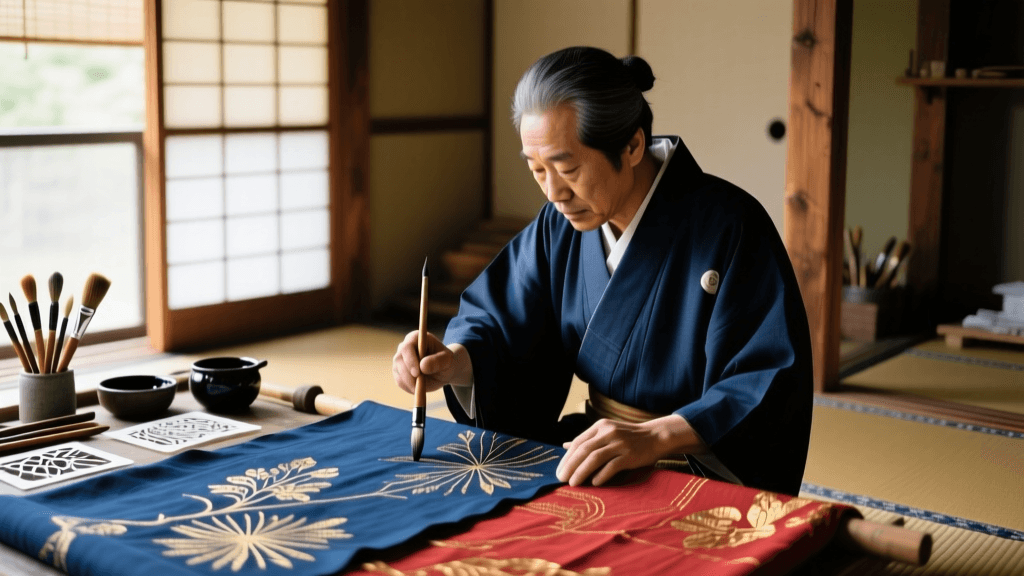
The modern revival is rooted in respect for the craftsmanship—the natural dyeing techniques, the hand-painted Yuzen silk, and the meticulous weaving of the Nishijin looms. By purchasing vintage, supporting traditional textile hubs like Kyoto and Kanazawa, and taking the time to understand the geometry of the garment, streetwear enthusiasts are not just adopting a trend; they are participating in the ongoing, living history of Japanese fashion. The haori and the kimono have survived centuries of social upheaval precisely because they are adaptable. In the hands of the modern streetwear community, they are being woven into the future.