Master Kyo-Yuzen Dyeing: Kyoto Artisan Workshop Guide
The Art of Kyo-Yuzen: Kyoto's Silk Dyeing Heritage
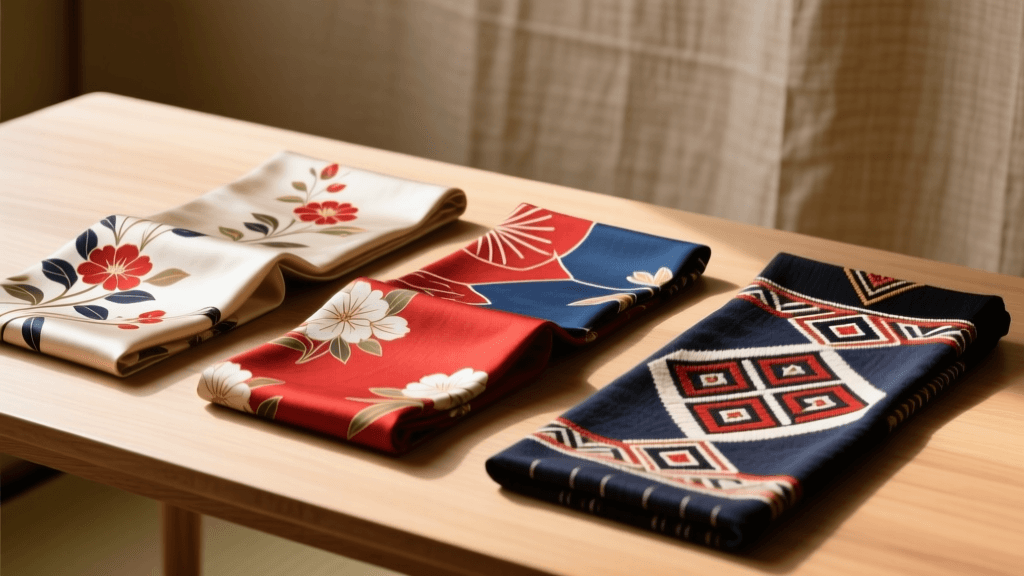
When discussing the zenith of Japanese textile arts, Kyo-Yuzen dyeing stands as a masterpiece of color, precision, and cultural storytelling. Originating in Kyoto during the late 17th century, this intricate resist-dyeing technique transformed the way garments were decorated, moving away from rigid woven patterns to fluid, painterly expressions on silk. Named after Miyazaki Yuzensai, a fan painter who first applied his artistic techniques to kosode (the predecessor to the modern kimono), Kyo-Yuzen allowed for an unprecedented explosion of color and design freedom. Today, the craft remains a vital pillar of Japanese traditional crafts, sustained by dedicated artisan workshops in Kyoto that welcome both apprentices and curious travelers to witness the magic of silk transformation.
According to the Ministry of Economy, Trade and Industry (METI), Kyo-Yuzen is officially designated as a Traditional Craft Product of Japan, a status that protects its methodologies and ensures that only pieces meeting strict, hand-crafted criteria can bear the name. This designation highlights the meticulous, multi-step process that can take months to complete for a single formal kimono.
'Yuzen dyeing is not merely the application of color to cloth; it is the disciplined orchestration of water, starch, and pigment to capture the fleeting beauty of nature on a canvas of silk.' — Master Artisan Proverb, Kyoto Nishijin District.
Inside the Artisan Workshop: The 5-Step Yuzen Process
To truly appreciate a Kyo-Yuzen garment, one must understand the grueling and beautiful workflow that occurs inside a traditional Kyoto dyeing studio. Unlike mass-produced textiles, authentic Yuzen requires a division of labor among specialized artisans, though smaller workshops often consolidate these roles. The Japan Kogei Association emphasizes that mastering even a single step of this process can take a decade of dedicated apprenticeship.
1. Shita-e (Underdrawing)
The process begins with the artisan sketching the design directly onto the white silk using aobana (dayflower) juice. This special ink is derived from the petals of the Asiatic dayflower and is entirely water-soluble. It allows the artisan to map out complex motifs—such as cascading cherry blossoms or flowing river currents—without leaving permanent marks, as it will completely wash away during the final rinsing stages.
2. Itome-nori (Resist Paste Application)
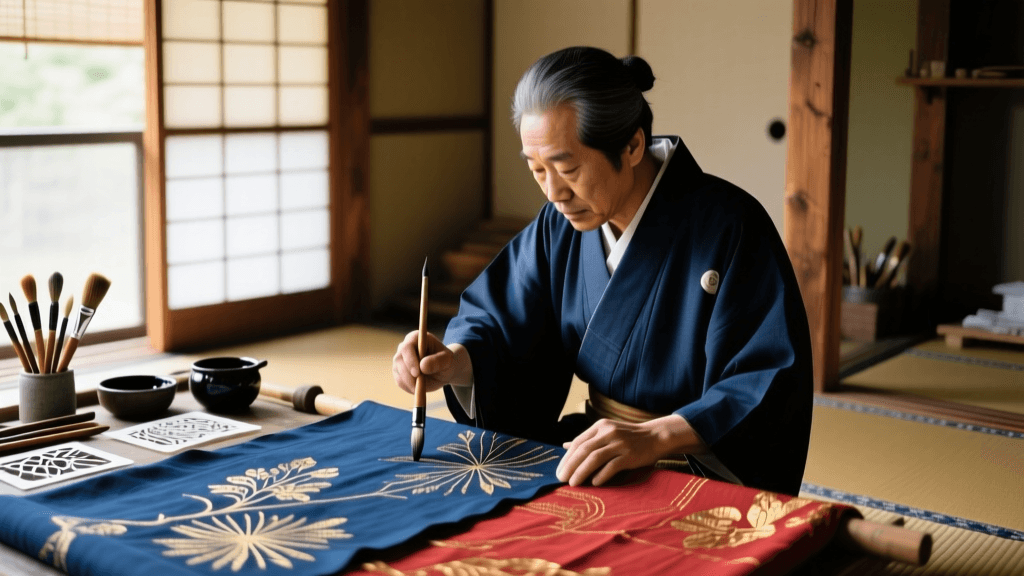
This is the defining step of Yuzen dyeing. Using a specialized metal-tipped cone, the artisan traces the underdrawing with itome-nori, a thick resist paste made from glutinous rice bran, pine soot, and camphor. This paste acts as a dam, creating crisp, white outlines that prevent adjacent colors from bleeding into one another. The precision required here is staggering; lines are often drawn less than a millimeter thick.
3. Ji-ire (Sizing)
Before coloring, the silk is treated with a sizing agent called gojiru, a natural liquid extracted from soybean milk. This protein-rich coating prepares the silk fibers to absorb dyes evenly and prevents the colors from feathering or spreading beyond the resist-paste boundaries. The fabric is then stretched on a wooden frame (hari) and left to dry in a climate-controlled room.
4. Iro-sashi (Coloring and Shading)
Artisans apply vibrant synthetic or natural dyes using fine brushes. Kyo-Yuzen is famous for its 'bokashi' (gradation) technique, where colors are expertly blended from dark to light within a single motif to create three-dimensional depth. After coloring, the garment is steamed at exactly 100°C for 30 to 40 minutes. This crucial step opens the silk fibers and permanently fixes the dye molecules into the fabric.
5. Yuzen-nagashi (Washing and Finishing)
Historically, artisans would wash the dyed silk in the cold, flowing waters of the Kamo River, a practice known as Yuzen-nagashi, which created a stunning visual spectacle of colorful fabrics floating in the water. Today, due to environmental regulations, this is done in specialized indoor water tanks. The washing removes the rice-paste resist and the dayflower ink, revealing the brilliant, crisp white outlines against the vibrant colors. Finally, the silk is dried and sometimes embellished with gold leaf or embroidery.
Experiencing Yuzen: A Practical Guide for Visitors
For textile enthusiasts and travelers, participating in a Yuzen workshop is an unparalleled way to connect with Japanese heritage. While creating a full kimono is impossible for a tourist, many studios offer scaled-down experiences where you can dye accessories using authentic techniques. Below is a comparison of typical workshop experiences available in Kyoto.
| Workshop Tier | Duration | Approx. Cost (JPY) | Output Item | Techniques Covered |
|---|---|---|---|---|
| Introductory Museum Class | 1.5 - 2 Hours | ¥2,000 - ¥3,500 | 35cm Silk Handkerchief | Pre-drawn stencils, basic brush coloring (Iro-sashi) |
| Artisan Studio Half-Day | 3 - 4 Hours | ¥8,000 - ¥12,000 | 160cm Silk Scarf or Table Runner | Stenciling, resist paste application, custom color blending |
| Masterclass Full-Day | 6 - 8 Hours | ¥25,000 - ¥40,000 | 45cm Silk Fukusa (Gift Cover) | Freehand underdrawing, itome-nori piping, full bokashi shading |
Actionable Tips for Booking and Attending
Securing a spot in a genuine artisan workshop requires foresight and preparation. Here is practical advice to ensure a seamless experience:
- Book in Advance: Authentic studios are small, often accommodating only 2 to 6 guests per session. Book at least 4 to 6 weeks in advance, especially during peak tourist seasons (spring cherry blossom and autumn foliage seasons).
- Language Considerations: While major tourist hubs offer English instructions, smaller family-run studios may only speak Japanese. Booking through your hotel concierge or utilizing the Kyoto City Traditional Industries Museum booking portal ensures you get an English-speaking guide or translated visual manuals.
- Attire and Preparation: Wear dark, comfortable clothing that you do not mind getting stained. While the resist paste protects the silk, stray drops of sizing or dye can occur. Tie back long hair and avoid wearing dangling jewelry that could snag the delicate silk frames.
- Payment Methods: Many traditional workshops operate on a cash-only basis or accept domestic bank transfers. Always carry sufficient Japanese Yen (cash) to cover the workshop fee and any additional retail purchases.
- Shipping Your Creation: Items like scarves and fukusa need to be steamed and dried post-dyeing, which takes 24 to 48 hours. Do not expect to take your finished piece home the same day. Studios will ship your item to your Japanese hotel or international address for an additional fee (usually ¥1,500 - ¥3,000 domestic, ¥4,000+ international).
Caring for Your Hand-Dyed Yuzen Silk
If you purchase an authentic Kyo-Yuzen garment or accessory, proper care is essential to preserve the vibrancy of the dyes and the integrity of the silk. Hand-dyed silk is highly sensitive to environmental factors and improper cleaning.
Cleaning and Maintenance
Never attempt to hand-wash or machine-wash authentic Yuzen silk. Water can cause the dyes to bleed, and the friction will damage the delicate fibers. Always seek out a professional dry cleaner who specializes in traditional Japanese garments (known as a 'kimono洗いや' or kimono araiya). For minor surface dust, gently shake the garment outdoors in the shade.
Storage Guidelines
Store your Yuzen silk in a cool, dark, and well-ventilated area. Direct sunlight will rapidly fade the intricate bokashi shading. Wrap the silk in acid-free tissue paper or traditional 'tatogami' (specialized kimono wrapping paper) to prevent creasing and protect it from dust. Avoid plastic garment bags, as they trap moisture and can lead to mold growth or yellowing of the silk. Include natural desiccants and camphor blocks in your storage drawer to deter insects, but ensure these do not directly touch the fabric to avoid chemical staining.
Preserving the Craft for Future Generations
The future of Kyo-Yuzen relies heavily on consumer appreciation and the transmission of skills to younger generations. By participating in workshops, purchasing directly from certified artisans, and sharing the stories behind these textiles, visitors play a direct role in sustaining this vital piece of Asian cultural heritage. The next time you drape a hand-dyed Yuzen silk scarf around your shoulders, remember the river water, the rice paste, and the steady hand of the Kyoto artisan that brought it to life.