Regional Japanese Textiles: Kaga, Bingata, and Attus
Introduction to Japan's Regional Textile Heritage
While the kimono is universally recognized as Japan's national garment, the textiles, dyeing techniques, and weaving traditions that comprise it are deeply rooted in regional geography, climate, and local history. From the snow-heavy provinces of the north to the subtropical islands of the south, Japan's prefectures have cultivated distinct sartorial identities. Understanding these regional variations is essential for collectors, practitioners of kitsuke (the art of dressing), and cultural enthusiasts alike. As noted by the Metropolitan Museum of Art, the evolution of Japanese textile arts is a direct reflection of regional resources and the historical trade routes that connected isolated prefectures to the broader Asian continent.
This guide explores three highly distinct regional textile traditions—Ishikawa's Kaga Yuzen, Okinawa's Ryukyu Bingata, and Hokkaido's Ainu Attus—providing actionable advice on identification, commissioning, and care.
Kaga Yuzen: The Warrior-Class Elegance of Ishikawa
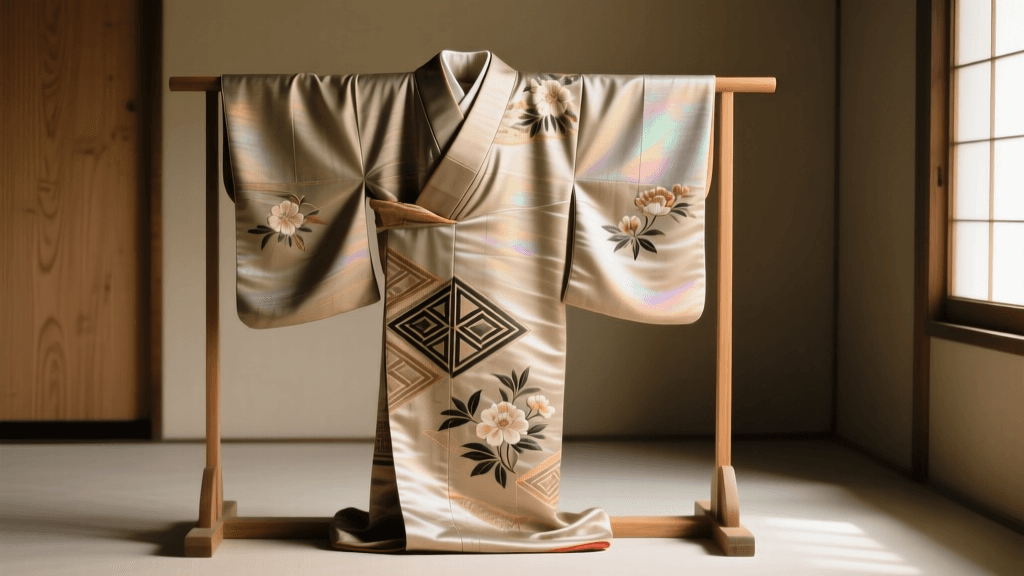
Originating in Kanazawa, Ishikawa Prefecture, Kaga Yuzen was developed during the Edo period under the patronage of the wealthy Kaga domain. Unlike the stylized and often opulent Kyo Yuzen of Kyoto, Kaga Yuzen is characterized by its pictorial realism and subdued, natural elegance, reflecting the tastes of the samurai class and the region's rugged landscapes.
Identifying Kaga Yuzen
Authentic Kaga Yuzen is defined by the Kaga Gosai (the five traditional colors): indigo, crimson, ochre, grass green, and deep purple. A hallmark of this regional style is the mushikui motif, which depicts insect-eaten leaves or fading flowers, embracing the wabi-sabi philosophy of impermanence. Furthermore, artisans use itome-nori (a fine, thread-like resist paste) which leaves delicate white outlines around motifs, preventing colors from bleeding into one another.
Practical Advice: Commissioning and Pricing
- Cost: A genuine, hand-painted Kaga Yuzen kimono is a luxury investment. Expect to pay between ¥400,000 and ¥1,500,000 ($2,500 to $10,000 USD).
- Timing: Custom commissions require 4 to 8 months, as a single garment may involve the collaborative work of multiple specialized artisans (designers, resist-paste applicators, dyers, and embroiderers).
- Verification: Always look for the artisan's stamp or a certificate of authenticity from the Ishikawa Kaga Yuzen Center. The Japan National Tourism Organization highly recommends visiting Kanazawa's craft villages to purchase directly from recognized workshops.
Ryukyu Bingata: Okinawa’s Vibrant Resist-Dyeing
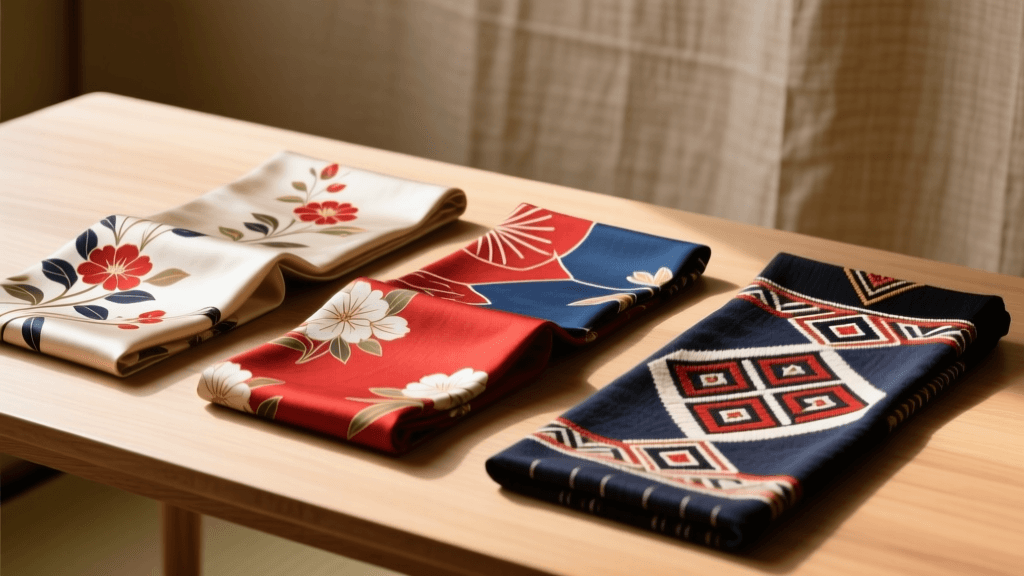
Far to the south, the Ryukyu Kingdom (modern-day Okinawa Prefecture) developed Bingata, a spectacular stencil resist-dyeing technique. Influenced by centuries of maritime trade with China, Southeast Asia, and Java, Bingata textiles are a vibrant departure from mainland Japanese aesthetics, featuring bold colors and tropical motifs.
Identifying Ryukyu Bingata
Bingata is created using carved mulberry paper stencils (higaki) and a soybean milk resist. The defining visual feature is kumadori, a shading technique where pigments are rubbed into the fabric with a stiff brush, creating a gradient effect within the stenciled shapes. Historically, brilliant yellow dyes (derived from the Fukugi tree or imported turmeric) were strictly reserved for Ryukyuan royalty, while commoners wore cooler blues and blacks.
Practical Advice: Sourcing and Styling
- Best Use: Due to Okinawa's subtropical climate, Bingata is most commonly applied to lightweight silk hitoe (unlined kimono) or high-quality cotton yukata. It is highly recommended for summer festivals and warm-weather tea ceremonies.
- Cost: Hand-dyed silk Bingata kimono range from ¥150,000 to ¥400,000. Mass-produced stencil-printed versions for tourists can be found for ¥20,000, but lack the kumadori depth.
- Care: The pigments used in traditional Bingata are sensitive to high alkalinity. Never wash authentic Bingata at home; always use a specialized kimono dry cleaner (kimono arai) familiar with Okinawan dyes.
Ainu Attus: The Sustainable Bast-Fibers of Hokkaido
In the northernmost prefecture of Hokkaido, the Indigenous Ainu people developed a completely different textile tradition, born from the necessity of surviving harsh, snowy winters. Unlike the silk-centric mainland, traditional Ainu garments were woven from plant bast fibers and animal skins.
Identifying Attus
Attus is a thick, durable cloth woven from the inner bark of the Manchurian elm tree (ohyo). The bark is soaked, split into fine threads, and woven on a backstrap loom. The resulting fabric is highly water-resistant, breathable, and incredibly strong. While everyday Attus was plain, ceremonial garments were adorned with intricate cotton appliqué and embroidery in spiraling, thorn-like motifs designed to ward off evil spirits.
Practical Advice: Modern Acquisition
- Availability: Full Attus kimono are exceptionally rare and mostly housed in museums like the Victoria and Albert Museum or Hokkaido's historical archives. However, modern Ainu artisans create stunning haori (jackets), obi (sashes), and accessories using traditional Attus weaving.
- Cost: Handwoven Attus obi or haori typically cost between ¥50,000 and ¥120,000.
- Styling: An Attus obi provides a striking, rustic contrast when paired with a simple, solid-colored mainland silk kimono, bridging the gap between Indigenous heritage and contemporary Japanese fashion.
Comparative Guide: Regional Textile Data Table
| Region / Prefecture | Textile Name | Primary Fiber | Key Technique | Price Range (JPY) |
|---|---|---|---|---|
| Ishikawa (Honshu) | Kaga Yuzen | Silk (Chirimen/Habutae) | Hand-painted resist dyeing | ¥400,000 - ¥1,500,000 |
| Okinawa (Kyushu/Ryukyu) | Ryukyu Bingata | Silk / Cotton / Bashofu | Stencil resist & Kumadori | ¥150,000 - ¥400,000 |
| Niigata (Honshu) | Ojiya-chijimi | Ramie (Choma) | Crepe weaving & Snow bleaching | ¥200,000 - ¥600,000 |
| Hokkaido | Ainu Attus | Elm Bark Bast | Backstrap loom weaving | ¥50,000 - ¥120,000 (Accessories) |
Practical Guide to Sourcing and Custom Measurements
When commissioning regional textiles like Kaga Yuzen or Ojiya-chijimi, understanding your precise kitsuke measurements is critical. Unlike Western tailoring, kimono are measured based on the bolt width and specific body ratios.
- Mitake (Back Length): Measured from the base of the neck to the ankle. Standard modern length is usually your height minus 20-25 cm.
- Yuki (Sleeve Length): Measured from the center back of the neck, over the shoulder, down to the wrist bone. This ensures the sleeve falls correctly over the hand.
- Kurikoshi (Neck Placement): The distance from the center back to the shoulder seam. A proper kurikoshi prevents the collar from slipping backward, a common issue for those with broader shoulders or different postures.
Always provide these measurements to the shitateya (tailor) when ordering a custom bolt. For regional summer textiles like Ojiya-chijimi (a crepe linen from Niigata), ensure the tailor accounts for the fabric's slight shrinkage after the first professional cleaning.
Care and Storage of Regional Garments
Preserving regional textiles requires an understanding of their specific material vulnerabilities. Silk Kaga Yuzen must be protected from direct sunlight to prevent the natural dyes from fading. Store your garments flat, folded along their original seam lines, inside acid-free tatoushi (traditional paper wrappers). Avoid plastic covers, which trap humidity and encourage mold growth.
For bast-fiber garments like Ainu Attus or Okinawan Bashofu, humidity control is paramount. Use natural camphor or shikimushi (anti-insect herbs) specifically formulated for plant fibers, as standard mothballs contain chemicals that can degrade natural bast threads over time. Air your garments out during the dry, crisp days of late autumn to ensure longevity.
Conclusion
Japan's traditional garments are not a monolith; they are a tapestry of regional ingenuity. Whether you are investing in the meticulous, nature-inspired brushwork of Ishikawa's Kaga Yuzen, the sun-drenched stencils of Okinawan Bingata, or the resilient, earth-bound weaving of Hokkaido's Ainu Attus, you are preserving a distinct geographical narrative. By understanding the origins, proper measurements, and specialized care required for these regional textiles, collectors and wearers can ensure these magnificent prefecture-specific traditions continue to thrive in the modern era.