A Traveler's Guide to China's Hanfu and Silk Museums
The Intersection of Ancient Craft and Modern Revival
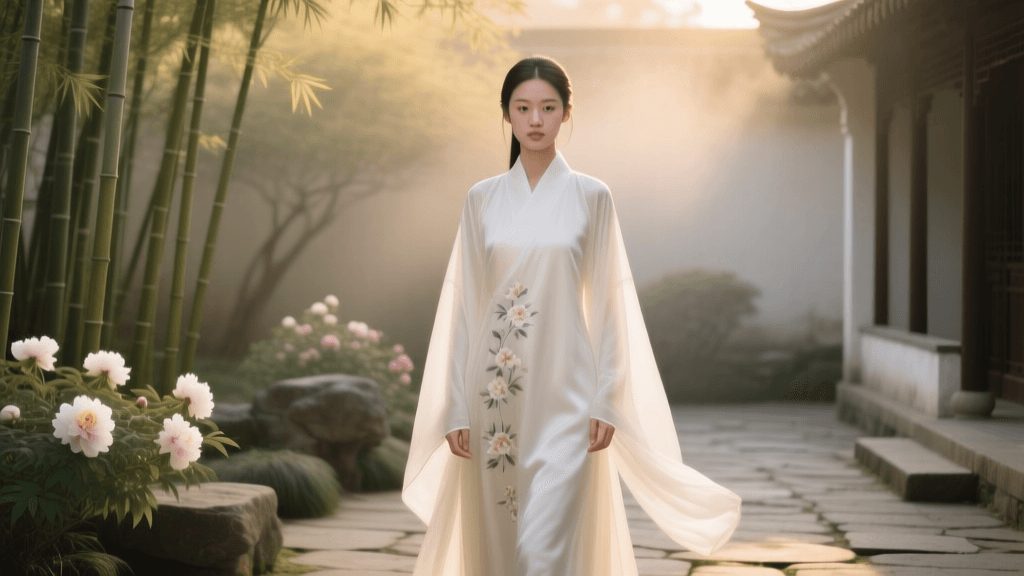
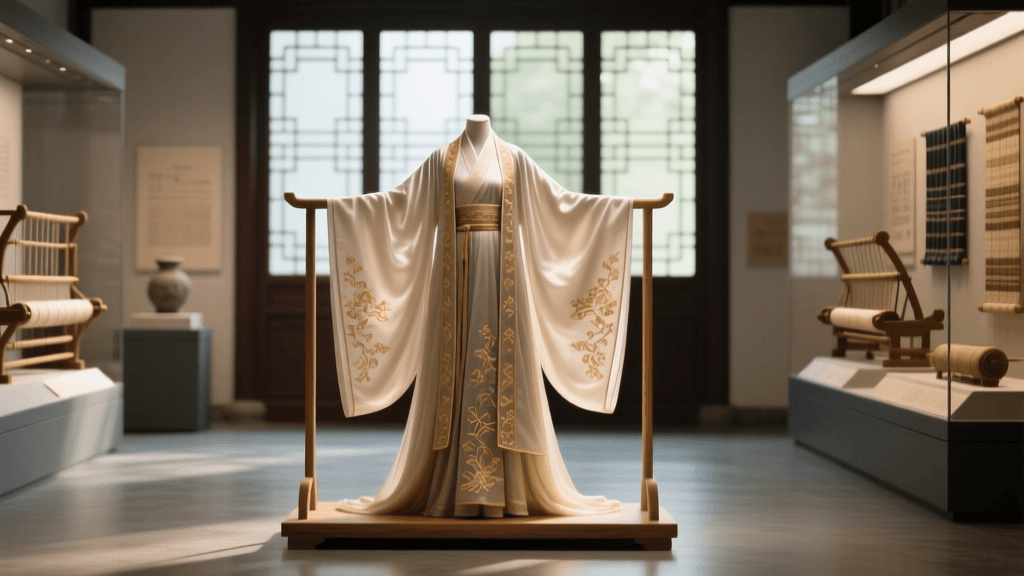
The global resurgence of traditional Chinese clothing, known as the Hanfu movement, has transformed how millions engage with China’s sartorial history. While social media platforms are flooded with stunning street-style photography and festival vlogs, the true foundational knowledge of these garments lies within China’s world-class textile and silk museums. For the serious Hanfu enthusiast, cultural traveler, or fashion historian, visiting these heritage sites is not just an educational endeavor; it is a pilgrimage to the source of the dyes, weaves, and silhouettes that define East Asian fashion history.
As noted by the Metropolitan Museum of Art, silk production in China dates back to the Neolithic period, evolving over millennia into a highly complex system of sericulture, weaving, and tailoring that dictated social hierarchy, ritual protocol, and global trade. Today, China’s premier museums serve as the guardians of this legacy, preserving fragile archaeological textiles and maintaining the intangible heritage of traditional loom weaving. The traditional techniques used to create these textiles are so vital to human history that UNESCO recognizes Chinese sericulture and silk craftsmanship as an Intangible Cultural Heritage of Humanity.
This guide will take you through the three most essential museums for Hanfu and textile enthusiasts, providing actionable travel advice, exhibition highlights, and etiquette tips for the modern heritage traveler.
Top 3 Museums for Hanfu and Textile Enthusiasts
1. China National Silk Museum (Hangzhou)
Located at the southern foot of Jade Emperor Hill near the West Lake, the China National Silk Museum (CNSM) is the largest silk museum in the world. For Hanfu historians, this institution is the ultimate authority. The museum’s "Chinese Silk" gallery traces the evolution of textiles from the Han Dynasty’s lightweight gauzes to the heavy, ornate brocades of the Ming and Qing dynasties.
Exhibition Highlights: The CNSM frequently hosts special exhibitions featuring archaeological replicas, such as the legendary Mawangdui Han Dynasty garments. Their conservation lab is also visible to the public, offering a rare glimpse into how experts stabilize 2,000-year-old silk fibers. The museum grounds themselves are designed like a traditional Jiangnan garden, making it a premier location for Hanfu photography.
Practical Details:
- Admission: Free (Requires advance booking via the official WeChat Mini Program).
- Time Needed: 3 to 4 hours.
- Best Time to Visit: April to May, when the West Lake region is blooming and the museum hosts its annual Silk Culture Festival.
2. Suzhou Silk Museum
Suzhou has been the epicenter of China’s fine silk production for over a thousand years, particularly famous for Song Brocade and Su embroidery. The Suzhou Silk Museum offers a more intimate, craft-focused experience compared to the sprawling CNSM in Hangzhou. Here, the focus is on the mechanical genius of traditional weaving.
Exhibition Highlights: The museum’s live demonstration area is its crown jewel. Master weavers operate traditional wooden draw-looms to create complex damasks and brocades. For Hanfu makers and tailors, observing the tension and thread-count management on these antique looms provides invaluable insight into why historical fabrics drape and move the way they do. The museum shop also sells authentic, small-batch silk fabrics that are perfect for bespoke Hanfu commissions.
Practical Details:
- Admission: Free (Passport required for entry).
- Time Needed: 2 hours.
- Best Time to Visit: Early morning on a weekday to avoid school tour groups and get unobstructed views of the loom demonstrations.
3. Chengdu Shu Brocade Museum
Sichuan province is the historical home of Shu Brocade, one of the most celebrated and ancient weaving techniques in China. The Chengdu Shu Brocade Museum is dedicated entirely to this vibrant, color-rich textile that was highly prized during the Tang Dynasty. These garments were the primary drivers of the ancient trade networks documented by the UNESCO Silk Roads Programme, connecting the Sichuan basin to Central Asia and beyond.
Exhibition Highlights: The museum showcases the intricate jacquard looms required to produce Shu Brocade’s signature geometric and floral patterns. The "History of Shu Brocade" hall displays stunning reproductions of Tang Dynasty round-collar robes and Ming Dynasty mamianqun (horse-face skirts) woven with authentic techniques.
Practical Details:
- Admission: Approximately 60 RMB.
- Time Needed: 2.5 hours.
- Best Time to Visit: Autumn, pairing your visit with the nearby Jinli Ancient Street for a full day of traditional culture.
Museum Comparison & Traveler's Guide
To help you plan your textile heritage itinerary, refer to the comparison table below. This chart breaks down the logistical and thematic differences between the three major institutions.
| Museum Name | Location | Primary Textile Focus | Admission Cost | Nearest Metro / Transit | Hanfu Rental Nearby |
|---|---|---|---|---|---|
| China National Silk Museum | Hangzhou | Comprehensive Silk History, Archaeological Textiles | Free | Bus/Taxi from Ding'an Road Station | High (West Lake area is a rental hub) |
| Suzhou Silk Museum | Suzhou | Song Brocade, Live Loom Weaving, Su Embroidery | Free | Beisi Pagoda Station (Line 4) | Medium (Guanqian Street area) |
| Chengdu Shu Brocade Museum | Chengdu | Shu Brocade, Tang/Song Pattern Reconstruction | ~60 RMB | Tonghuimen Station (Line 2) | High (Jinli Street & Kuanzhai Alley) |
Decoding the Weaves: What to Look For in the Display Cases
When walking through the dimly lit, climate-controlled galleries of these museums, knowing the specific terminology of traditional Chinese weaves will vastly improve your appreciation of the garments on display. Here is a structured list of the three most important historical weaves to seek out:
- Luo (Gauze): Characterized by its open, mesh-like structure created by twisting warp threads. Historically used for summer Hanfu, particularly the translucent outer layers of Song Dynasty garments. Look for the delicate, breathable texture that allowed for layering without overheating.
- Kesi (Cut Silk Tapestry): A highly complex weaving technique where the weft threads are cut and turned back at the edges of color blocks, creating a carved, painterly effect. Often used for imperial dragon robes and high-status Ming Dynasty accessories. Notice the slight slits between color fields, a hallmark of authentic Kesi.
- Jin (Brocade): A heavy, multi-colored fabric woven with supplementary weft threads, often incorporating gold or silver metallic threads. Shu, Song, and Yun brocades are the three most famous varieties. Look for the raised, embossed appearance of the patterns, which gave historical mamianqun their structural stiffness and luxurious drape.
Actionable Tips for the Hanfu-Clad Traveler
Visiting a textile museum while wearing Hanfu is a deeply immersive experience, and many of these institutions actively encourage it. However, preserving the artifacts requires strict adherence to museum etiquette.
Renting and Styling Your Garments
If you are traveling without your own wardrobe, you can rent high-quality Hanfu near these museums. Expect to pay between 150 to 400 RMB for a full-day rental, which typically includes the garment set, basic hair styling, and accessories. Pro Tip: When visiting the Chengdu Shu Brocade Museum, try to rent a Ming Dynasty-style mamianqun (horse-face skirt) made of brocade to visually echo the textiles inside the exhibition halls.
Photography and Preservation Etiquette
Textiles are incredibly sensitive to light. The dyes used in historical garments—often derived from plants like indigo, madder, and safflower—will degrade rapidly if exposed to intense light.
- Never Use Flash: Flash photography is strictly prohibited in all textile galleries. The sudden burst of high-intensity light causes micro-fissures in ancient silk proteins.
- Respect the Lux Limits: Museums keep exhibition lighting below 50 lux to protect the artifacts. Do not press your face or phone against the glass, as oils and condensation can damage the seals of the display cases.
- No Tripods or Selfie Sticks: The galleries are often narrow and crowded. Swinging a selfie stick in a room filled with priceless, fragile textiles is a major safety hazard and will result in immediate intervention by security.
- Mind Your Sleeves: If you are wearing wide-sleeved Hanfu (such as a Tang Dynasty dahuanshou or a Ming Dynasty pifeng), be highly conscious of your spatial awareness. Brushing your silk sleeves against display cases or other visitors can cause snags and damage to both your rental and the museum environment.
Seasonal Exhibitions and Cultural Festivals
To maximize your visit, align your travel dates with traditional Chinese festivals, during which these museums host specialized workshops and extended hours. The Qixi Festival (Chinese Valentine's Day, usually in August) is heavily tied to the legend of the Weaver Girl, and the Suzhou Silk Museum often hosts traditional needle-threading competitions and embroidery workshops. Similarly, the Huazhao Festival (Flower Festival in early spring) sees the China National Silk Museum collaborate with local Hanfu societies for floral-dyeing workshops and outdoor fashion parades among the West Lake willows.
Conclusion
Exploring China’s Hanfu and silk heritage museums bridges the gap between the digital aesthetic of the modern Hanfu movement and the profound, tangible history of East Asian craftsmanship. Whether you are marveling at the sheer weight of a Ming Dynasty brocade skirt in Chengdu, listening to the rhythmic clack of a wooden draw-loom in Suzhou, or studying the conservation of Han Dynasty gauze in Hangzhou, these institutions offer an indispensable education. By planning your visit carefully, respecting preservation protocols, and engaging deeply with the textiles on display, you participate in the ongoing story of one of the world’s greatest sartorial traditions.