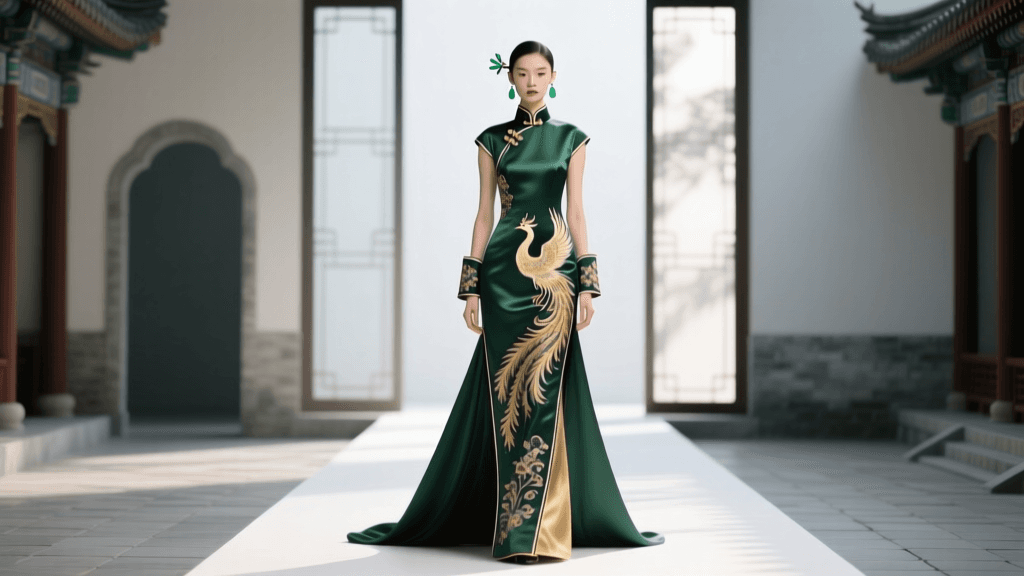
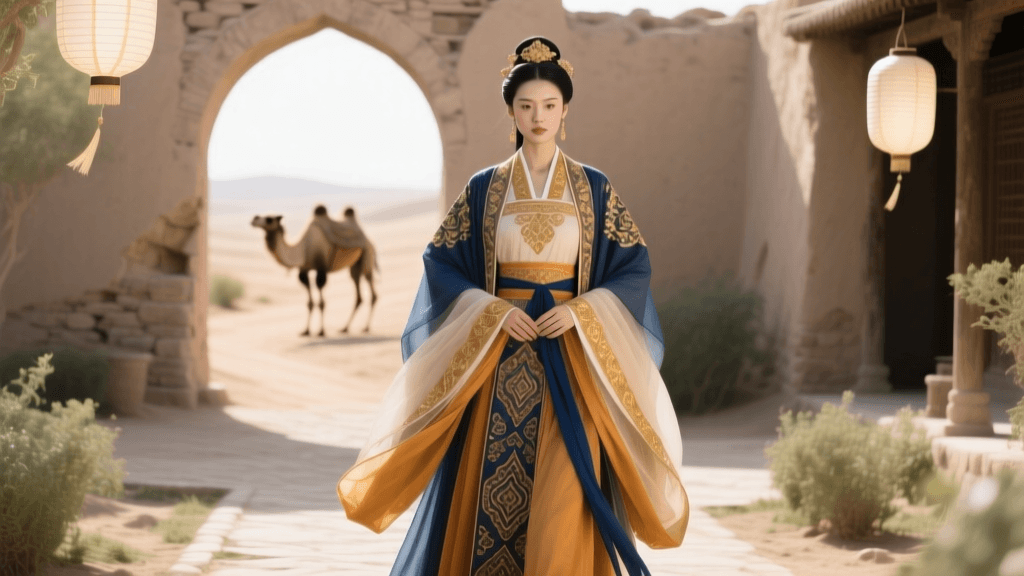
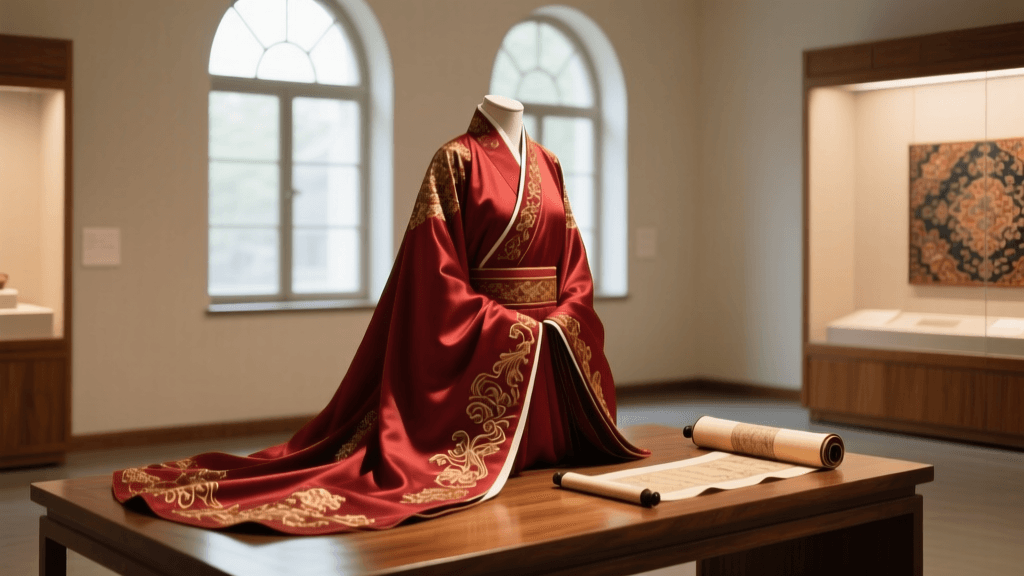
The Hanfu Revival: A Beginner's Guide to Buying and Styling
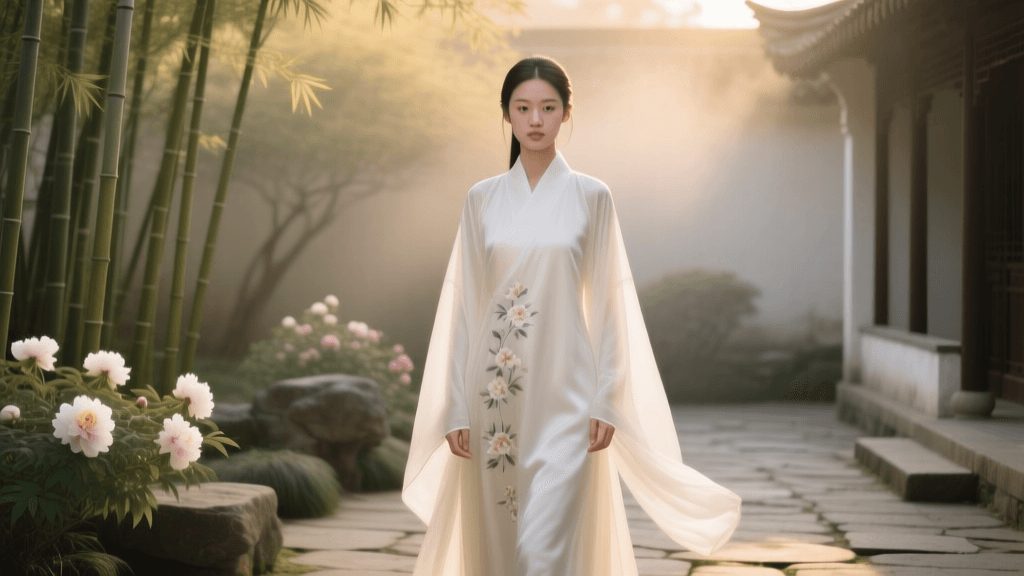
The Rise of the Hanfu Revival Movement
The Hanfu revival movement, known in Chinese as Hanfu Yundong, is far more than a fleeting fashion trend; it is a profound cultural renaissance among China's youth. Originating in the early 2000s, the movement began when a man named Wang Letian wore traditional Han clothing in public in Zhengzhou, sparking widespread internet discussions about Han cultural identity and historical dress. According to historical analyses of the Hanfu Movement, what started as a niche interest on early web forums has blossomed into a multi-billion-dollar industry driven by Generation Z, social media platforms like Douyin and Xiaohongshu, and a growing desire to reconnect with pre-Qing dynasty aesthetics.
Today, seeing young people wearing flowing silk robes, pleated skirts, and intricate hairpieces on the streets of Chengdu, Xi'an, and Beijing is a common and celebrated sight. As noted by BBC Culture, the modern Hanfu boom represents a unique intersection of historical appreciation, national pride, and contemporary street fashion. For those looking to participate in this vibrant cultural revival, purchasing and styling your first Hanfu set can seem daunting. This guide provides actionable, practical advice to help you navigate measurements, brand selections, and styling techniques.
Understanding the Core Styles of Hanfu
Hanfu encompasses thousands of years of history, but the modern revival primarily focuses on three distinct dynastic styles. Understanding these silhouettes is crucial for selecting a garment that fits your lifestyle and body type.
1. Tang Dynasty: Qixiong Ruqun (Chest-High Skirt)
Characterized by its high-waisted skirt tied above the bust, the Tang style is romantic, voluminous, and heavily influenced by Silk Road cosmopolitanism. It often features wide, flowing sleeves and vibrant, contrasting colors. Practical Advice: If you have a larger bust, the Qixiong Ruqun can be difficult to secure and may slip down. Beginners with this body type should use hidden suspenders or safety pins, or opt for a different dynastic style.
2. Song Dynasty: Beizi and Baizhequn (Jacket and Pleated Skirt)
Song dynasty clothing is celebrated for its minimalist elegance, slender silhouettes, and understated color palettes. The Beizi is a long, open-front jacket worn over a camisole and a slender pleated skirt. This style is highly practical for modern daily wear, as the long jacket provides a flattering, elongating effect and can easily be layered over modern turtlenecks in the winter.
3. Ming Dynasty: Aoqun and Mamianqun (Jacket and Horse-Face Skirt)
The Ming dynasty aesthetic is currently the undisputed king of the Hanfu revival. The Mamianqun (horse-face skirt) features flat panels at the front and back with deep pleats on the sides. Paired with an Ao (a lined jacket with a stand-up collar and metal clasps), this style is structured, modest, and incredibly versatile. The Mamianqun has even crossed over into modern corporate fashion, with many young professionals pairing traditional woven skirts with crisp white office blouses.
Sizing and Measurements: The Taobao Ecosystem
Unlike Western fashion, which relies on standardized S/M/L sizing based on 3D body contours, traditional Hanfu is based on flat pattern-making. Garments are cut from straight pieces of fabric, meaning the fit is highly adjustable and relies heavily on tying and wrapping. However, because most authentic Hanfu is purchased via Chinese e-commerce platforms like Taobao, understanding specific Chinese measurement terms is essential.
| Measurement Term | How to Measure | Hanfu Application |
|---|---|---|
| Bust (Xiongwei) | Measure around the fullest part of your chest, keeping the tape level. | Crucial for Tang dynasty chest-high skirts and Ming dynasty jackets to ensure proper fabric overlap (Jiaoling Youren). |
| Waist (Yaowei) | Measure around the narrowest part of your natural torso. | Used primarily for tying skirt waistbands and securing sashes. |
| Height (Shengao) | Measure from the crown of your head to the floor while barefoot. | Determines skirt length (Qunchang). A standard skirt is usually 100-105cm; taller buyers must seek custom lengths to avoid tripping. |
| Arm Span (Tongxiu) | Measure from one wrist bone to the other with arms fully outstretched. | Dictates sleeve length. Formal Hanfu requires sleeves that extend past the fingertips, while daily wear (Bianfu) stops at the wrist. |
Actionable Tip: Always keep a digital note of your measurements in centimeters (cm) on your phone. Taobao sellers rarely use inches, and providing your exact height and bust measurements to customer service via AliWangWang (Taobao's chat app) will yield the best size recommendation.
Budgeting, Brands, and the Pre-Sale System
The Hanfu market is vast, catering to every budget. Here is a breakdown of what to expect regarding costs and reputable brands:
- Entry-Level ($30 - $60 USD): Brands like Hanshang Huazao offer affordable, visually striking sets made from polyester blends. These are excellent for beginners, conventions, and photography, though they lack breathability in summer.
- Mid-Tier ($80 - $150 USD): Shisanyu (十三余) and Zhongling (钟灵记) dominate this space. Shisanyu is famous for its cinematic, story-driven collaborations (such as Disney or Sanxia themes), while Zhongling excels in elegant, historically inspired Song and Ming pieces with better fabric quality.
- High-End & Replica ($300 - $1,000+ USD): Minghuatang (明华堂) is the gold standard for Ming dynasty clothing. Utilizing authentic silk jacquard weaves and genuine gold-leaf threads, their garments are museum-quality investments. The historical accuracy of such textiles aligns with the preservation efforts seen in major exhibitions like the Met Museum's China: Through the Looking Glass, which highlighted the profound impact of traditional Chinese textiles on global fashion.
Navigating the 'Yushou' (Pre-Sale) System
When shopping on Taobao, you will frequently encounter the term Yushou (预售), meaning pre-sale. Because Hanfu brands produce in small batches to minimize waste and manage intricate embroidery, they operate on a pre-order model. You pay a deposit (usually 10-20% of the total cost), and the brand manufactures the garment. Timing: Expect a wait time of 30 to 45 days before the final payment is due and the item ships. Plan your purchases around major shopping festivals like 6.18 (June 18th) or Singles' Day (November 11th) to secure discounts and bundled shipping.
Styling and Accessorizing Your Hanfu
A Hanfu outfit is incomplete without the proper accessories. Modern revivalists blend historical accuracy with contemporary convenience to create stunning looks.
- Hair and Headpieces: Traditional updos are essential. For beginners, purchasing a pre-styled faux hair bun (Jiafa) that clips onto your natural hair is a massive time-saver. Accessorize with a Zan (a single-prong hairpin) featuring jade, enamel, or velvet flowers. Avoid cheap plastic; opt for resin or glass beads for an authentic look.
- Footwear: While traditional cloud shoes (Yunxie) with upturned toes are historically accurate, they can be uncomfortable for long walks. Modern Hanfu enthusiasts frequently pair their outfits with neutral-colored loafers, ballet flats, or even clean white sneakers for a streetwear fusion look.
- Undergarments: Never wear Hanfu without the proper base layers. A white cotton Zhongyi (inner garment) protects the outer silk from sweat and oils, while providing the necessary collar layering that is a hallmark of traditional Chinese dress.
Caring for Your Traditional Textiles
Proper maintenance ensures your garments last for years. Most entry-level and mid-tier Hanfu are made from polyester chiffon or jacquard, which are machine washable on a gentle, cold cycle. However, if you invest in silk, brocade, or garments with heavy metallic embroidery, dry cleaning is mandatory. When storing your Hanfu, avoid wire hangers, which will distort the flat-cut shoulders. Use padded wooden hangers for jackets, and fold skirts along their natural pleat lines, storing them flat in breathable cotton garment bags to prevent dust accumulation and moisture damage.
Conclusion
The Hanfu revival movement is a living, breathing testament to the enduring beauty of Asian traditions. By understanding the historical context, mastering the unique measurement systems, and engaging with the modern Taobao ecosystem, anyone can respectfully and beautifully participate in this cultural renaissance. Whether you are walking through a bamboo forest in a flowing Tang dynasty robe or commuting to the office in a structured Ming dynasty Mamianqun, wearing Hanfu is a powerful way to carry centuries of artistry into the modern world.