Sustainable Kimono Production: Eco-Friendly Dyes and Ethical Silk
The Hidden Environmental Cost of Fast-Fashion Kimonos
When we think of the kimono, we often envision a timeless, elegant garment deeply rooted in Japanese heritage. However, the modern kimono industry is not immune to the environmental pitfalls of global fast fashion. Today, a significant portion of entry-level kimonos sold to tourists and casual wearers are mass-produced using synthetic polyester and petroleum-based chemical dyes. These garments, while affordable, contribute to microplastic pollution and rely on energy-intensive manufacturing processes.
Furthermore, traditional chemical dyeing techniques, while beautiful, can pose severe ecological risks if not managed correctly. For instance, the famous Kaga Yuzen dyeing process in Ishikawa Prefecture historically resulted in chemical runoff into local river systems, prompting strict environmental regulations and a push toward sustainable water treatment. As global consumers become more eco-conscious, a vital movement is emerging within the Japanese textile industry: a return to sustainable kimono production, championing natural dyes, ethical silk, and the upcycling of heritage garments.
Ai-zome and Botanical Dyes: The Renaissance of Natural Color
At the forefront of sustainable kimono production is the revival of natural dyeing, or shokubutsu senshoku. Unlike synthetic dyes that rely on heavy metals and petrochemicals, natural dyes are derived from plants, minerals, and insects, offering a biodegradable and non-toxic alternative.
The Magic of Ai-zome (Natural Indigo)
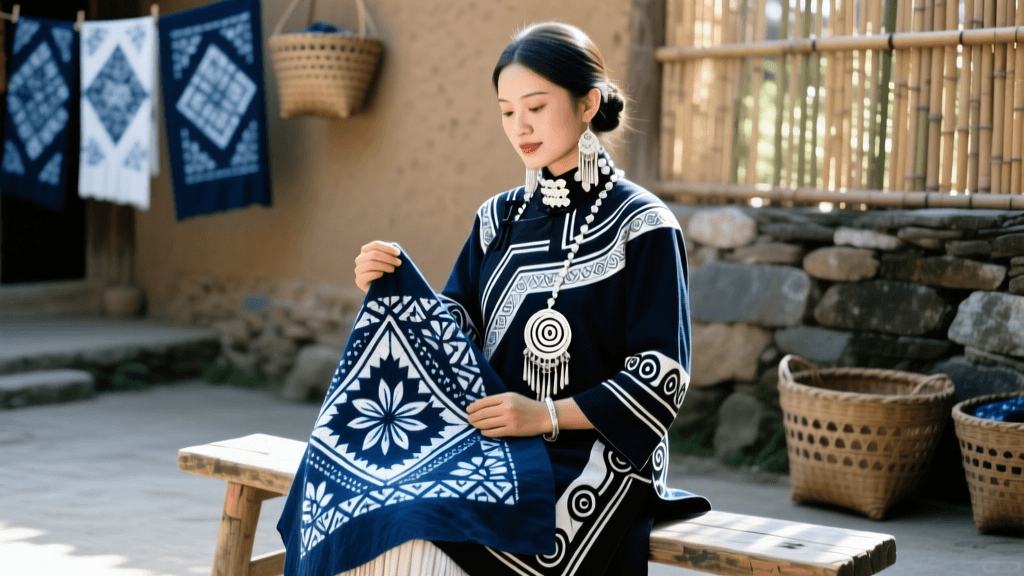
Ai-zome, or Japanese natural indigo dyeing, is perhaps the most celebrated sustainable textile practice in Japan. Cultivated primarily in Tokushima Prefecture, the indigo plant (Persicaria tinctoria) is fermented into a dye vat known as sukumo. According to cultural researchers and travel historians documenting Japan's ancient art of indigo dyeing, this fermentation process relies on natural alkaline agents like wood ash and sake, creating a living dye vat that requires daily care and feeding by the artisan.
Kimono dyed in genuine Ai-zome possess natural antibacterial properties, repel insects, and offer UV protection. Moreover, the color deepens with wear and washing, developing a unique patina that synthetic indigo cannot replicate. To identify genuine Ai-zome, rub a damp white cloth against the fabric; natural indigo will transfer slightly and emit an earthy, fermented aroma, whereas synthetic dyes will not bleed and smell of chemicals.
Botanical Alternatives: Benibana and Mud-Dyeing
Beyond indigo, artisans utilize Benibana (safflower) to produce vibrant reds and pinks, and Enju (Japanese pagoda tree) for rich yellows. In Kagoshima, the legendary Oshima Tsumugi silk is dyed using the bark of the Teichi tree and iron-rich mud, a completely natural process that yields a deep, lustrous black without a single drop of synthetic dye.
Ethical Silk and the Power of Upcycled Textiles
The production of conventional silk involves boiling silkworm cocoons with the pupae inside to harvest the continuous filament. For eco-conscious and vegan consumers, this presents an ethical dilemma. In response, the Japanese market has seen a rise in both 'peace silk' (Ahimsa silk) and the upcycling of vintage kimono silks.
Upcycling and the Circular Kimono Economy
The most sustainable kimono is one that already exists. Japan possesses a massive domestic market for vintage and secondhand kimonos. By purchasing upcycled or vintage silk, consumers participate in a circular economy that requires zero new water, land, or energy for textile production. Many modern sustainable brands in Tokyo and Kyoto are deconstructing vintage tanmono (standard kimono bolts measuring approximately 38 cm wide and 12 meters long) to create modern garments, haori jackets, and accessories.
Heritage Weaves and Artisanal Support
Supporting heritage weaves is another pillar of ethical production. The Japanese government, through the Ministry of Economy, Trade and Industry (METI), designates specific regional textiles as Traditional Crafts, ensuring that artisans are paid fair wages and that centuries-old, low-impact weaving techniques are preserved. Purchasing a newly woven Yuki Tsumugi or Miyako Jofu (ramie) kimono directly from certified cooperatives ensures your money supports rural artisan communities rather than overseas fast-fashion factories.
Comparison Chart: Mass-Produced vs. Sustainable Kimonos
Understanding the differences between mass-market garments and sustainably produced kimonos is crucial for ethical purchasing. Below is a structured comparison to guide your choices.
| Feature | Mass-Produced / Fast-Fashion Kimono | Sustainable / Artisanal Kimono |
|---|---|---|
| Material | 100% Polyester or Poly-blend | Heritage Silk, Ramie, Hemp, or Peace Silk |
| Dyes | Synthetic, petroleum-based chemical dyes | Natural Ai-zome, Benibana, botanical extracts |
| Environmental Impact | High (microplastics, toxic runoff, high carbon) | Low (biodegradable, regenerative agriculture) |
| Lifespan | 2–5 years (degrades, snags, loses shape) | Generational (50–100+ years if maintained) |
| Price Range (JPY) | ¥5,000 – ¥25,000 | ¥150,000 – ¥1,000,000+ (Vintage: ¥20,000 – ¥80,000) |
| Breathability | Poor (traps heat and moisture) | Excellent (natural thermoregulation) |
A Buyer’s Guide to Sourcing Ethical Kimonos
If you are looking to invest in a sustainably produced kimono, knowing where and when to shop is essential. Here is actionable advice for sourcing ethical garments.
Where to Shop
- For Natural Dyes: Visit Tokushima Prefecture for Ai-zome workshops and direct-from-artisan purchases. In Tokyo, seek out specialized boutiques in the Aoyama or Daikanyama districts that focus on shokunin (artisan) crafts.
- For Vintage/Upcycled: Explore the vintage kimono markets at Kyoto’s Toji Temple (held on the 21st of every month) or Tokyo’s Oedo Antique Market. Look for dealers who specialize in komono and tsumugi silks.
- For Modern Sustainable Brands: Research brands that explicitly state their use of upcycled tanmono and zero-waste pattern cutting.
Timing Your Purchase
Kimono shopping is highly seasonal. To find the best deals on high-quality, sustainable vintage silks, shop off-season. Purchase heavy winter silks and wools in July and August, and buy sheer summer ro or sha silks in January and February. You can often negotiate 20% to 30% discounts during these transitional months.
Questions to Ask the Artisan or Seller
1. 'Is this fabric dyed using natural botanical vats or synthetic chemical dyes?'
2. 'Can you provide the METI Traditional Craft certification or the artisan's stamp (shomei) for this textile?'
3. 'What is the provenance of this vintage silk, and has it been professionally cleaned (arimono conditioning) without harsh solvents?'
Caring for Sustainably Produced Garments
A true hallmark of sustainable fashion is longevity. A natural-dyed, ethically sourced kimono can outlive you, provided it is cared for using eco-friendly methods.
Airing and Storage
Never store a silk or hemp kimono in plastic, which traps moisture and encourages mold. Instead, wrap the garment in acid-free tissue paper or unbleached cotton and store it in a traditional Tansu (paulownia wood chest). Paulownia wood naturally regulates humidity and repels insects without the need for toxic mothballs. Air your kimono out in the shade twice a year—ideally in late autumn and early spring—on a dry, breezy day. Avoid direct sunlight, which will rapidly fade natural botanical dyes.
Eco-Friendly Cleaning
Never machine wash a silk kimono. For minor stains, use a damp cloth with a drop of natural, pH-neutral soap. For deep cleaning, seek out a traditional Artsui (kimono laundry) specialist who uses gentle, biodegradable solvents rather than harsh perchloroethylene (PERC) used in standard Western dry cleaning. The push for sustainable travel and lifestyle practices in Japan has led to a rise in eco-conscious cleaning services in major cities like Kyoto and Tokyo—always ask your cleaner about their solvent disposal methods.
Conclusion
The transition toward sustainable kimono production is not merely a modern trend; it is a return to the very roots of Japanese textile history. By choosing garments dyed with living indigo, woven from ethical silk, or rescued from the vintage market, consumers can honor the environment while preserving the breathtaking artistry of Asian traditions. Every sustainably sourced kimono worn is a testament to the harmony between human craftsmanship and the natural world.