Modern Qipao Styling: Evolution, Sizing, and Trends
The Evolution of the Qipao: From Banner Robes to Modern Runways
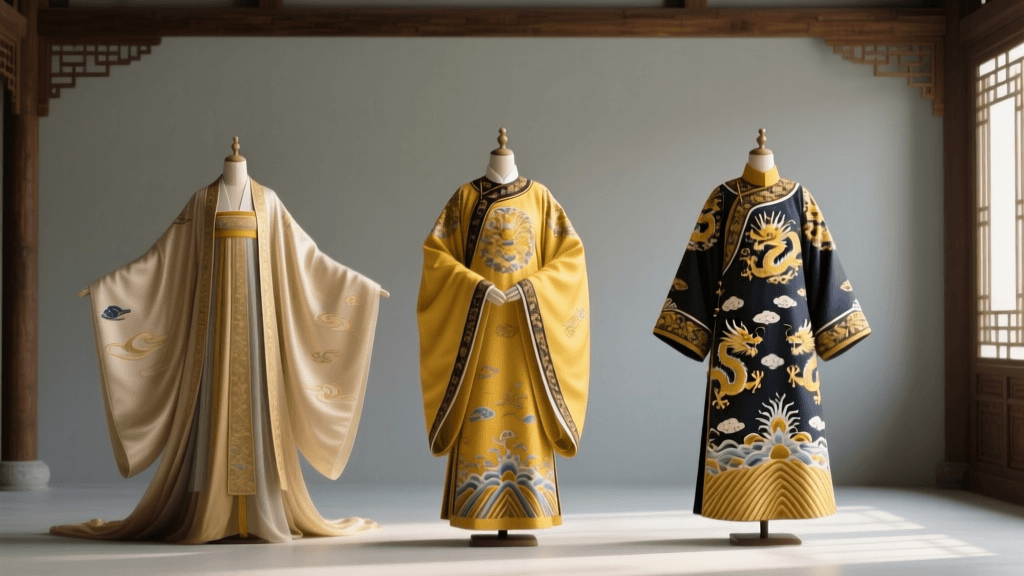
The qipao, also widely known in the West as the cheongsam, is arguably the most recognizable garment in Chinese fashion history. However, the sleek, form-fitting dress we recognize today is a relatively modern invention. According to Smithsonian Magazine, the garment's origins trace back to the Qing Dynasty (1644-1912), where Manchu women wore loose, flowing banner robes known as qizhuang. These early garments were highly conservative, concealing the body's silhouette entirely.
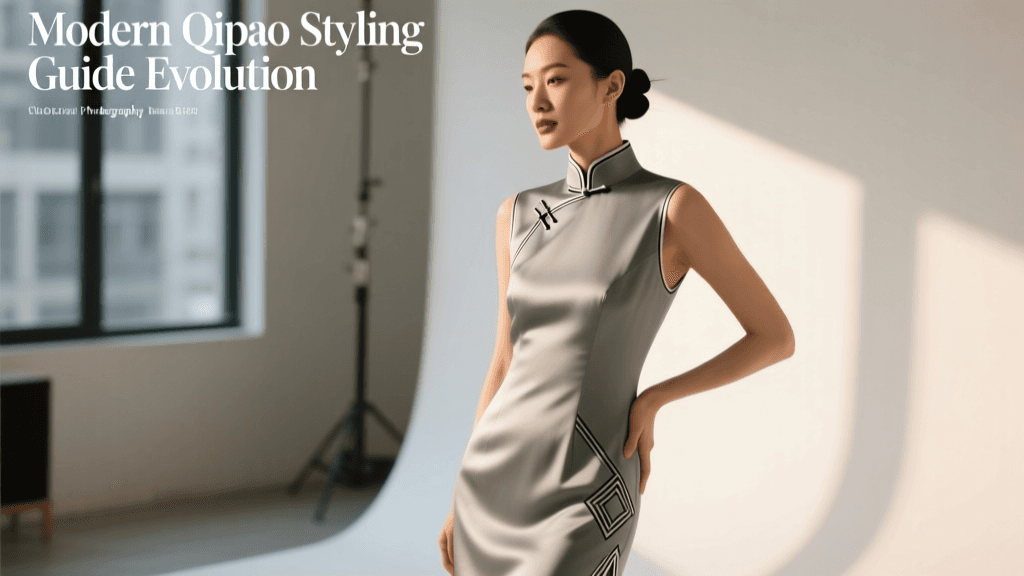
The radical transformation occurred in the 1920s and 1930s in Shanghai. Influenced by Western flapper fashion, Art Deco aesthetics, and the burgeoning feminist movement, Chinese women began tailoring the traditional robe. They introduced darting, high stiffened collars, and daring side slits, creating a garment that celebrated the natural S-curve of the female form. As noted by BBC Culture, this 'Golden Era' qipao became a symbol of modernity, independence, and cosmopolitan elegance.
Today, the qipao is experiencing a massive renaissance through the Xin Zhongshi (New Chinese Style) movement. Young designers are deconstructing the classic silhouette, blending traditional elements like pankou (frog) knots and mandarin collars with streetwear, tech-wear, and minimalist tailoring, making it a versatile staple for the 21st-century wardrobe.
Modern Qipao Styling: How to Wear the Cheongsam Today
Styling a qipao for contemporary settings requires moving away from overly traditional, costume-like pairings. The goal is to create a balanced, modern silhouette that respects the garment's heritage while anchoring it in current fashion trends.
Footwear Pairings
- Chunky Sneakers: For a casual, streetwear-inspired look, pair a midi or mini qipao with chunky dad shoes (like the New Balance 530 or Nike Air Monarch). This contrasts the elegance of the dress with utilitarian edge.
- Mary Janes & Loafers: For the office or a smart-casual outing, platform Mary Janes or polished leather loafers with white ankle socks offer a sophisticated, academia-adjacent aesthetic.
- Ankle Boots: In autumn, a knee-length qipao paired with sleek, pointed-toe Chelsea boots elongates the leg and adds a touch of modern rock-chic.
Outerwear & Layering
The qipao's high collar and fitted bodice make it an excellent base layer. Throw an oversized, distressed leather moto jacket over a silk qipao for a striking juxtaposition of textures. Alternatively, a tailored, oversized wool blazer worn over a sleeveless, linen qipao creates a powerful, boardroom-ready ensemble. During cooler months, long-line trench coats or cropped denim jackets work beautifully to break up the continuous vertical line of the dress.
Accessories
Avoid heavily embroidered silk clutches or traditional hair sticks, which can push the outfit into 'costume' territory. Instead, opt for structured, minimalist leather handbags. Jewelry should be kept deliberate: a single, high-quality jade pendant on a modern gold chain, or geometric metallic earrings that echo the Art Deco roots of the 1930s Shanghai era.
Occasion-Based Qipao Guide
Not all qipaos are created equal. Selecting the right fabric, length, and collar height is crucial for dressing appropriately for various events.
- Weddings & Galas: Opt for floor-length or calf-length silhouettes in silk brocade, velvet, or heavy crepe. A higher collar (4-5 cm) and long sleeves convey formality and respect. Red, gold, and deep emerald are traditional, but modern brides are increasingly choosing blush pink or ivory.
- Office & Professional: Choose midi-length dresses in matte fabrics like cotton-linen blends or wool crepe. Keep the collar low (1-2 cm) or opt for a collarless mandarin neckline for comfort during long hours at a desk. Cap sleeves or short sleeves are ideal for climate-controlled environments.
- Casual & Weekend: Mini or above-the-knee lengths in breathable linen, denim, or jersey. Look for 'deconstructed' elements like asymmetrical hems, dropped shoulders, or zippered front closures that mimic the aesthetic of a jacket.
The Perfect Fit: A Comprehensive Sizing and Measurement Guide
The most common mistake buyers make when purchasing a qipao online is ordering their exact body measurements. A traditional qipao is cut from woven fabrics with little to no stretch. If a garment is made to your exact measurements, you will not be able to sit, breathe, or raise your arms comfortably.
The Rule of 'Ease'
You must add 1.5 to 2 inches (4 to 5 cm) of 'ease' to your bust, waist, and hip measurements for non-stretch woven fabrics (like silk brocade or cotton). If you are buying a modern qipao made with elastane or stretch crepe, you can reduce the ease to 0.5 to 1 inch.
How to Measure for a Qipao
- Bust: Measure around the fullest part of your chest, keeping the tape measure level across your back. Wear the undergarments you plan to wear with the dress.
- Waist: Measure at your natural waistline (the narrowest part of your torso, usually just above the belly button). Do not suck in your stomach; breathe normally.
- Hips: Measure around the fullest part of your hips and buttocks, usually 7-9 inches below the natural waist.
- Shoulder Width: Measure from the edge of one shoulder bone to the other, across the back of the neck.
- Hollow to Hem: Measure from the hollow at the base of your front neck down to where you want the hem to fall. Wear the shoes you intend to pair with the dress.
Traditional vs. Modern Qipao: A Comparison Chart
Understanding the design differences between historical and contemporary qipaos will help you choose a piece that aligns with your personal style.
| Feature | Traditional (1930s-1950s) | Modern / Xin Zhongshi |
|---|---|---|
| Collar Height | High (4-6 cm), heavily stiffened | Low (1-3 cm), soft, or collarless |
| Closure Type | Hand-tied pankou (frog) knots | Hidden zippers, snap buttons, D-rings |
| Side Slits | Moderate (knee-level) | High thigh, asymmetrical, or omitted |
| Fabrics | Silk brocade, velvet, satin | Linen, denim, tech-nylon, jacquard |
| Silhouette | Form-fitting, S-curve, tailored darts | Relaxed, A-line, drop-waist, oversized |
Where to Buy: Price Ranges and Custom Tailoring
Investing in a qipao ranges from affordable fast-fashion to luxury bespoke tailoring. Here is what you can expect regarding costs, timelines, and quality.
Off-the-Rack (OTR) & E-Commerce
Cost: $50 - $150 USD
Best For: Casual wear, cotton/linen blends, and experimenting with modern silhouettes.
Timeline: Immediate shipping.
Advice: Platforms like Etsy and specialized Asian fashion retailers offer beautiful ready-to-wear options. Always check the fabric composition; avoid 100% polyester brocades, as they do not breathe well and can look cheap in photographs. Look for cotton-linen blends or viscose crepe.
Made-to-Measure (MTM) Online
Cost: $200 - $600 USD
Best For: Bridesmaids, wedding guests, and professional attire.
Timeline: 3 to 5 weeks for production and shipping.
Advice: Many reputable online ateliers allow you to submit your exact measurements and choose from hundreds of fabric swatches. This is the sweet spot for quality and price. Ensure the tailor offers a digital mockup or a 'muslin' fitting option if you are ordering a complex silk garment.
Bespoke Custom Tailoring
Cost: $800 - $3,000+ USD
Best For: Heirloom wedding gowns, high-society galas, and luxury investments.
Timeline: 2 to 4 months.
Advice: As highlighted in exhibitions by The Metropolitan Museum of Art, the artistry of the qipao lies in its intricate construction. Bespoke tailors in Shanghai, Hong Kong, and major global Chinatowns will require 2 to 3 in-person fittings. They will hand-roll the hems, custom-dye the silk, and hand-knot the pankou closures, resulting in a garment that fits like a second skin and lasts a lifetime.
Garment Care: Preserving Your Qipao
Proper care is essential, especially for silk and brocade qipaos. Never machine wash or wring these garments. For silk, rely on professional dry cleaning and store the dress in a breathable cotton garment bag—never plastic, which can trap moisture and cause the natural fibers to yellow or mildew. For cotton and linen qipaos, gentle hand washing in cold water with a pH-neutral detergent, followed by flat drying in the shade, will maintain the fabric's integrity and prevent color fading.
'The qipao is not merely a dress; it is a canvas of cultural memory. When we adapt it for the modern streets, we are not erasing its history, but rather ensuring its survival by allowing it to breathe, move, and evolve with the women who wear it.'