Mastering Kimono Seasonality: Awase, Hitoe, and Summer Dressing
The Japanese Concept of Kisetsukan in Dress
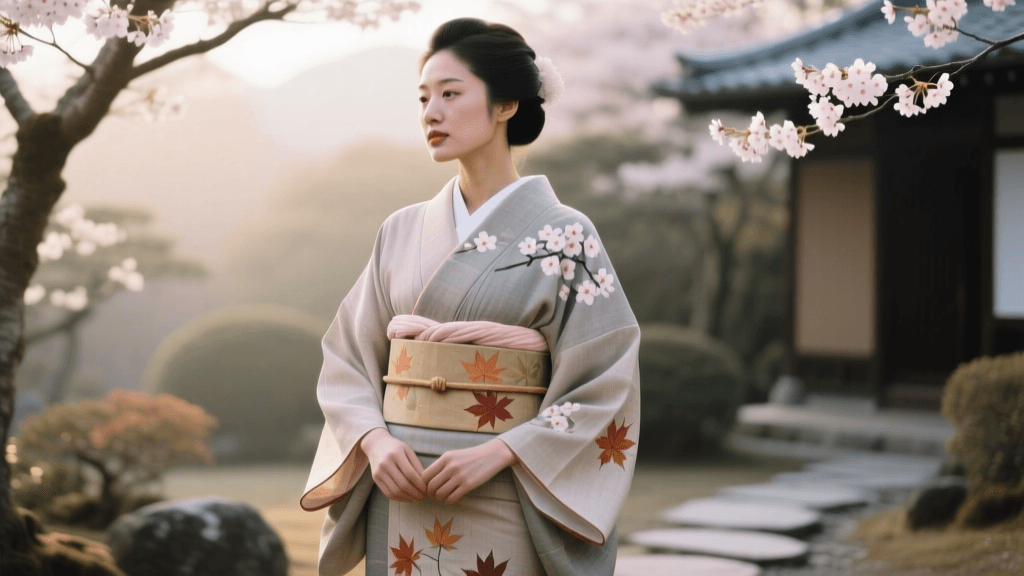
In the realm of traditional Japanese clothing, fashion is inextricably linked to the natural world. The concept of kisetsukan (seasonal feeling) dictates not only the motifs embroidered onto a garment but the very structure, weave, and layering of the fabric itself. Unlike Western fashion, where a heavy wool coat might be worn on an unseasonably cold summer day, traditional kimono rules are governed by a strict, historically rooted calendar. Understanding these seasonal transitions is essential for anyone looking to wear, collect, or study Japanese garments with authenticity and respect.
According to the Victoria and Albert Museum, the kimono is a masterclass in textile engineering, designed to respond to Japan's distinct four seasons. From the biting winds of February to the oppressive humidity of August, the dressing techniques and garment structures shift dramatically to prioritize both aesthetic harmony and physical comfort.
The Strict Calendar of Kimono Seasonality
While modern climate control has blurred these lines slightly, traditionalists and practitioners of tea ceremony (sado) still adhere to the classical kimono calendar. The year is divided into three primary wearing seasons based on the garment's lining and weave:
- Awase (Lined): Worn from October 1st through May 31st.
- Hitoe (Unlined): Worn during the transitional months of June and September.
- Natsugoromo / Usu-mono (Summer/Sheer): Worn during the peak heat of July and August.
Breaking these rules in formal settings is considered a faux pas, as it disrupts the visual poetry of the season. However, the true mastery of kimono dressing lies in the techniques used to manipulate these garments for thermal regulation.
Awase, Hitoe, and Natsugoromo: A Comparative Guide
Building a year-round kimono wardrobe requires an understanding of fabric weights, linings, and the corresponding undergarments. Below is a structured comparison to help you identify and budget for each seasonal category.
| Season | Kimono Type | Fabric & Weave | Lining | Undergarment (Juban) | Avg. Cost (USD) |
|---|---|---|---|---|---|
| Oct - May | Awase | Heavy Silk, Crepe (Chirimen), Wool | Fully Lined (Silk or Poly) | Standard Lined Juban | $150 - $500+ |
| Jun & Sep | Hitoe | Medium Silk, Tsumugi (Pongee) | Unlined (Raw edges finished) | Unlined Cotton/Silk Juban | $120 - $400 |
| Jul - Aug | Natsugoromo | Ro (Leno), Sha (Gauze), Hemp | Unlined, Sheer | Sheer Ro or Sha Juban | $200 - $800+ |
Note: Costs reflect the modern second-hand and vintage 'recycle shop' market in Japan, which is highly recommended for building a seasonal wardrobe on a budget.
Winter Dressing Techniques: Retaining Heat Elegantly
Winter in Japan, particularly in regions like Kyoto, brings a damp, piercing cold. Because the kimono is essentially a straight-cut tube with no tailored insulation, warmth must be engineered through strategic layering and modern adaptations.
The Foundation: Hada-juban and Naga-juban
The base layer is the hada-juban (undershirt) and susoyoke (wrap skirt). In winter, practitioners swap traditional cotton for modern thermal fabrics. Brands like Gunze offer specialized 'kimono shitagi' (thermal undergarments) with deep V-necks to ensure the thermal layer remains hidden beneath the kimono collar. These cost approximately $20-$30 and are essential for outdoor winter events.
Over this sits the naga-juban (full-length under-robe). For winter, the naga-juban should feature a shioze silk collar. The han-eri (decorative collar cover) is where seasonal motifs shine; in January and February, look for embroidered plum blossoms (ume) or pine needles to signify resilience in the cold.
Dressing Technique: The Eri-nuki Measurement
A common mistake among beginners in winter is pulling the collar too tight to trap heat. This ruins the kimono's silhouette. The gap at the nape of the neck, known as the eri-nuki, must remain exactly one fist's width (approximately 8 to 10 centimeters) for women. To maintain this gap while keeping the chest warm, use a date-jime (wide under-sash) made of elastic or soft silk to secure the juban firmly against the torso before the kimono is wrapped. This creates a thermal seal at the core without compromising the elegant neckline.
Summer Dressing Techniques: Engineering Airflow
Japanese summers are notoriously hot and humid. The transition to natsugoromo (summer garments) in July is a visual and physical relief. The Japan National Tourism Organization frequently highlights the intricate ro and sha silk gauze weaves as prime examples of Japan's textile ingenuity in combating humidity.
Understanding Ro and Sha Weaves
Ro silk features a leno weave with distinct horizontal gaps, creating a ribbed texture that prevents the fabric from clinging to the skin. Sha is a lighter, more open gauze. Because these fabrics are sheer, the undergarments must also be sheer. A ro juban is mandatory; wearing a standard opaque cotton juban beneath a sheer kimono is considered visually heavy and aesthetically displeasing.
Dressing Technique: Creating the 'Chimney Effect'
To survive a Japanese summer in silk, dressers employ a technique that encourages natural convection. When tying the first koshi-himo (waist tie) at the hip bone, it should be tied firmly but not restrictively. The key is to leave the lower half of the kimono slightly loose around the legs. As the wearer walks, the pumping motion of the legs forces cool air up through the hem and out through the eri-nuki (neck gap), creating a natural chimney effect. Furthermore, summer date-jime are often made of woven rattan or breathable mesh to prevent sweat accumulation at the torso.
Seasonal Obi and Footwear Transitions
Seasonality extends beyond the kimono itself to the accessories. The obi (sash) makes up a massive portion of the visual real estate and follows its own calendar.
- Winter Obi: Heavy brocades (kinran) and thick fukuro obi are preferred. The visual weight of the gold and silver threads complements the thick awase kimono.
- Summer Obi: Ro obi or hakata silk gauze obi are essential. Tying a heavy winter brocade over a sheer summer kimono is a major stylistic error, as it visually 'suffocates' the outfit.
Footwear also shifts. In winter, zori sandals are covered in velvet or heavy brocade, and tabi socks may be fleece-lined or made of quilted cotton. In summer, zori are crafted from woven rush grass (igusa) or bamboo skin, which feel cool against the foot. For informal summer festivals (matsuri), many opt for bare feet in wooden geta, completely abandoning the tabi.
Actionable Advice: Budgeting for a Year-Round Wardrobe
Acquiring garments for all three seasons can seem financially daunting, but strategic shopping makes it accessible.
- Invest in the Obi, Save on the Kimono: A high-quality, versatile fukuro obi with a neutral geometric pattern can be worn year-round if the weave is medium-weight. Spend your budget here.
- Utilize Recycle Shops: Stores like Chicago or Tansu-ya in Tokyo offer pristine vintage hitoe and awase kimono for as little as $30 to $80. Because hitoe kimono are less popular among casual tourists, they are often significantly cheaper than lined winter kimono.
- Master the Han-eri: Instead of buying multiple expensive under-robes, buy a few high-quality white naga-juban and invest in a collection of seasonal han-eri (collar covers). A $15 embroidered collar featuring autumn maple leaves instantly transitions a plain garment into October-appropriate attire.
Conclusion
Mastering kimono seasonality is not merely about following archaic rules; it is about engaging in a continuous, tactile dialogue with nature. Whether you are engineering airflow through a sheer ro weave in August or securing a thermal core beneath a heavy chirimen silk in January, the dressing techniques of the kimono offer a profound lesson in adapting to our environment with grace, intention, and breathtaking beauty.