Shiromuku & Uchikake: Guide to Japanese Wedding Kimono
The Timeless Elegance of Japanese Wedding Kimono
Japanese weddings, particularly the traditional Shinzen Shiki (Shinto ceremony), are a masterclass in ritual, symbolism, and sartorial splendor. At the heart of this sacred event is the bride’s attire, a breathtaking ensemble that transcends mere fashion to become a vessel of cultural heritage and spiritual meaning. Unlike Western wedding dresses, which typically feature a single gown, a traditional Japanese bride will change outfits multiple times throughout her wedding day, with each garment serving a distinct ceremonial purpose. According to cultural historians and institutions like the Victoria and Albert Museum, the Japanese kimono is not just clothing; it is a canvas of intricate craftsmanship, seasonal motifs, and profound social signaling.
For brides, the journey through traditional wedding attire usually begins with the pure white Shiromuku for the shrine ceremony and transitions into the vibrant, heavily brocaded Uchikake or Iro-Uchikake for the reception. This guide explores the anatomy, symbolism, and practicalities of acquiring and wearing these magnificent ceremonial garments.
The Shiromuku: Symbolism of the Pure White Kimono
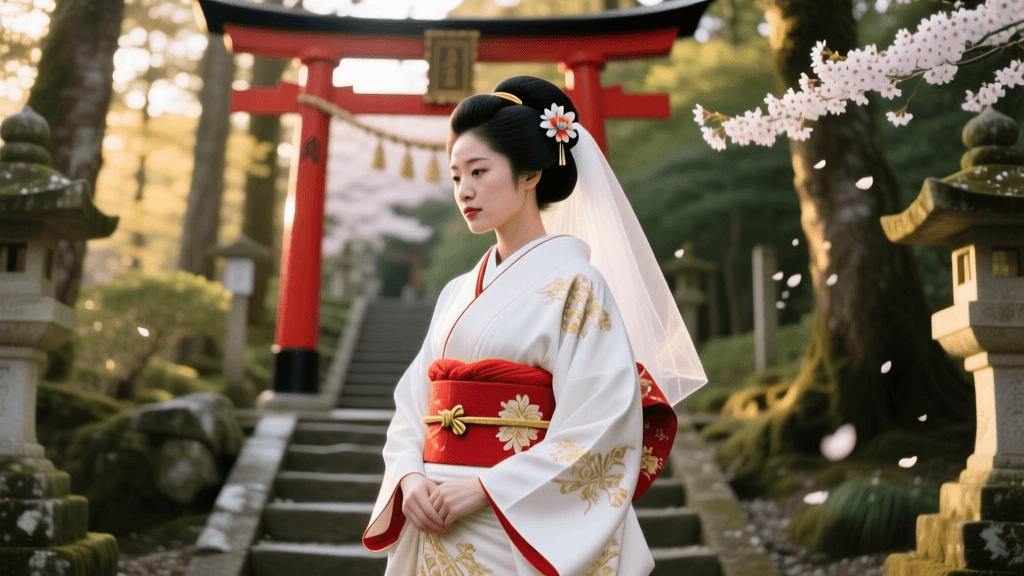
The Shiromuku (literally 'pure white') is the most formal and traditional wedding kimono, worn exclusively during the Shinto wedding ceremony. The stark white color holds deep philosophical and spiritual significance in Japanese culture. White is the color of purity, cleanliness, and the sacred in Shintoism. Furthermore, it symbolizes the bride's willingness to be 'dyed' in the colors of her new husband’s family, representing a blank slate and a fresh beginning.
The Anatomy of the Bridal Ensemble
A Shiromuku is not a single piece of clothing but a complex, multi-layered system of garments. The complete ensemble can weigh between 10 to 15 kilograms (22 to 33 lbs) and requires expert dressing. The layers include:
- Hadajuban and Nagajuban: The foundational undergarments. The hadajuban is a thin, skin-tight wrap, while the nagajuban is a secondary kimono worn beneath the main garment to protect it from sweat and oils, often featuring a decorative collar (han-eri).
- Kakeshita: The primary kimono layer, made of premium silk, featuring subtle woven patterns (like cranes or plum blossoms) that are only visible upon close inspection.
- Uchikake: The heavy, outermost coat worn open over the kakeshita. It features a thick, padded hem called fukikaeshi, which allows the garment to trail elegantly on the floor without the need for folding the hem up.
- Maru Obi or Fukuro Obi: The wide, stiff sash that secures the kimono. For brides, the obi is often woven with gold and silver threads and tied in an elaborate, box-like knot at the back, resembling a blooming flower or a crane’s wings.
The Iro-Uchikake: Vibrant Reception Attire
Following the solemn shrine ceremony, the bride typically changes into an Iro-Uchikake (colored Uchikake) for the Hiroen (wedding reception). While the Shiromuku is reserved for the gods, the Iro-Uchikake is meant to celebrate with family and friends. These garments are a riot of color and texture, frequently utilizing luxurious Nishijin-ori brocade, Yuzen dyeing, and intricate gold-leaf embroidery.
Red is the most popular color, symbolizing good fortune, joy, and protection against evil spirits. However, modern brides also opt for regal purple, deep black, or shimmering gold. The motifs embroidered onto the Iro-Uchikake are carefully chosen to bestow blessings upon the couple:
- Tsuru (Crane): Represents longevity, fidelity, and a harmonious marriage, as cranes are believed to mate for life.
- Matsu (Pine): Symbolizes endurance, resilience, and steadfastness through life's challenges.
- Ume (Plum Blossom): Signifies perseverance and hope, as the plum tree blooms fiercely in the late winter snow.
- Shochikubai: A highly auspicious combination of pine, bamboo, and plum, frequently seen on premium wedding textiles.
Essential Bridal Accessories and Headwear
The bridal kimono is elevated by a suite of traditional accessories, each carrying its own historical weight. The headwear is perhaps the most recognizable element of the Japanese bride. The Wataboshi is a large, dome-shaped white silk hat worn over the traditional wig during the ceremony, acting similarly to a Western veil to shield the bride's face from evil spirits and onlookers. Alternatively, the Tsunokakushi (literally 'horn hider') is a white silk band worn across the forehead. Folklore suggests it hides the 'horns of jealousy' and ego, signifying the bride's resolve to become a gentle and obedient wife.
Other vital accessories include the Sensu (a folding fan symbolizing a widening, prosperous future), the Hakoseko (a small, ornate mirror pouch tucked into the obi), and the Kaiken (a small ceremonial dagger, historically carried by samurai women for protection and self-reliance).
The Groom’s Attire: Montsuki Haori Hakama
While the bride’s attire is highly layered and colorful, the groom’s ceremonial wear is a study in understated elegance and formality. The groom wears a Montsuki Haori Hakama, the highest level of formal menswear in Japan. This ensemble consists of a black silk kimono adorned with five Kamon (family crests) placed on the back, chest, and sleeves. Over the kimono, he wears a matching black silk Haori (jacket) secured with white Haori-himo (braided cords). The lower half features a Hakama (pleated trousers) with subtle, auspicious stripes. The stark contrast between the groom's monochromatic formality and the bride's vibrant textiles creates a visually striking and balanced ceremonial aesthetic.
Practical Guide: Renting vs. Buying Your Wedding Kimono
Acquiring a traditional Japanese wedding kimono is a significant investment. Due to the high cost of authentic silk craftsmanship and the rapid evolution of fashion trends, the vast majority of Japanese brides choose to rent their ensembles. According to industry data from major bridal portals like Watabe Wedding, renting provides access to premium, high-maintenance garments without the burden of long-term storage and upkeep. Below is a comparison to help you decide which route is best for your ceremony.
| Aspect | Renting (Youshin) | Buying (Kounyuu) |
|---|---|---|
| Average Cost | ¥200,000 - ¥400,000 ($1,300 - $2,600 USD) | ¥800,000 - ¥2,000,000+ ($5,200 - $13,000+ USD) |
| Lead Time | 3 to 6 months prior to the wedding | 6 to 12 months (custom weaving/dyeing) |
| Customization | Limited to available inventory and accessory swaps | Fully bespoke motifs, family crests, and exact measurements |
| Alterations |
Measurements, Timing, and the Art of Kitsuke
Unlike Western dresses that are tailored to the body, the kimono is a flat, T-shaped garment that requires the art of Kitsuke (kimono dressing) to mold to the wearer's figure. The goal of bridal kitsuke is to create a smooth, cylindrical silhouette, minimizing curves to allow the fabric to drape flawlessly. This involves extensive padding, specifically around the waist, hips, and chest, using specialized towels and sponges.
Brides should schedule their final measurements and fitting (gaishin) about one to two months before the wedding. Weight fluctuations are common during wedding planning, and the dresser needs accurate metrics to prepare the correct amount of padding and adjust the hem length (ohashori).
On the wedding day, timing is critical. The dressing process for a full Shiromuku or Uchikake takes between 60 to 90 minutes, performed by a licensed professional dresser. Hair and makeup will add another 60 to 90 minutes. Therefore, brides must begin their preparation at least four hours before the ceremony begins. As noted by cultural experts at Japan Guide, traditional Shinto ceremonies are deeply tied to the time of day and the seasons, meaning punctuality is not just a courtesy, but a spiritual requirement.
'The transformation of the bride into her wedding kimono is not merely a change of clothes; it is a physical and spiritual crossing of a threshold. The weight of the silk, the restriction of the obi, and the precise posture required all serve to ground the bride in the gravity of her new life path.'
Conclusion
The ceremonial Japanese wedding kimono is a triumph of textile art, cultural continuity, and personal expression. Whether draped in the sacred, blinding white of the Shiromuku or the opulent, gold-threaded folds of the Iro-Uchikake, the bride becomes a living embodiment of Japanese heritage. While the logistics of renting, fitting, and wearing these heavy, intricate garments require careful planning and a substantial budget, the result is an unforgettable visual and spiritual experience. For those participating in or studying Asian traditions, the bridal kimono remains one of the most profound and beautifully complex sartorial achievements in the world.