Yukata vs Kimono: The Ultimate Summer Casual Wear Guide
The Allure of Japanese Summer Fashion
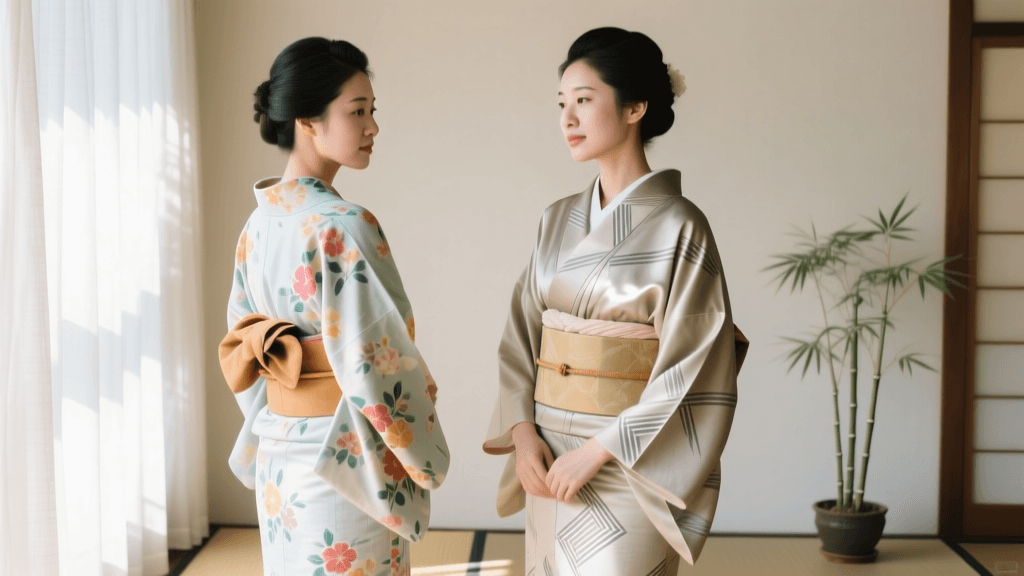
Summer in Japan is a vibrant season defined by the crackle of fireworks (hanabi taikai), the rhythmic beats of local festivals (matsuri), and the elegant sway of traditional garments in the evening breeze. For both locals and travelers, participating in these events often involves wearing traditional Japanese clothing. However, a common point of confusion arises when choosing between the yukata and the summer kimono (often referred to as natsumono). While they may look similar to the untrained eye, these garments differ vastly in history, construction, formality, and the undergarments required to wear them. According to the Victoria and Albert Museum, the evolution of the kimono from the basic T-shaped robe to a highly codified system of seasonal dress is one of the most fascinating aspects of Japanese textile history. This guide will break down everything you need to know to navigate Japanese summer casual wear with confidence, cultural respect, and impeccable style.
Understanding the Yukata: The Bathrobe Turned Festival Star
The word yukata literally translates to 'bathing cloth.' Originating in the Heian period (794–1185), it was initially a lightweight linen robe worn by aristocrats to and from the bathhouse. By the Edo period (1603–1867), as public bathhouses became common and cotton cultivation flourished, the yukata evolved into the everyday casual wear of the masses. Today, it is the undisputed king of summer festival fashion.
Fabric, Fit, and Cost
Yukata are made almost exclusively from lightweight, breathable cotton or cotton-blend fabrics. They are unlined, making them perfect for Japan's notoriously hot and humid summers. A standard bolt of fabric, known as a tanmono, is approximately 38 centimeters wide and 12 meters long. Because the fabric is narrow, the yukata is constructed using straight-line cuts with minimal waste. When purchasing a ready-to-wear yukata, you will typically find them in standard lengths ranging from 130 cm to 145 cm, designed to be folded at the waist (ohashori) to fit the wearer's height. In terms of cost, a basic, machine-printed cotton yukata set (which often includes the garment, a simple obi sash, and a pair of wooden sandals) can be purchased for as little as 3,000 to 5,000 JPY ($20–$35 USD) at retail chains like UNIQLO or department stores during the early summer months. High-end, hand-dyed shibori or chugata yukata can cost upwards of 50,000 JPY.
The Summer Kimono (Natsumono): Elegance in the Heat
While the yukata is strictly casual, the summer kimono (natsumono) bridges the gap between everyday wear and formal summer occasions, such as tea ceremonies, theater outings, or upscale dining. The Metropolitan Museum of Art notes that the seasonal specificity of Japanese dress is unparalleled, with summer kimonos representing the pinnacle of textile engineering designed to create a visual and physical sense of coolness.
The Art of Ro and Sha Weaving
Unlike the opaque cotton of a yukata, summer kimonos are crafted from sheer or semi-sheer silk fabrics, primarily utilizing two traditional weaving techniques: ro and sha.
- Ro (Leno Weave): This technique involves twisting adjacent warp threads around each other before the weft thread is passed through, creating a fabric with distinct, evenly spaced horizontal or vertical gaps. It is highly durable despite its sheerness.
- Sha (Gauze Weave): A lighter, more delicate weave where the warp threads are not twisted but simply spaced apart, creating a fine, net-like grid. Sha is incredibly breathable but more fragile than ro.
Yukata vs. Summer Kimono: A Detailed Comparison
To help you decide which garment is appropriate for your summer itinerary, refer to the comparison chart below:
| Feature | Yukata | Summer Kimono (Natsumono) |
|---|---|---|
| Primary Material | Cotton, hemp, or polyester blends | Silk (Ro, Sha, or Komon) |
| Lining | Unlined (Hitoe) | Unlined (Hitoe), but worn with sheer undergarments |
| Undergarments | Simple slip or modern camisole/shorts | Specialized summer Juban (half or full length) |
| Collar Style | Half-width collar (Han-eri not used) | Wide collar with a detachable half-collar (Han-eri) |
| Footwear | Bare feet with wooden Geta | Tabi socks with Zori or high-end Geta |
| Formality | Casual (Festivals, fireworks, ryokan) | Smart-casual to Semi-formal (Tea ceremonies, dining) |
| Average Cost (New) | 3,000 – 15,000 JPY | 30,000 – 200,000+ JPY |
Footwear and Accessories: Geta, Zori, and Koshihimo
The accessories you pair with your garment immediately signal to locals whether you are wearing a yukata or a kimono.
- Footwear: Yukata are traditionally paired with geta (wooden clogs) and worn with bare feet. Wearing tabi (split-toe socks) with a yukata and geta is generally considered a fashion faux pas, though modern street style occasionally bends this rule. Conversely, a summer kimono requires tabi and is usually paired with zori (formal sandals made of vinyl, straw, or brocade) or lacquered, high-end geta.
- Obi (Sash): Yukata utilize a hanhaba obi (half-width obi), which is easy to tie into casual knots like the bunko (bow) or taiko. Summer kimonos require a wider nagoya obi or fukuro obi, often made of sheer ra or sha silk, woven with cool, seasonal motifs like flowing water, goldfish, or bell crickets.
- Koshihimo: These are the thin tie belts used to secure the garment before the decorative obi is applied. Because silk summer kimonos are slippery, you may need three to four koshihimo and an obi-ita (stiffening board) to keep the sash perfectly smooth. A cotton yukata grips itself better and usually only requires two ties.
Practical Guide: Renting vs. Buying in Japan
If you are visiting Japan and wish to experience summer festivals in traditional dress, renting is the most practical and cost-effective option. In cultural hubs like Kyoto's Gion district or Tokyo's Asakusa, rental shops are abundant.
- Rental Costs: A standard yukata rental package (including dressing service, obi, geta, and a small drawstring bag) typically costs between 3,000 and 5,500 JPY ($20–$40 USD). Upgrading to a summer kimono or adding professional hair styling will add 2,000 to 5,000 JPY to the total.
- Timing and Booking: During peak festival seasons (July and August), popular shops sell out by mid-morning. It is highly recommended to book online at least two weeks in advance and secure the earliest appointment slot (usually 9:00 AM) to maximize your time and avoid the midday heat.
- Measurements: Rental shops carry 'free size' garments that fit heights between 150 cm and 170 cm. If you are taller than 175 cm, notify the shop in advance, as they will need to prepare a specialized long-length (cho-bi) garment, which may limit your pattern choices.
Essential Etiquette for Summer Festivals
Whether you choose a casual yukata or an elegant summer kimono, observing proper etiquette shows respect for the culture. Memorize these golden rules before stepping out:
- The Left-Over-Right Rule: Always wrap the left side of the garment over the right side (hidarimae). Wrapping right-over-left is strictly reserved for dressing the deceased for burial. This is the most critical rule of Japanese dress.
- Mind the Collar: The back of the collar should be pulled down slightly to expose the nape of the neck (eri-nuki), which is traditionally considered an elegant and alluring feature. However, the front collar should cross snugly at the base of the throat without gaping.
- Posture and Movement: Traditional garments restrict your stride. Walk with shorter, deliberate steps. When sitting, especially on tatami mats or low festival benches, smooth the back of your skirt beneath you and keep your knees together to maintain the straight line of the silhouette.
- Handling the Hem: If it begins to rain or you are walking through muddy festival grounds, gently lift the front hem of your garment and tuck it into your obi to prevent staining. This practical technique, known as karakasa-shibori (though usually applied to the sleeves), keeps the cotton or silk safe from the elements.
Conclusion
Choosing between a yukata and a summer kimono ultimately depends on your itinerary, budget, and tolerance for heat. The yukata is the undisputed champion of comfort and accessibility, perfect for lively street festivals, fireworks viewing, and casual evening strolls. The summer kimono, with its sheer silks and intricate layering, offers a refined, sophisticated experience suited for upscale dining and traditional arts. By understanding the textiles, the necessary undergarments, and the cultural etiquette that governs these garments, you can fully immerse yourself in the magic of a Japanese summer, dressed appropriately and beautifully for every occasion.