Mindful Kitsuke: Kimono Dressing as Zen Meditation in 2026
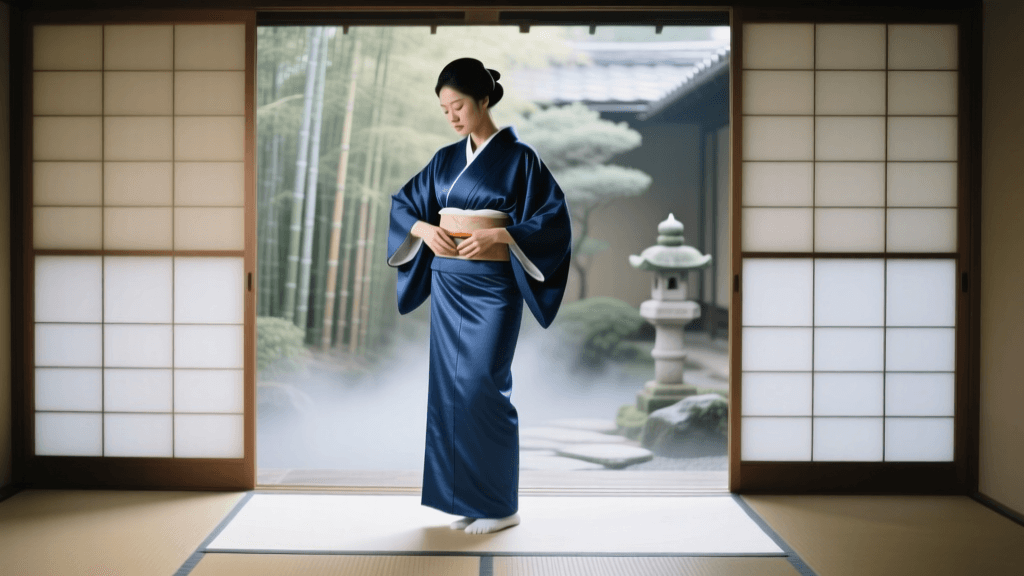
The Intersection of Zen Philosophy and Traditional Garments
In the rapidly evolving global wellness landscape of 2026, seekers of mindfulness are increasingly turning away from digital meditation apps and toward embodied, tactile traditions. Among the most profound of these is kitsuke—the traditional Japanese art of wearing a kimono. Far from being a mere sartorial exercise or a historical costume requirement, kitsuke is experiencing a renaissance as a form of moving Zen meditation. For practitioners and cultural enthusiasts alike, the meticulous process of wrapping, folding, and tying the kimono offers a powerful pathway to mushin (no-mind) and deep somatic grounding.
According to the Stanford Encyclopedia of Philosophy, Zen practice emphasizes the integration of meditation into everyday, mundane activities. This concept, known as samu (working meditation), suggests that enlightenment is not found solely on the cushion, but in the precise, mindful execution of daily tasks. In 2026, wellness retreats and cultural preservation societies are formally recognizing kitsuke as a premier embodiment of samu, transforming the act of getting dressed into a sacred ritual of self-alignment.
The Anatomy of Mindful Dressing: A Step-by-Step Meditation
The kimono is not a single garment, but a complex architecture of layers, each requiring deliberate attention, spatial awareness, and physical intentionality. To practice mindful kitsuke is to treat each layer as a stage of meditation, moving from the external environment inward to the core of the body.
The Foundation: Hadajuban and Susoyoke (Grounding the Body)
The meditation begins before the silk is even touched. The practitioner starts with the hadajuban (under-kimono) and susoyoke (wrap skirt). This stage is about grounding. As the bare skin meets the breathable cotton or hemp, the practitioner focuses on the sensation of touch, anchoring their awareness in the present physical space. It is a moment to shed the anxieties of the outside world, creating a pure, neutral canvas for the spiritual work ahead.
The Core: Nagajuban and Kimono (Aligning the Posture)
Next comes the nagajuban and the main kimono. The Victoria and Albert Museum notes that the kimono's straight-line construction requires the wearer to actively manage the drape and alignment of the fabric, unlike Western tailored clothing which forces a shape onto the body. Mindful kitsuke demands perfect posture. The practitioner must align the eri (collar) precisely, ensuring the back seam is centered and the hem falls at the exact correct angle. This intense focus on geometry and symmetry quiets the wandering mind, forcing a state of single-pointed concentration akin to zazen (seated meditation).
The Anchor: The Obi (Centering the Spirit)
The final and most physically demanding stage is tying the obi (sash). The obi acts as the physical and spiritual anchor of the garment. Wrapping the obi requires deep, controlled exhalations. As the fabric is pulled taut and the intricate knot (such as the otaiko or bunko) is formed at the back, the practitioner centers their spirit. The tightness of the obi restricts shallow chest breathing, naturally forcing the practitioner into deep, diaphragmatic breathing—the very foundation of Zen breathwork.
2026 Wellness Trends: Kimono Meditation Retreats in Japan
As of 2026, the integration of traditional garment wearing and spiritual wellness has become a major pillar of Japan's cultural tourism and domestic wellness industries. Temples and specialized wellness centers are offering immersive programs that combine morning zazen with guided, silent kitsuke sessions. These retreats emphasize the psychological concept of "enclothed cognition," where the symbolic meaning and physical experience of the clothes systematically influence the wearer's psychological processes.
Below is a comparison of three premier Zen and Kimono retreats operating in 2026, highlighting their unique approaches to mindful dressing:
| Retreat Name | Location | Core Focus | 2026 Program Length | Estimated Cost (USD) |
|---|---|---|---|---|
| Shunkoin Zen & Silk | Kyoto | Zazen, Obi Tying as Breathwork | 3 Days | $650 |
| Kamakura Mindful Kitsuke | Kanagawa | Coastal Walking Meditation, Hemp Kimono Care | 2 Days | $420 |
| Daitoku-ji Textile & Spirit | Kyoto | Historical Garment Philosophy, Silent Dressing | 5 Days | $1,100 |
The Sensory and Somatic Experience
Mindful kitsuke is deeply rooted in sensory awareness. The American Psychological Association highlights that mindfulness involves active, open attention to the present, including acute sensory observation. The kimono provides a rich tapestry of sensory inputs that facilitate this state.
- The Sound of Silk (Kinu-zure): The distinct, soft rustling sound of silk layers rubbing against one another is historically celebrated in Japanese poetry. In a meditative context, this sound acts as an auditory anchor, similar to the sound of a singing bowl or a temple bell, bringing the mind back to the present moment whenever it wanders.
- Weight and Gravity: A full silk kimono and obi ensemble can weigh several kilograms. The mindful practitioner learns to move with this weight, adjusting their center of gravity and adopting the suriashi (sliding step) walking technique. This prevents the garment from shifting and promotes a gliding, grounded movement that is deeply calming to the nervous system.
- Thermal Regulation: The layered nature of the kimono creates a microclimate around the body. Becoming aware of this subtle warmth and the way the fabric breathes with the body's movements enhances interoception—the awareness of internal bodily sensations.
"The way you wrap the fabric is the way you wrap your mind. A twisted collar reflects a twisted thought; a centered seam reflects a centered spirit."
— 2026 Kyoto Kitsuke Wellness Symposium Keynote
Practical Guide: Starting Your Mindful Kitsuke Practice at Home
You do not need to be at a temple in Kyoto to experience the meditative benefits of kitsuke. In 2026, sustainable and accessible kimono options have made it easier than ever to establish a home practice. Here is a practical guide to cultivating a 20-minute mindful dressing routine.
1. Prepare Your Space (3 Minutes)
Treat your dressing area as a sacred space. Clear away clutter, ensure the lighting is soft and natural, and eliminate digital distractions. Lay out your kimono, nagajuban, koshihimo (tying cords), and obi in the exact order they will be used. This preparation is the first act of samu.
2. The Breath and the First Layer (5 Minutes)
Before touching the fabric, take five deep, diaphragmatic breaths. As you put on the hadajuban, focus entirely on the sensation of the fabric against your skin. Acknowledge the transition from your 'outside' self to your 'inside' self.
3. The Alignment Phase (7 Minutes)
As you don the main kimono, move slowly. Do not rush to secure the cords. Feel the weight of the sleeves. When aligning the collar, use a mirror not for vanity, but as a tool for objective observation. If the collar is uneven, do not feel frustration; simply observe the asymmetry, adjust, and try again. This builds emotional equanimity.
4. The Obi and the Final Anchor (5 Minutes)
When tying the obi, synchronize your movements with your breath. Pull the fabric taut on the exhale. Secure the knot. Once fully dressed, stand in silence for two minutes. Feel the gentle, firm embrace of the garment. Notice how your posture has naturally elevated and how your breathing has deepened.
Sourcing Sustainable Zen-Wear in 2026
A crucial aspect of modern mindful kitsuke is the ethical sourcing of the garments. The environmental impact of fast fashion is antithetical to Zen principles of harmony and respect for all things. In 2026, practitioners are prioritizing vintage, upcycled, and sustainably woven textiles.
For beginners seeking a mindful practice without the overwhelming complexity of formal silk, Oshima Tsumugi (a durable, mud-dyed pongee silk) or modern organic hemp blends are highly recommended. These fabrics offer the structural integrity required for proper folding and tying, while providing a more forgiving, breathable experience for daily meditation. Sourcing from certified vintage dealers or contemporary artisans who use natural, plant-based dyes ensures that your spiritual practice remains aligned with ecological mindfulness.
Conclusion
The kimono is far more than a beautiful relic of Japan's past; it is a sophisticated tool for spiritual grounding. By approaching kitsuke not as a chore or a performance, but as a deliberate, moving meditation, practitioners in 2026 are discovering a profound sanctuary of peace within the folds of silk and hemp. In a world that constantly demands our attention and rushes our movements, the mindful art of dressing offers a radical, beautiful pause—a daily reminder that true elegance begins with a quiet, centered mind.