Hanfu Global Runways: 2026 International Fashion Week Trends
The Rise of Hanfu Couture on the World Stage
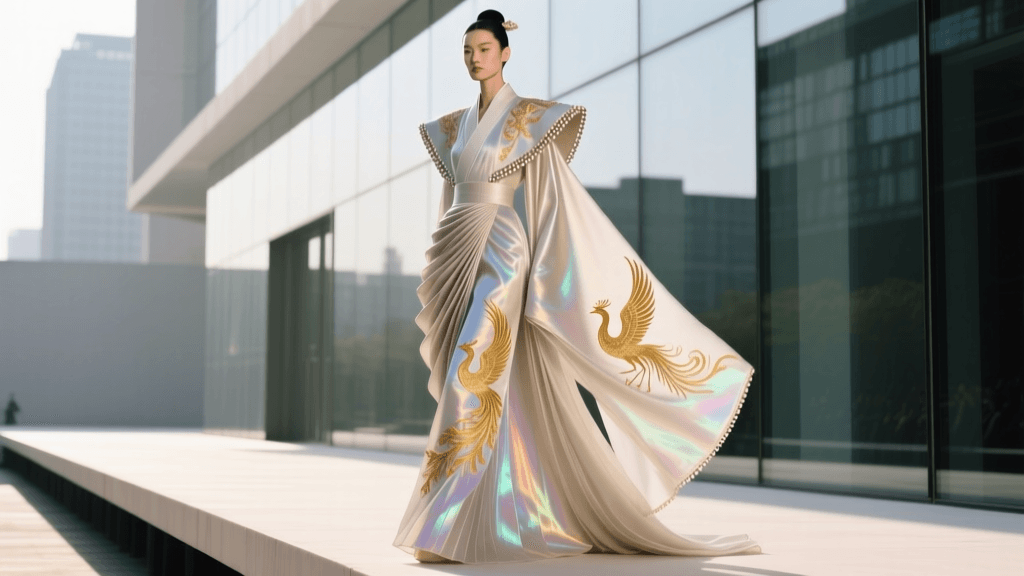
The year 2026 marks a watershed moment for traditional Chinese clothing on the international stage. No longer confined to historical reenactments, niche subcultures, or regional street style, Hanfu has decisively breached the upper echelons of global haute couture. From the grand avenues of Paris to the industrial-chic showspaces of Milan, the Spring/Summer and Fall/Winter 2026 fashion weeks have showcased an unprecedented integration of traditional Chinese silhouettes, textiles, and structural philosophies. This is not mere cultural appropriation or superficial motif-borrowing; it is a profound structural reimagining of ancient garments for the modern luxury consumer.
International fashion houses and emerging Asian-led couture ateliers are collaborating with master weavers in Suzhou and Hangzhou to produce runway pieces that honor the Metropolitan Museum of Art's historical Asian textile archives while pushing the boundaries of modern garment engineering. The 2026 runway landscape proves that Hanfu is not a relic of the past, but a dynamic, evolving fashion language that speaks to global demands for sustainability, craftsmanship, and sartorial storytelling.
Key Hanfu Silhouettes Dominating 2026 Runways
While the Hanfu movement encompasses thousands of years of evolving dress, the 2026 international runway circuit has heavily favored three distinct silhouettes, adapting them with contemporary tailoring techniques to suit high-fashion editorial standards.
The Mamianqun (Horse-Face Skirt) Renaissance
The Mamianqun, characterized by its flat front and back panels flanked by intricate, overlapping knife pleats, has become the undisputed star of 2026 global fashion weeks. Designers are reimagining this Ming Dynasty staple by integrating hidden corsetry into the traditionally flat waistband, creating a dramatic, structured hourglass silhouette that appeals to Western couture sensibilities while maintaining the skirt's iconic kinetic movement. On the Paris runways this year, we have seen Mamianqun crafted from heavyweight metallic jacquards and eco-treated leathers, falling in severe, floor-sweeping columns that contrast beautifully with minimalist, tailored blazers.
Ethereal Daxiushan and Modern Layering
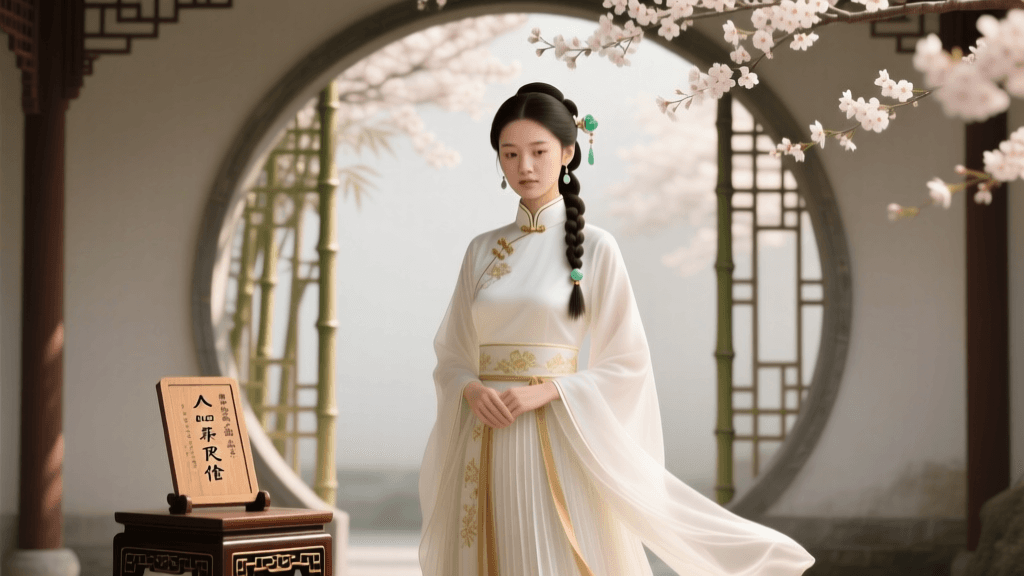
The Daxiushan, or 'grand sleeve' robe, has been adapted for 2026 evening wear through the use of ultra-lightweight, sustainable peace silks. Historically worn by royalty and nobility, the massive sleeves of the Daxiushan are being engineered with invisible micro-wiring along the hems. This allows the sleeves to hold dramatic, architectural shapes on the runway rather than simply draping. Layering these sheer, voluminous outer robes over structured, modern slip dresses or tailored silk trousers has become a hallmark of the 2026 avant-garde aesthetic.
The Aoqun and the Standing Collar (Liling)
The late-Ming Aoqun (a lined jacket paired with a skirt) featuring the Liling (standing collar) has been heavily referenced in 2026 Fall/Winter collections. Designers are exaggerating the standing collar, extending it into high, architectural neckpieces that frame the face, while utilizing traditional Pan Kou (knotted buttons) crafted from carved jade and recycled brass. This silhouette bridges the gap between traditional modesty and high-fashion edge, offering a sharp, commanding presence on the catwalk.
Textile Innovations: Xiangyunsha and Song Brocade
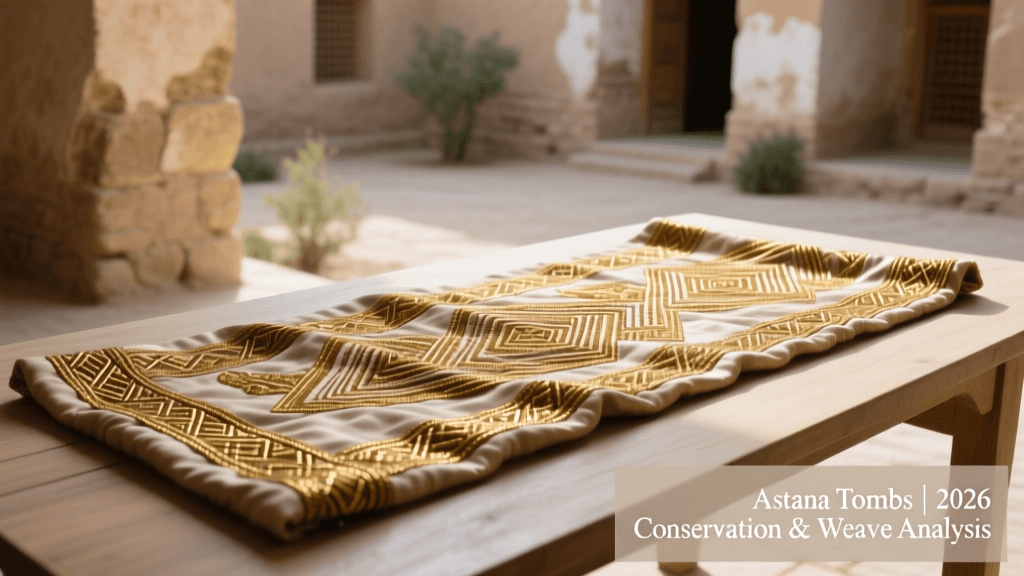
The true luxury of 2026 Hanfu couture lies in its textiles. The global fashion industry's pivot toward sustainable, artisanal fabrics has placed a massive spotlight on heritage Chinese weaving and dyeing techniques. Chief among these is Xiangyunsha, often referred to as 'soft gold' or mud silk. This complex fabric is dyed using the juice of the dioscorea cirrhosa plant and coated with iron-rich river mud, resulting in a waterproof, crackled, leather-like silk that is entirely eco-friendly.
According to textile historians and curators at the Victoria and Albert Museum's Asian collections, the preservation and modernization of such complex, regional textiles is vital to the global fashion ecosystem. In 2026, top-tier designers are paying premium rates to secure exclusive batches of Xiangyunsha and authentic Song Brocade (Songjin) for their runway pieces. The deep, earthy tones of mud silk and the intricate, multi-colored geometric patterns of Song Brocade provide a rich, tactile experience that synthetic, mass-produced luxury fabrics simply cannot replicate.
Comparative Analysis: Heritage vs. 2026 Haute Couture
To understand how traditional garments are being adapted for the international runway, it is essential to compare the historical specifications with the 2026 couture modifications.
| Garment Element | Traditional Historical Hanfu | 2026 Runway Couture Adaptation |
|---|---|---|
| Fastenings | Fabric ties and basic Pan Kou knots | Hidden magnetic clasps, jeweled toggles, and structural zippers |
| Waistband (Mamianqun) | Flat, unstructured cotton or silk tie-band | Internal steel-boning, corsetry, and rigid grosgrain ribbons |
| Sleeve Engineering | Natural drape, gravity-dependent volume | Micro-wiring, hidden tulle supports, and architectural pleating |
| Textile Treatment | Natural plant dyes, hand-woven looms | Heritage dyes combined with laser-cut hems and eco-resin coatings |
| Price Point (Bespoke) | $300 - $800 (Artisan market) | $4,500 - $15,000+ (Couture atelier) |
Actionable Guide: Commissioning Runway-Quality Hanfu
For collectors, fashion editors, and enthusiasts looking to acquire runway-quality, Hanfu-inspired couture in 2026, the process requires precise planning, specific measurements, and an understanding of current market rates. Here is your actionable guide to commissioning bespoke pieces that mirror the international fashion week standards.
1. Essential Measurements for Couture Hanfu
Unlike Western tailoring, which focuses heavily on bust, waist, and hip, traditional Chinese garment drafting requires a different set of metrics to achieve the correct drape and proportion. When contacting an atelier, provide the following:
- Wingspan (Arm Span): Crucial for Daxiushan and Pipa-sleeve garments. Measure from the tip of one middle finger to the other with arms outstretched. This dictates the fabric width and ensures the sleeve break falls exactly at the knuckle or floor.
- Shoulder-to-Floor (Hollow-to-Hem): Measured from the base of the neck (C7 vertebra) to the floor while wearing your intended runway footwear. This ensures the Mamianqun pleats do not drag or break awkwardly.
- High-Waist Circumference: Traditional skirts sit above the natural waist, often just below the ribcage. Measure this specific circumference for accurate waistband drafting.
- Neck Base to Wrist: Essential for the Ao (jacket) to ensure the shoulder seam drops correctly, maintaining the traditional sloping shoulder silhouette.
2. Sourcing Authentic 2026 Textiles
If you are commissioning a piece, insist on heritage textiles. For a 2026 runway look, request Xiangyunsha for outerwear or structured skirts. Expect to pay between $150 and $350 per meter for authentic, sun-dried mud silk from Guangdong. For ceremonial or highly structured jackets, request Songjin (Song Brocade). Because authentic Song Brocade is woven on specialized jacquard looms and features complex, multi-shuttle weft patterns, a bespoke jacket using this material will typically start at $2,800 and can exceed $6,000 depending on the metallic thread integration.
3. Styling for the Modern Editorial
To achieve the 2026 runway aesthetic in everyday or editorial settings, contrast is key. Pair a heavily structured, brocade Mamianqun with a sheer, minimalist silk organza blouse and a sharp, oversized menswear blazer. Footwear should eschew traditional embroidered slippers in favor of architectural, modern footwear—think square-toed leather boots or severe, minimalist stilettos. This juxtaposition of ancient volume and modern sharpness is the defining stylistic signature of the current fashion week circuit.
The Future of Heritage on the Catwalk
The integration of Hanfu into the 2026 global runway circuit represents a maturation of the fashion industry's approach to cultural heritage. It is no longer about extracting superficial motifs; it is about respecting the engineering, the textile history, and the philosophical underpinnings of traditional Chinese dress. As international buyers and couture clients continue to demand garments with profound narratives and sustainable, artisanal origins, the presence of Hanfu on the world stage will only continue to expand, solidifying its place in the permanent lexicon of global haute couture.