2026 Hanfu Guide: Family Ceremonies, Weddings & Rites
The Resurgence of Hanfu in Modern Family Ceremonies
As we navigate through 2026, the cultural renaissance of Hanfu has firmly transitioned from a niche street-fashion movement to the cornerstone of Chinese familial milestones. Families across the globe are increasingly turning to historically accurate garments to honor their heritage during life's most pivotal moments. According to recent cultural heritage reports, the demand for bespoke, ceremony-grade Hanfu has surged by 40% this year alone, driven by a desire for authenticity, sustainable textiles, and deep ancestral connection.
Whether you are preparing for a child's first birthday, a traditional wedding, or the solemn observance of ancestral rites, understanding the etiquette, fabric choices, and styling of Hanfu is essential. This comprehensive guide explores the precise sartorial rules for family ceremonies in 2026, ensuring your attire is both historically respectful and culturally resonant.
Hanfu for Birth and Coming-of-Age Ceremonies
Zhuazhou: The First Birthday Celebration
The Zhuazhou (first birthday grab) ceremony is a joyous occasion predicting a child's future. In 2026, parents are prioritizing safety and comfort without sacrificing historical aesthetics. Infants are typically dressed in a Dudou (belly cover) and a soft, quilted Beizi (jacket). Modern artisans now use GOTS-certified organic cotton and non-toxic, plant-based dyes to ensure the garments are safe for sensitive skin. Tiger-head shoes and hats remain a staple, symbolizing protection from evil spirits. A high-quality, hand-embroidered silk Zhuazhou set in 2026 typically costs between $120 and $250 USD, serving as a cherished family heirloom.
Guanli and Jili: The Coming-of-Age Rites
Marking the transition into adulthood at age 20, the Guanli (for men) and Jili (for women) are profound ceremonies involving the ritual addition of garments and hair accessories. The ceremony traditionally features three distinct clothing changes, each representing a new level of societal responsibility:
- First Addition (Shenyi): A simple, unlined hemp or cotton robe representing the purity of youth and the foundation of moral character.
- Second Addition (Lanshan or Aoqun): A darker, more structured formal robe or jacket-and-skirt ensemble, symbolizing the assumption of civic and familial duties.
- Third Addition (Bianfu or Formal Ming Aoqun): The most elaborate ceremonial wear, often featuring subtle embroidery and a formal hat or hairpin, signifying full integration into adult society and the readiness to participate in ancestral worship.
Hanfu for Traditional Chinese Weddings in 2026
Weddings represent the zenith of Hanfu formality. In 2026, couples are moving away from heavily altered, theatrical costumes and investing in meticulously researched, museum-quality replicas. The choice of dynasty style often depends on the season, venue, and personal aesthetic.
Ming Dynasty Style: Fengguan Xiapei
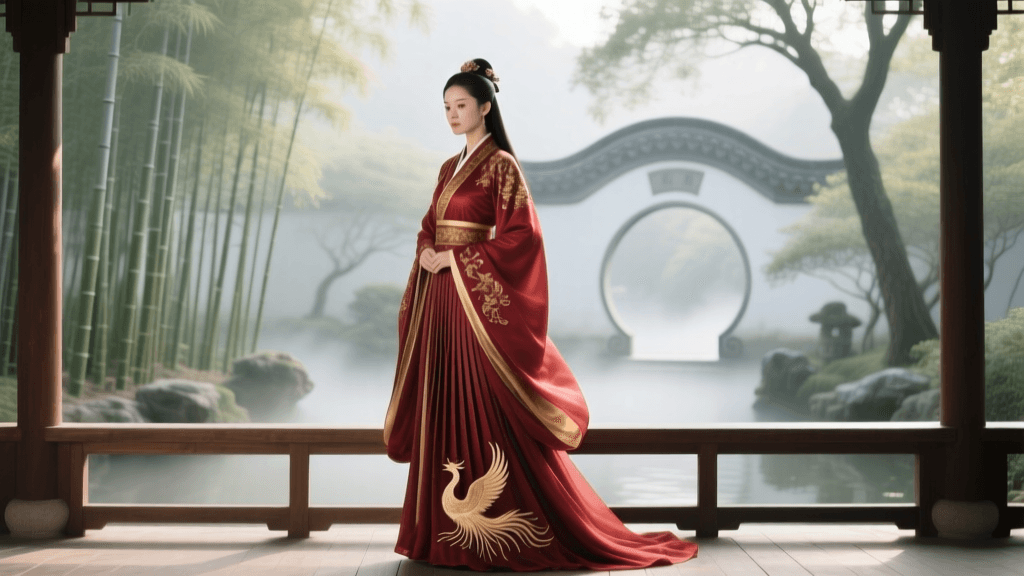
The Ming Dynasty Fengguan Xiapei (Phoenix Crown and Rosy Capes) remains the absolute pinnacle of traditional Chinese wedding attire. The bride wears a heavily embroidered Mamianqun (horse-face skirt) paired with a red or dark blue Yuanlingpao or Dahu. The Xiapei (rosy capes) are draped over the shoulders, weighted with jade or gold pendants at the bottom to ensure they hang perfectly straight. The Fengguan (phoenix crown) is an intricate wire-and-pearl headdress. Due to the heavy layers and rich velvets or brocades used, this style is highly recommended for autumn and winter weddings. Bespoke, hand-woven Ming wedding sets in 2026 start at $2,500 and can exceed $8,000 for pure gold-thread embroidery.
Tang Dynasty Style: Qungua and Yuanlingpao
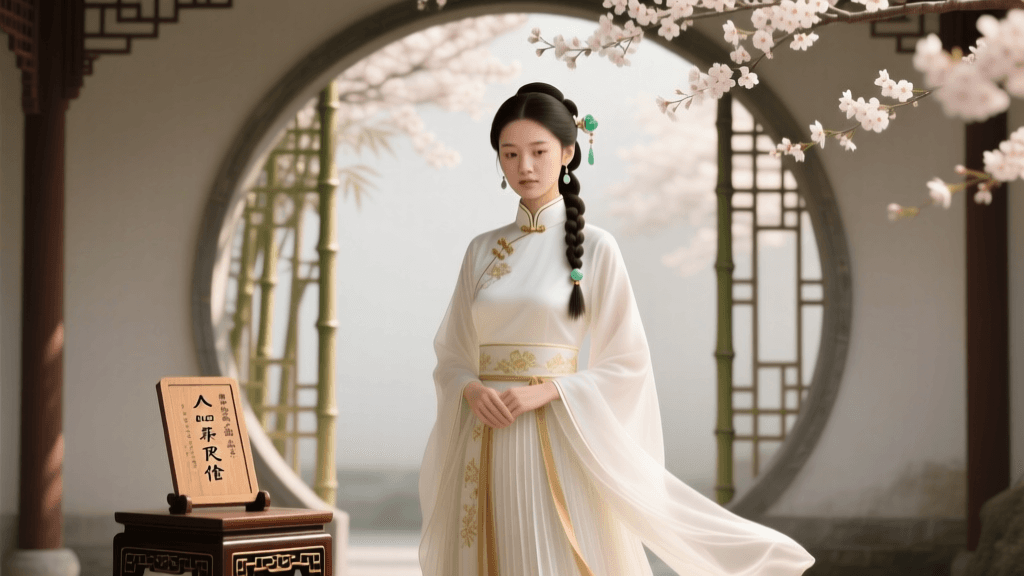
For spring and summer weddings, the Tang Dynasty aesthetic offers a lighter, more vibrant alternative. Brides often wear a Qungua (jacket and skirt) with high-waisted, flowing skirts featuring sheer overlays and bold, large-scale floral motifs. Grooms typically wear a crimson or deep purple Yuanlingpao (round-collar robe) with a black Putou (hat). The breathable silks and organza layers make it ideal for outdoor garden ceremonies.
| Style | Era Inspiration | Formality | 2026 Avg. Cost (USD) | Best Season |
|---|---|---|---|---|
| Fengguan Xiapei | Ming Dynasty | Ultra-Formal | $2,500 - $8,000+ | Autumn / Winter |
| Yuanlingpao & Qungua | Tang Dynasty | Formal | $800 - $2,000 | Spring / Summer |
| Beizi & Baizhequn | Song Dynasty | Semi-Formal | $500 - $1,200 | Spring / Autumn |
Hanfu for Ancestral Rites and the Qingming Festival
When participating in ancestral worship, such as the Qingming Festival (Tomb-Sweeping Day) or the Zhongyuan Festival, the guiding principles of Hanfu selection are modesty, solemnity, and respect. Ancestral rites require a stark departure from the celebratory reds and golds of weddings.
Color and Fabric Etiquette
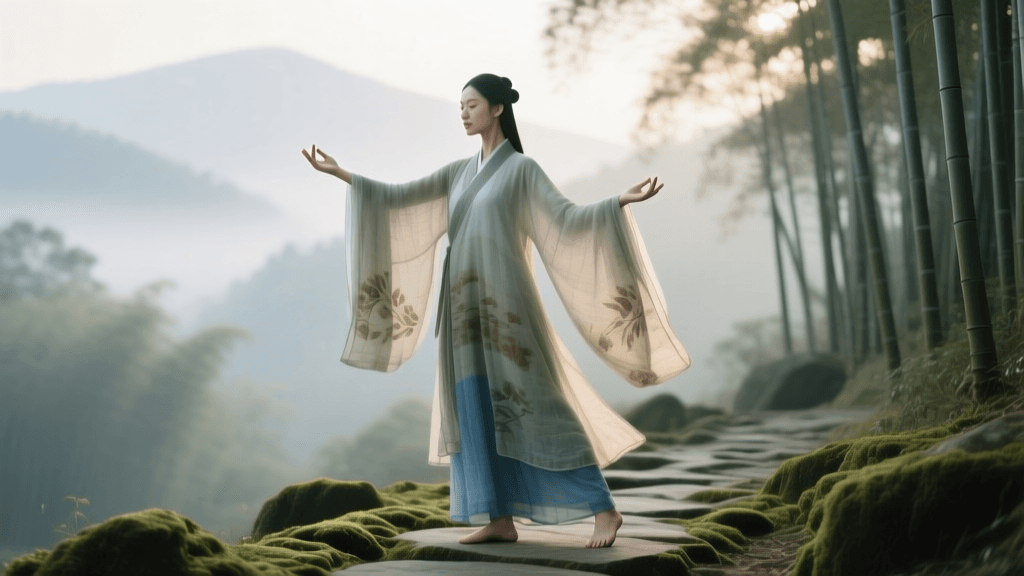
According to historical precedents documented in institutions like the Victoria and Albert Museum's guide to Chinese dress, ritual attire relies heavily on subdued, natural tones. For ancestral rites in 2026, the most appropriate colors are unbleached linen (off-white), pale celadon, slate blue, and deep charcoal. Bright reds, vibrant yellows, and excessive metallic embroidery are considered highly disrespectful in a mourning or veneration context.
The silhouette should be structured but conservative. The Song Dynasty Beizi (a long, straight, side-slit jacket) paired with a pleated skirt or wide-leg trousers is the most popular choice for women due to its elegant restraint. Men typically opt for a plain, dark-colored Shenyi or a simple Lanshan scholar's robe. Fabrics should be matte—raw silk, linen, and heavy cotton are preferred over shiny brocades or satin.
'The essence of ritual dress is not in the display of wealth, but in the outward manifestation of inner reverence. The subdued hues of raw silk and linen connect the wearer to the earth and the ancestors.'
— 2026 Asian Textile Heritage Symposium Guidelines
Etiquette for the Rite Itself
When performing the physical acts of veneration—such as bowing, kneeling, and offering incense—the cut of the Hanfu must accommodate movement without appearing disheveled. Ensure that the sleeves are tied back with subtle Panbo (arm bands) if they are excessively long, as dragging sleeves on the ground of a cemetery or ancestral hall is considered unclean. Footwear should be simple cloth boots or flat, embroidered slippers in dark or neutral tones.
Sourcing Authentic and Sustainable Hanfu in 2026
The 2026 Hanfu market is defined by a commitment to sustainability and technological integration. Leading ateliers now offer 3D body scanning via smartphone apps, ensuring that the complex, multi-layered wrapping of traditional garments fits perfectly without the need for modern tailoring shortcuts like zippers or darts. Traditional ties and hidden loops remain the standard for authentic closures.
Furthermore, the rise of 'Peace Silk' (Ahimsa silk), where the silkworm is allowed to emerge from the cocoon naturally, has become a major selling point for eco-conscious families. Combined with ancient plant-dyeing techniques using madder root, indigo, and pagoda tree buds, modern Hanfu wearers can honor their ancestors while respecting the environment. When sourcing garments, always look for sellers who provide historical provenance, citing specific museum artifacts or archaeological textile finds as the basis for their patterns.
Conclusion
Wearing Hanfu for family ceremonies in 2026 is a profound act of cultural continuity. Whether welcoming a new life, uniting in marriage, or honoring those who came before, the garments we choose serve as a bridge across generations. By adhering to historical etiquette, selecting appropriate fabrics, and respecting the solemnity of each occasion, you ensure that these beautiful traditions continue to thrive with authenticity and grace.