C-Drama Hanfu Guide: Recreate Iconic TV Costume Styles
The C-Drama Effect: How Television Shapes Modern Hanfu
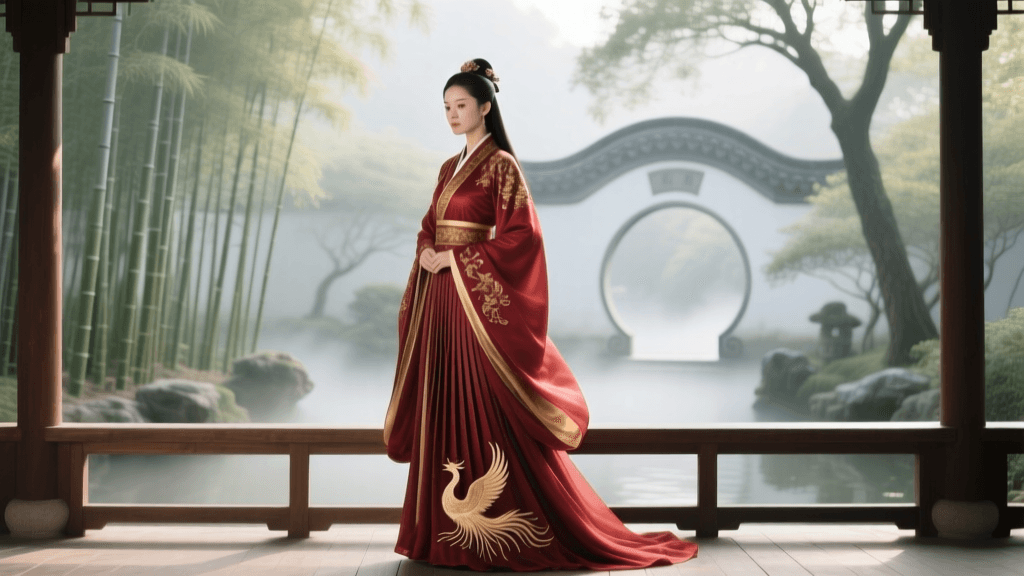
The global explosion of Chinese television dramas, commonly referred to as C-Dramas, has catalyzed a massive resurgence in traditional Chinese clothing. From the ethereal, wind-swept realms of Xianxia (immortal heroes) to the gritty, politically charged courts of Wuxia and historical epics, the screen has become the ultimate runway for Hanfu. Fans are no longer content with merely watching; they want to inhabit these worlds through travel photography, cosplay, and cultural festivals. This guide explores how to translate screen-accurate C-Drama costumes into wearable, high-quality Hanfu, providing actionable advice on sourcing, styling, and garment care.
The influence of television on the traditional garment market cannot be overstated. According to market analyses covered by the South China Morning Post, the Hanfu industry has seen exponential growth, heavily driven by media consumption and viral social media trends. When a hit drama airs, specific garment styles, color palettes, and fabric choices immediately sell out on e-commerce platforms. Furthermore, the push for historical accuracy in prestige dramas has elevated consumer expectations. When examining the costume design of critically acclaimed historical epics like The Longest Day in Chang'an, designers meticulously recreated Tang Dynasty aesthetics, utilizing authentic weaving techniques and natural dyes. As noted by China Daily, the production team consulted extensively with historians to ensure the round-collar robes and makeup styles reflected the 8th century. This trickle-down effect means modern buyers now demand historical accuracy, proper structural tailoring, and high-quality textiles rather than cheap, costume-party imitations.
Deconstructing Iconic C-Drama Garment Archetypes
To recreate a specific C-Drama look, you must first understand the three primary genres of Chinese historical television and their corresponding sartorial rules. Each genre demands different fabrics, silhouettes, and accessories to achieve an authentic aesthetic.
| Genre | Key Garments | Fabric Focus | Est. Cost (USD) | Best For |
|---|---|---|---|---|
| Xianxia (Immortal Fantasy) | Guangxiu (large sleeves), Qixiong Ruqun (chest-high skirts), flowing shawls | Gradient chiffon, lightweight silk organza, tulle | $80 - $250 | Ethereal travel photography, windy outdoor shoots |
| Wuxia (Martial Arts) | Zhixiu (narrow sleeves), Jiaoling Youren (cross-collar tops), leather bracers | Cotton-linen blends, raw silk, textured weaves | $50 - $150 | Dynamic action shots, bamboo forest shoots, daily wear |
| Court / Historical (Palace Intrigue) | Mamianqun (horse-face skirts), Yuanlingpao (round-collar robes), Pifeng (capes) | Heavy brocade, Zhijin (woven gold), 19-momme silk | $150 - $500+ | Museum visits, formal festivals, architectural photography |
Sourcing Screen-Accurate Hanfu: A Buyer's Guide
Finding the perfect garment requires navigating the specialized terminology of the Hanfu market. When searching on platforms like Taobao, Weidian, or dedicated international retailers, use these specific terms to filter for quality and screen-accuracy:
- Fangzhi (Replica): These are 1:1 recreations of specific drama costumes, often licensed or meticulously reverse-engineered by top-tier Hanfu brands like Shisan Yu or Ming Huatang. Expect to pay a premium for accurate embroidery and custom-woven fabrics.
- Gai Liang (Modified): These garments take historical or screen-accurate silhouettes and adapt them for modern daily wear. Sleeves may be shortened, and skirts may feature hidden pockets or elastic waistbands. Ideal for Wuxia-inspired street style.
- Tongzhi (Co-creation): Fan-funded batches where communities pool money to commission factories to produce highly specific, niche garments seen in lesser-known indie dramas or historical documentaries.
Critical Measurements for Drama Silhouettes
Television costumes rely on exaggerated proportions to create drama on camera. When ordering, pay attention to these specific measurements to replicate the screen magic:
- Sleeve Drop (Guangxiu): For Xianxia immortals, look for a total sleeve span (tip-to-tip) of at least 130cm to 150cm. This allows the fabric to pool elegantly when the arms are lowered and creates massive, wing-like arcs during movement.
- Skirt Length (Mamianqun): Court dramas feature skirts that graze the floor to hide the feet, creating a gliding illusion. For a wearer who is 165cm tall, order a skirt length of 105cm to 110cm, and plan to wear traditional cloud-toe shoes or hidden platform inserts.
- Collar Overlap: Always ensure the garment follows the Jiaoling Youren rule: the left side of the collar must cross over the right side. The reverse is traditionally reserved for the deceased and is a glaring error in historical costuming.
Practical Styling for Cosplay and Travel Photography
A C-Drama costume is incomplete without the appropriate hair, makeup, and environmental staging. The cultural resonance of these shows extends far beyond mere viewership. As explored in a comprehensive piece by Sixth Tone, the modern Hanfu movement is deeply tied to a holistic revival of traditional aesthetics, including classical grooming and photography techniques.
Hair and Accessories
Television productions use complex, custom-molded wigs. For real-world styling, invest in a high-quality, heat-resistant lace-front wig in natural off-black (avoid synthetic blue-blacks, which look cheap on camera). Key accessories include:
- Buyao (Step-Shake Hairpins): Essential for Xianxia and Court styles. These feature dangling tassels or pearl drops that tremble with every step, catching the light and adding kinetic energy to video and photography.
- Shuguan (Hair Crowns): For male or gender-neutral Wuxia styling, a silver or jade-textured hair crown is necessary to secure a half-up topknot, leaving the lower sections of hair flowing freely to suggest a wandering swordsman aesthetic.
Makeup: The Huadian and Eyebrows
To achieve the Tang Dynasty court look popularized by dramas like The Longest Day in Chang'an, incorporate Huadian—the traditional forehead decals. While historical nobles used gold leaf or crushed pearls, modern enthusiasts can use biodegradable cosmetic foils or hand-painted designs using liquid eyeliner. Pair this with 'moth-wing' eyebrows (drawn slightly upward and diffused at the tails) and a gradient lip tint concentrated on the inner lips.
Photography and Posing
'The secret to C-Drama photography is not just the garment, but how the garment interacts with the environment. You must use the wind, the water, and the architecture to give the silk a life of its own.' — Anonymous Hanfu Travel Photographer
To capture the cinematic essence of a C-Drama, shoot during the 'golden hour' just after sunrise or before sunset. Utilize a portable battery-operated fan to artificially inflate large sleeves and skirts if the natural breeze is insufficient. When posing, avoid static, square-shouldered stances. Instead, adopt a slight three-quarter turn, drop the shoulder closest to the camera, and use the sleeves to frame the face or obscure half the body, creating a sense of mystery and movement characteristic of Wuxia cinematography.
Garment Care for Theatrical and Replica Garments
High-quality Hanfu, particularly those featuring woven gold (Zhijin) or delicate silk organza, require meticulous care to maintain their screen-accurate drape and structural integrity.
- Washing: Never machine wash structured garments like Mamianqun or brocade jackets. The pleats of a horse-face skirt are heat-set and sometimes stitched at the top; machine agitation will destroy the pleat lines. Hand wash in cold water using a pH-neutral silk detergent.
- Drying: Never wring out silk or chiffon. Press the water out by rolling the garment in a clean, dry microfiber towel. Hang to dry in the shade; direct sunlight will fade the complex gradient dyes used in Xianxia costumes.
- Storage: Do not hang heavy, woven-gold jackets on thin wire hangers, as the weight of the fabric will distort the shoulder seams. Fold them carefully with acid-free tissue paper stuffed in the sleeves to maintain volume, and store them in breathable cotton garment bags with cedar blocks to deter moths.
By understanding the distinct archetypes, sourcing garments with an eye for historical and cinematic proportions, and mastering the art of traditional styling, you can successfully bridge the gap between the television screen and the real world. Whether you are wandering through the classical gardens of Suzhou or attending a cultural festival abroad, wearing a meticulously curated C-Drama-inspired Hanfu is a profound way to engage with and celebrate the living history of Asian traditions.