Decoding Kimono Fabrics: Silk Weaves and Dyeing Guide
The Architecture of Elegance: Understanding Kimono Craftsmanship
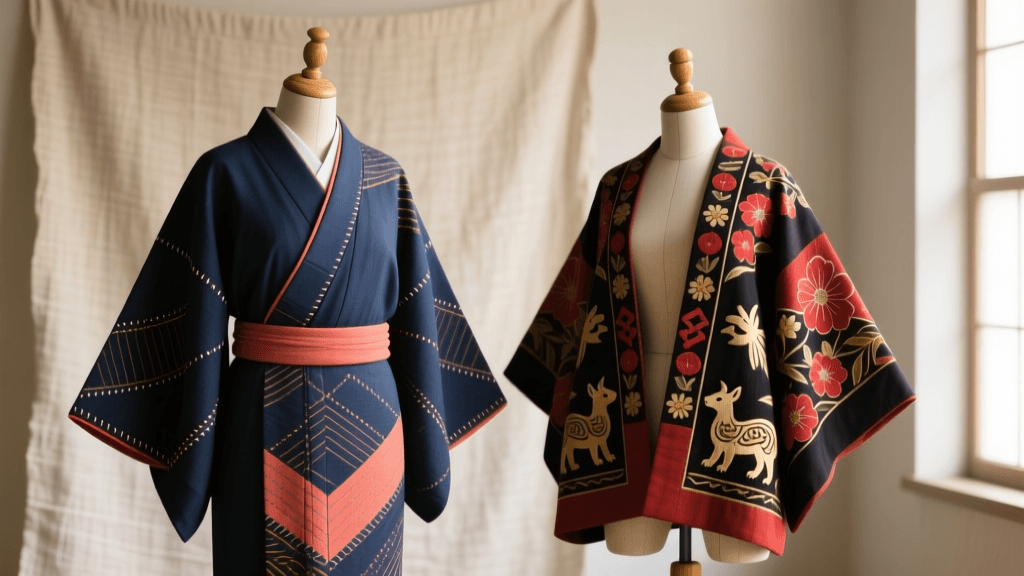
The kimono is universally recognized as a symbol of Japanese culture, but to view it merely as a garment is to overlook its true nature. In the realm of traditional Japanese dress, the kimono is essentially a canvas. Unlike Western tailoring, which relies on complex cutting and stitching to create a three-dimensional silhouette, the kimono is constructed from straight, rectangular panels of fabric. This T-shaped structure means that the artistry, formality, and value of the garment are almost entirely dictated by the textile itself. According to the Victoria and Albert Museum, the evolution of the kimono from the kosode of the Edo period to its modern iteration is a testament to Japan's unparalleled mastery of textile engineering and surface design.
For collectors, cultural enthusiasts, and prospective buyers, understanding the nuances of kimono craftsmanship—specifically the foundational silk weaves and the intricate dyeing techniques—is essential. This guide decodes the materials that make up Japan's most iconic garment, offering practical insights into sourcing, measurements, and preservation.
The Foundation: Traditional Silk Weaves
The base fabric of a kimono determines its drape, texture, and appropriate season. While cotton (momen), hemp (asa), and wool are used for casual or winter wear, silk remains the undisputed pinnacle of kimono craftsmanship. The three primary silk weaves you will encounter are Chirimen, Rinzu, and Tsumugi.
Chirimen (Crepe Silk)
Chirimen is the most common and versatile silk weave used in kimono making. It is created by using untwisted threads for the warp and highly twisted threads for the weft. When the fabric is woven and subsequently washed, the tension in the twisted weft threads causes the fabric to shrink and pucker, resulting in a distinctive pebbled, crepe-like texture. This texture not only gives chirimen a beautiful, subtle drape but also makes it highly resistant to wrinkling. Because of its slightly matte finish and excellent absorbency, chirimen is the preferred canvas for elaborate Yuzen dyeing.
Rinzu (Satin Damask)
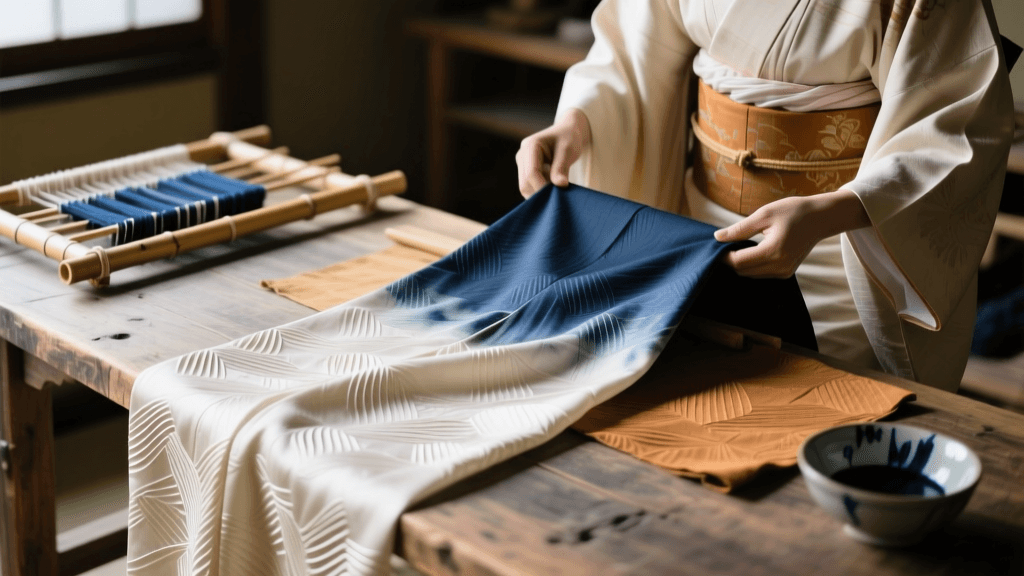
If chirimen is the workhorse of the kimono wardrobe, rinzu is its aristocratic counterpart. Rinzu is a satin damask weave characterized by its glossy, lustrous surface and soft, heavy drape. Patterns are woven directly into the fabric using a combination of matte and shiny threads, creating a subtle, tonal effect that catches the light as the wearer moves. Because the weaving process is incredibly complex and time-consuming, rinzu is typically reserved for highly formal garments, such as wedding uchikake or the furisode worn by unmarried women at coming-of-age ceremonies. The historic Nishijin district in Kyoto is world-renowned for producing the finest rinzu textiles, a tradition documented extensively by the Kyoto City Official Travel Guide.
Tsumugi (Pongee)
Tsumugi represents the rustic, wabi-sabi aesthetic of Japanese textiles. It is woven from silk noil—the short, leftover fibers from the silk reeling process. These fibers are spun into yarn rather than reeled into continuous filaments, resulting in a fabric that is matte, lightweight, and slightly uneven to the touch. Tsumugi often features kasuri (ikat) patterns, where the threads are dyed before weaving to create blurred, geometric, or pictorial designs. Historically worn by commoners and merchants, tsumugi is highly prized today for its understated elegance and exceptional durability.
The Alchemy of Color: Yuzen and Shibori Dyeing
Once the silk is woven, it becomes a canvas for Japan's master dyers. The application of color and pattern is where the kimono truly comes alive, with techniques passed down through generations of artisans.
Kyo-Yuzen vs. Kaga-Yuzen
Yuzen is a resist-dyeing technique invented in the late 17th century by Miyazaki Yuzensai. It involves applying a waterproof rice paste (itome-nori) to the outlines of a design to prevent dyes from bleeding. This allows for incredibly detailed, painterly motifs that resemble traditional Japanese scroll paintings. There are two primary regional styles:
- Kyo-Yuzen (Kyoto): Known for its opulent, stylized designs, extensive use of gold and silver leaf (surihaku), and vibrant, contrasting colors. It often features classical motifs like court carriages, fans, and seasonal flora.
- Kaga-Yuzen (Kanazawa): Characterized by a more realistic, botanical approach. It utilizes a specific palette of five colors (kaga-gosai) and frequently incorporates 'mushi-kui' (insect-eaten leaves) to reflect the transient beauty of nature.
Shibori and Kanoko
Shibori is the Japanese art of shaped-resist dyeing, encompassing binding, stitching, folding, and twisting the fabric before submerging it in indigo or other dyes. The most labor-intensive and valuable form is Kanoko shibori, which mimics the spots of a fawn. Artisans use their fingernails to pinch tiny sections of silk and bind them tightly with thread before dyeing. A single high-end furisode featuring full kanoko shibori can take over a year to complete and requires the artisan to tie hundreds of thousands of individual knots.
Comparison Chart: Kimono Fabric Types and Uses
| Fabric / Technique | Weave / Style | Formality Level | Typical Cost (USD) | Primary Use |
|---|---|---|---|---|
| Chirimen | Crepe Weave | Medium to High | $300 - $2,500 | Visiting wear (Homongi), Tea Ceremony |
| Rinzu | Satin Damask | Very High | $1,500 - $8,000+ | Weddings, Furisode, Formal Ceremonies |
| Tsumugi | Pongee / Ikat | Casual to Smart | $200 - $3,000 | Street wear, Cultural events, Daily use |
| Kyo-Yuzen | Resist Dyeing | High | $800 - $5,000 | Homongi, Tsukesage, Formal parties |
| Kanoko Shibori | Tie-Dye | Very High | $3,000 - $15,000+ | Furisode, Heirloom investment pieces |
Practical Buyer’s Guide: Sourcing, Measurements, and Costs
Purchasing an authentic kimono requires an understanding of traditional Japanese measurements and market dynamics. Whether you are buying vintage or commissioning a new piece, these practical details will guide your investment.
Understanding the Tanmono (Fabric Bolt)
Kimono are not cut from wide rolls of fabric like Western clothing. They are constructed from a single bolt of cloth called a tanmono. A standard women's tanmono measures approximately 38 centimeters (15 inches) in width and 12 meters (13.1 yards) in length. This standardized width dictates the maximum sleeve depth and body panel width of the kimono. When buying vintage, always check if the kimono was made from a standard tanmono or a wider, custom-ordered bolt, as this affects how it can be resized or remodeled.
Navigating Costs and Timing
The price disparity in the kimono market is vast. A mass-produced, machine-washable polyester kimono may cost $50, while a hand-woven, hand-dyed Oshima Tsumugi can easily exceed $10,000. For collectors seeking authentic silk craftsmanship:
- Vintage Market: Excellent condition, mid-20th-century silk kimono can be found in Kyoto antique markets (like the Toji Temple flea market) or specialized online exporters for $100 to $500.
- Modern Artisan: Commissioning a new, bespoke chirimen kimono with hand-painted Yuzen from a Kyoto atelier will start around $2,500 and can reach $15,000 depending on the use of gold leaf and embroidery.
- Best Time to Buy: If shopping in Japan, visit department stores in early January for 'Hatsu-uri' (New Year sales) where high-end kimono accessories and garments are heavily discounted. For summer-weight silk (ro or sha), shop in May and June.
Inspecting for Quality and Damage
When evaluating a vintage silk kimono, inspect the fabric for 'shattering'—a condition where weighted silk degrades and splits along the fold lines due to historical use of metallic salts in the dye. Hold the garment up to the light and gently flex the seams. Additionally, check the hiyoku (the extra lining at the hem and cuffs). A pristine, contrasting hiyoku indicates a garment that was well-maintained and likely reserved for high-formality events.
Preservation: Caring for Silk Garments
Silk is a protein fiber that is highly susceptible to moisture, light, and improper storage. To preserve the structural integrity and vibrancy of a silk kimono, adhere to these care protocols:
- Airing Out: After wearing, hang the kimono on a wide, specialized kimono hanger (emono-kake) in a shaded, well-ventilated room for 24 hours to allow sweat and moisture to evaporate before folding.
- Cleaning: Never wash a silk kimono at home. Seek out a professional service offering maru-arai, a traditional full-immersion cleaning process using specialized solvents that protect the rice-paste resist and dyes.
- Storage: Fold the kimono along its original seam lines and wrap it in acid-free tatou paper. Store it in a wooden drawer (kiri wood is ideal as it regulates humidity) alongside natural camphor or cedar blocks to deter insects. Avoid plastic bins, which trap moisture and promote mold growth.
Conclusion
The craftsmanship behind a traditional Japanese kimono is a harmonious blend of structural simplicity and surface complexity. From the meticulous twisting of chirimen threads to the painstaking application of rice paste in Kyo-Yuzen dyeing, every step of the process reflects a deep reverence for materials and nature. As noted by experts at Kogei Japan, preserving these traditional crafts is not just about maintaining historical techniques, but about keeping a living, breathing art form relevant in the modern world. By understanding the weaves, dyes, and proper care of these textiles, collectors and enthusiasts can ensure that these masterpieces of Asian tradition continue to be cherished for generations to come.