Top Hanfu Styles for Qigong & Meditation Wellness in 2026
The Intersection of Hanfu and Chinese Wellness in 2026
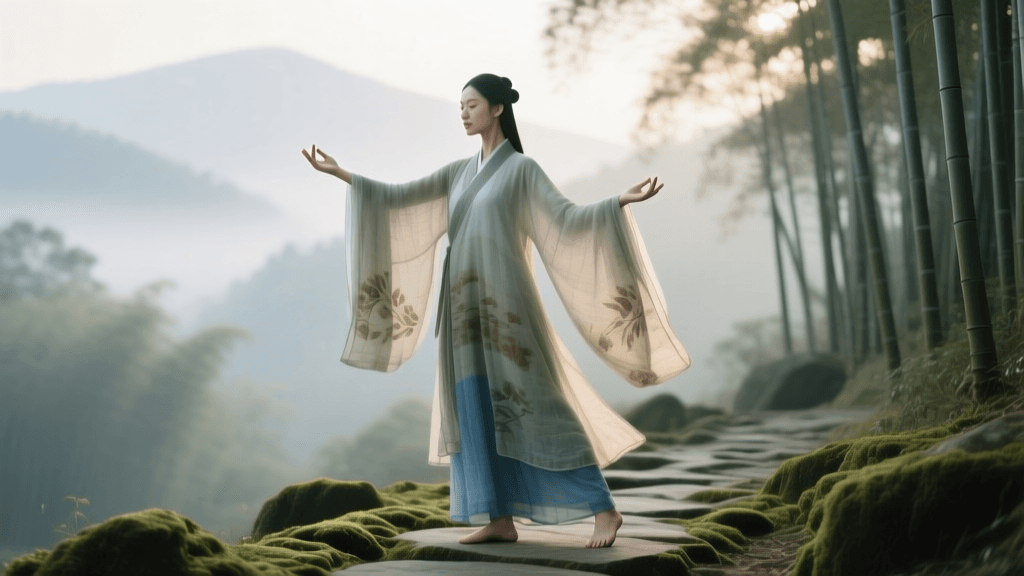
In 2026, the global wellness movement has fully embraced the concept of 'somatic dressing'—the idea that what we wear directly impacts our nervous system, breathwork, and energetic flow. At the forefront of this movement is the integration of traditional Hanfu into daily Qigong, Tai Chi, and meditation practices. No longer reserved solely for historical reenactments or festive photography, Hanfu has evolved into a functional, mindful wardrobe for modern practitioners seeking deeper connections to their bodies and the earth.
The ancient Chinese understood that clothing was an extension of the body's microclimate and energetic field. Today, wellness enthusiasts are returning to these roots, abandoning restrictive synthetic activewear in favor of flowing, natural-fiber garments that allow for the unhindered circulation of Qi (vital energy). According to the World Health Organization, traditional medicine and mindful movement practices like Qigong continue to see massive global adoption due to their proven benefits in stress reduction and holistic health. When paired with the correct traditional garments, these practices are elevated from mere physical exercise to profound moving meditations.
Why Fabric Choice Matters for Qigong and Meditation
The foundation of any wellness-focused Hanfu is its textile. In 2026, the market has shifted heavily toward heritage fibers that offer superior thermoregulation and skin-breathability, which are critical when the body's pores open during deep meditation or vigorous Ba Duan Jin (Eight Brocades) forms.
Ramie (Xia Bu) and Heritage Hemp
Ramie, often referred to as 'Chinese linen,' is the undisputed champion of summer Qigong wear. Unlike modern linen, high-grade 2026 enzyme-washed ramie is incredibly soft against the skin while maintaining a crisp, structured drape. This structure is vital; it prevents the fabric from clinging to the skin when you sweat, maintaining a pocket of circulating air around the body. Hemp is similarly revered for its natural antibacterial properties and grounding texture. Both fibers possess a slight natural stiffness that creates a gentle, tactile feedback loop against the skin, helping practitioners maintain postural awareness during standing meditations (Zhan Zhuang).
Peace Silk (Ahimsa) for Deep Seated Meditation
For Yin practices, seated meditation, or cooler environments, Peace Silk (Ahimsa silk) has become the gold standard. Harvested without harming the silkworm, this ethical textile aligns with the Buddhist and Taoist principles of non-violence (Ahimsa) that underpin many meditation traditions. Peace silk provides a subtle, insulating warmth that protects the joints and the lower back (the Mingmen point) from cold drafts, which traditional Chinese medicine warns can infiltrate the body when it is in a deep, relaxed state.
Top Hanfu Silhouettes for Mindful Movement
The cut of a Hanfu garment dictates how it moves with your body. For Qigong and meditation, the silhouette must allow for expansive chest breathing, deep stances, and the raising of arms without the fabric pulling or restricting the meridians.
The Daopao (Taoist Robe)
The Daopao is a cross-collared, wide-sleeved robe with deep side slits. It is the quintessential garment for Ba Duan Jin and Tai Chi. The cross-collar (Jiaoling Youren) naturally frames the neck and encourages the spine to align upright, while the wide sleeves allow for the 'cloud hands' movement without resistance. The side slits are crucial; they ensure that when you drop into a deep horse stance (Ma Bu), the fabric flows outward rather than binding at the knees and hips. In 2026, modern wellness brands have introduced the 'active Daopao,' featuring hidden underarm gussets for even greater mobility.
Songku (Wide-Leg Trousers) and Banbi (Half-Sleeve Vests)
For more vigorous Qigong routines or outdoor morning practices, pairing a lightweight inner shirt with Songku (wide-leg, pleated trousers) is ideal. The Songku features a high, elasticated or drawstring waist that sits above the hips, ensuring zero compression on the Dantian (the body's energetic center located two inches below the navel). Layering this with a Banbi (a short, sleeveless vest) made of quilted organic cotton provides core warmth without restricting arm movement.
The Grounding Power of Natural Eco-Dyes
The wellness Hanfu movement of 2026 is deeply intertwined with the revival of botanical dyeing. Synthetic azo dyes are increasingly recognized as skin irritants that can disrupt the body's subtle energetic field. In contrast, plant-based dyes offer both aesthetic beauty and therapeutic grounding.
- Indigo (Lan Cao): Known for its cooling properties and calming visual frequency. Wearing indigo-dyed ramie during evening meditation helps signal the parasympathetic nervous system to wind down.
- Madder Root (Qian Cao): Yields warm, earthy reds and terracottas. It is traditionally associated with the heart meridian and is favored for morning Qigong to stimulate vitality and blood circulation.
- Tea and Lotus Stamen: Produce soft, muted browns and golds. These dyes are rich in natural tannins, which give the fabric a slightly astringent, purifying quality that many practitioners find deeply centering.
The shift toward these sustainable, non-toxic fibers is backed by broader industry data. Reports from Textile Exchange highlight a massive consumer pivot in 2026 toward naturally dyed, preferred fibers that support both environmental biodiversity and human skin health.
2026 Buyer’s Guide: Sourcing Wellness Hanfu
When investing in Hanfu for wellness, prioritize artisanal makers who specialize in natural fibers over fast-fashion costume replicas. Below is a comparison of the top fabric and style combinations for practitioners this year.
| Garment Style & Fabric | Best Practice Application | 2026 Price Range (USD) | Breathability & Drape |
|---|---|---|---|
| Enzyme-Washed Ramie Daopao | Summer Qigong, Ba Duan Jin, Outdoor Tai Chi | $120 - $180 | High breathability, structured drape |
| Peace Silk Cross-Collar Shirt | Seated Meditation, Yin Yoga, Winter Retreats | $150 - $250 | Thermoregulating, fluid drape |
| Hemp Blend Songku (Trousers) | Standing Meditation (Zhan Zhuang), Deep Stances | $80 - $130 | Medium breathability, high mobility |
| Indigo-Dyed Cotton Banbi | Layering, Core Warmth, Morning Warm-ups | $60 - $95 | Insulating, soft tactile feedback |
Seasonal Adjustments for Mindful Movement
Traditional Chinese wellness practices emphasize living in harmony with the seasons, and your Hanfu wardrobe should reflect this. In the spring and summer, the focus is on dispersing heat and allowing the skin to breathe; lightweight, unlined ramie and sheer gauze (Luo) outer layers are essential. As autumn approaches, practitioners transition to heavier, tightly woven hemp and double-layered cotton to 'seal' the body's energy against the cooling air. Winter meditation requires layered wool-lined vests and heavy silk robes that protect the kidneys and lower back from the cold, ensuring that the body's internal fire (Yang) is preserved during stillness.
Practical Tips for Your First Hanfu Meditation Session
Transitioning from modern activewear to traditional Hanfu for wellness requires a few practical adjustments to ensure your practice remains uninterrupted.
- Mind the Dantian: When tying your sash or waistband, ensure it rests either above the navel or low on the hips. Never bind the lower belly tightly, as this restricts diaphragmatic breathing and blocks the flow of Qi to the Dantian.
- Sleeve Management: If your Daopao features extremely long 'water sleeves' (Shuixiu) that interfere with your hand mudras or Qigong forms, use traditional sleeve ties (Panling) to elegantly bind the excess fabric at the wrists or forearms.
- Grounding Footwear: Complete your wellness ensemble with traditional cloth shoes (Xiezi) featuring soft, flexible cotton soles. For indoor meditation, practicing barefoot or in unbleached cotton socks is recommended to maintain a direct energetic connection with the floor. Research highlighted by the National Center for Complementary and Integrative Health emphasizes that physical comfort and grounding are critical for sustaining the deep focus required in mindfulness practices.
- Pre-Wash Your Garments: Natural fibers like hemp and ramie will soften significantly after the first few washes. Always wash your wellness Hanfu in cold water with a pH-neutral detergent to preserve the integrity of natural botanical dyes.
Conclusion
As we navigate the wellness landscape of 2026, the integration of Hanfu into Qigong and meditation offers a profound return to holistic living. By choosing breathable, natural fibers, respecting the geometry of traditional silhouettes, and embracing the grounding power of eco-dyes, practitioners can transform their wardrobe into a vital tool for physical health and spiritual alignment. Whether you are flowing through Tai Chi in a sunlit park or sitting in silent meditation at dawn, the right Hanfu acts as a gentle, supportive embrace, allowing your energy to move freely and your mind to find its center.