2026 Cheongsam Runway Trends: Styling High-Fashion Qipao Editorials
The 2026 Editorial Shift: From Costume to Couture
The global fashion media landscape of 2026 has undergone a profound transformation in how it portrays and integrates Asian traditional garments. In the glossy pages of Vogue, Harper's Bazaar, and Elle's Spring/Summer 2026 issues, the cheongsam (also widely known as the qipao) has firmly shed the outdated, hyper-sexualized tropes of mid-century Western cinema. Today, top-tier fashion editors and avant-garde stylists are celebrating the garment for its architectural tailoring, rich textile heritage, and remarkable versatility. The modern cheongsam is no longer relegated to ceremonial wear or costume parties; it is a staple of high-fashion editorials and global runways.
Historically, Western fashion media struggled with the representation of East Asian garments, often reducing them to mere exoticism. However, the 2026 editorial shift is driven by a new generation of Asian and Asian-diaspora creative directors, stylists, and photographers who are reclaiming the narrative. According to the Victoria and Albert Museum's extensive archives on Chinese dress, the qipao has always been a garment of modernity and evolution, adapting from the loose, modest robes of the Qing dynasty to the form-fitting, liberated silhouettes of 1930s Shanghai. Today's fashion media is honoring that spirit of evolution, pushing the boundaries of what a cheongsam can be in the modern wardrobe.
Key 2026 Runway and Editorial Qipao Trends
To successfully adapt high-fashion looks for everyday wear, one must first understand the core trends dominating the 2026 editorial spreads and global runways. This year, the focus is on structural innovation, sustainable heritage textiles, and fluid silhouettes.
1. The Deconstructed Mandarin Collar
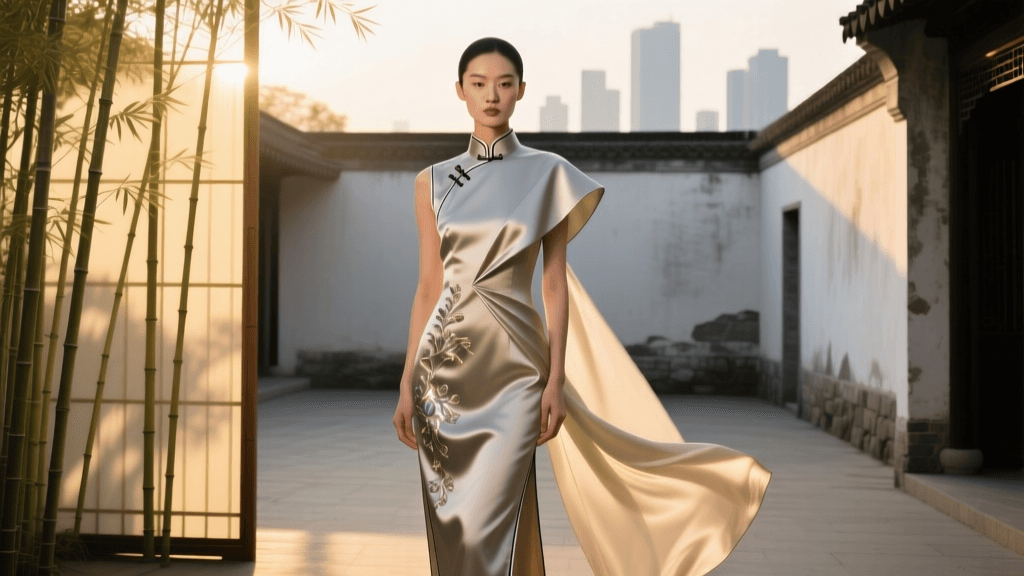
The iconic Mandarin collar (standing collar) remains the defining feature of the cheongsam, but in 2026, fashion media is showcasing it in deconstructed formats. Editorial spreads feature asymmetric necklines where the collar is left open, folded down, or extended into dramatic scarf-like drapes. This trend softens the rigid formality of the traditional high neck, making the garment feel effortless and contemporary. Stylists are pairing these deconstructed tops with wide-leg wool trousers and structured minimalist footwear, creating a look that bridges the gap between boardroom power-dressing and evening elegance.
2. Sustainable Silk and Upcycled Brocade
Sustainability is the undisputed buzzword of 2026 fashion media, and the cheongsam is at the forefront of this movement. Top fashion houses are collaborating with heritage artisans to source eco-friendly silks and upcycle vintage brocades. This aligns with global efforts to preserve traditional techniques, such as those recognized by UNESCO's Intangible Cultural Heritage list for sericulture and silk craftsmanship. In recent Vogue editorials, models are photographed wearing qipaos crafted from peace silk and deadstock jacquard, highlighting a conscious luxury aesthetic that resonates deeply with modern consumers.
3. Gender-Fluid and Boxy Silhouettes
Perhaps the most groundbreaking trend in 2026 is the rise of the gender-fluid cheongsam. Moving away from the skin-tight silhouettes of the 1960s, contemporary designers are introducing oversized, boxy cuts that drape elegantly over all body types. The Metropolitan Museum of Art notes in its Heilbrunn Timeline of Art History regarding Qing dynasty textiles that early Manchu robes were characterized by their straight, voluminous cuts. Modern designers are tapping into this historical volume, creating unisex qipao jackets and shift dresses that prioritize comfort and architectural drape over restrictive tailoring.
Translating High-Fashion Editorials to Everyday Wear
While runway looks and high-concept editorial spreads are visually stunning, they are not always practical for daily life. The key to mastering the 2026 cheongsam trend is learning how to adapt these avant-garde concepts into wearable, respectful, and stylish everyday outfits. Below is a practical guide to translating this year's top media trends into your personal wardrobe.
| 2026 Editorial Trend | Everyday Adaptation | Estimated Cost (2026) | Actionable Styling Tip |
|---|---|---|---|
| Deconstructed Collar Gown | Wrap-style Qipao Blouse | $280 - $450 | Pair a silk wrap-style qipao blouse with high-waisted, wide-leg denim and pointed-toe ankle boots. Ensure the shoulder seam drops exactly 1.5 inches past the natural shoulder for a relaxed, modern fit. |
| Heavy Upcycled Brocade Train | Brocade Midi Skirt | $350 - $600 | Opt for an A-line midi skirt featuring subtle brocade paneling. Balance the ornate textile with a crisp, oversized white poplin button-down shirt and minimalist leather loafers. |
| Oversized Gender-Fluid Qipao Coat | Structured Qipao Duster | $500 - $950 | Wear a mid-calf length, straight-cut qipao duster over a simple turtleneck and tailored trousers. Use the traditional frog closures (pankou) as the sole focal point of the outfit. |
| Asymmetric Cut-Out Runway Dress | Color-Blocked Shift Dress | $400 - $750 | Choose a knee-length shift dress with subtle color-blocking rather than extreme cut-outs. Layer over a fine-gauge merino wool turtleneck in the winter months for practical warmth and editorial layering. |
Sourcing Authentic and Modern Pieces in 2026
The democratization of fashion media means that you no longer need a celebrity stylist to access high-quality, modern cheongsams. In 2026, several contemporary brands are leading the charge in bridging the gap between editorial high fashion and accessible retail. Labels like Samuel Guì Yang and Ming Ma continue to be darlings of the global fashion press, offering investment pieces that feature impeccable tailoring and innovative textile use. For those seeking more accessible entry points, modernized lines from heritage brands like Shanghai Tang have introduced 2026 capsule collections that focus on sustainable fabrics and relaxed, everyday silhouettes.
When shopping, pay close attention to the pankou (frog closures). In high-quality 2026 garments, these knots are hand-rolled and tightly stitched, serving as both a functional fastener and a piece of wearable art. Avoid mass-produced pieces where the knots are merely glued or loosely machine-stitched, as these lack the structural integrity and cultural authenticity championed by today's fashion editors.
Respectful Styling: Navigating Cultural Appreciation
As the cheongsam continues to gain prominence in global fashion media, the conversation around cultural appreciation versus appropriation remains vital. The 2026 fashion consensus is clear: wear the garment with an understanding of its history and avoid treating it as a costume. Fashion editors emphasize that respectful styling means avoiding the mixing of the cheongsam with unrelated cultural signifiers or overly theatrical makeup.
Instead, let the garment speak for itself. Honor the craftsmanship by investing in quality pieces, supporting Asian designers, and understanding the regional nuances of the garment's evolution. Whether you are attending a gallery opening in a sleek, deconstructed qipao blouse or heading to the office in a tailored brocade duster, the modern cheongsam offers a masterclass in how traditional Asian garments can seamlessly and respectfully elevate the contemporary global wardrobe.