Artisan Geta & Zori Craft: Traditional Footwear Guide 2026
The Enduring Legacy of Japanese Footwear in 2026
In the ever-evolving global fashion landscape of 2026, traditional Japanese footwear has experienced a profound renaissance. Far from being relegated to museum displays or seasonal festival wear, artisan-crafted geta and zori are now celebrated for their ergonomic brilliance, sustainable material sourcing, and deep connection to Zen spirituality. As contemporary designers and heritage artisans collaborate, the craftsmanship behind these iconic sandals offers a masterclass in functional art. For enthusiasts of Asian traditions and textile history, understanding the intricate anatomy, material science, and styling of traditional Japanese footwear provides a unique window into a culture that seamlessly blends the ancient with the avant-garde.
The Anatomy of Traditional Japanese Footwear
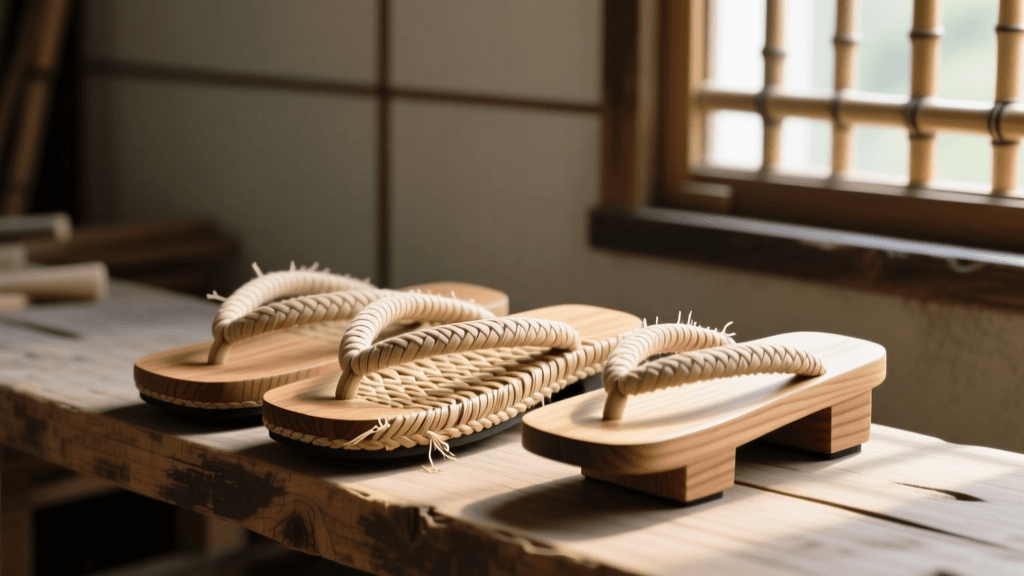
To truly appreciate the craft, one must first understand the structural differences between the two primary categories of traditional Japanese footwear: the elevated wooden geta and the flat, woven zori. While both utilize the iconic V-shaped thong known as the hanao, their bases and use-cases diverge significantly.
Geta (下駄): The Wooden Clog
Geta are characterized by their wooden base, designed to elevate the wearer above the ground. Historically, this kept expensive silk kimono hems clean from mud and rain. A traditional geta consists of three main components:
- Dai (台): The main wooden board that rests against the sole of the foot.
- Ha (歯): The wooden 'teeth' or stilts attached to the bottom of the dai. Standard geta feature two teeth, while styles like the tengu-geta feature a single, centered tooth.
- Hanao (鼻緒): The fabric thong that passes between the first and second toes, securing the foot to the dai.
Zori (草履): The Woven Sandal
Zori are flat, slip-on sandals that share a similar thonged silhouette but lack the wooden teeth of the geta. Originally woven from straw, modern and artisanal zori in 2026 are crafted from a diverse array of premium materials, including igusa (rush grass), bamboo sheath, washi (Japanese paper), and even ethically sourced leathers. Zori are generally considered more formal than geta and are the standard footwear paired with high-grade silk kimono for tea ceremonies, weddings, and official gatherings.
2026 Artisanal Craftsmanship and Material Sourcing
The year 2026 has seen a massive shift toward hyper-local, sustainable sourcing in Japanese artisanal crafts. According to the Japan Kogei Association, there is a renewed emphasis on preserving indigenous material harvesting techniques that support rural economies and biodiversity.
Hinoki and Kiri Woods
For premium geta, Hinoki (Japanese cypress) remains the gold standard. Harvested from the meticulously managed forests of the Kiso Valley, hinoki is prized for its beautiful grain, natural water resistance, and intoxicating, calming scent. Artisans carve the dai and ha from a single block of hinoki to ensure structural integrity and a resonant acoustic profile. Kiri (paulownia) is also widely used; it is exceptionally lightweight and provides excellent thermal insulation, keeping feet cool in the humid Japanese summer.
The Revival of Kumamoto Igusa
The weaving of igusa (soft rush) for zori and tatami mats is a centuries-old tradition centered in the Yatsushiro region of Kumamoto Prefecture. As noted by the Kumamoto Prefecture Official Government Portal, recent agricultural initiatives in 2026 have successfully revitalized igusa farming, combating the decline caused by cheap synthetic imports. Authentic igusa zori offer unparalleled breathability and a subtle, grassy aroma that evokes the tranquility of a Zen temple.
Material Comparison Chart
When commissioning or purchasing traditional footwear, selecting the right material is crucial for comfort, durability, and aesthetic alignment with your wardrobe. Below is a comprehensive comparison of the primary materials used in 2026.
| Material | Footwear Type | Weight | Water Resistance | Best Use Case |
|---|---|---|---|---|
| Hinoki (Cypress) | Geta | Medium | High | Everyday wear, festivals, rainy seasons |
| Kiri (Paulownia) | Geta | Very Light | Low | Summer wear, indoor events, extended walking |
| Igusa (Rush) | Zori | Light | Very Low | Indoor tea ceremonies, casual summer kimono |
| Takegawa (Bamboo) | Zori | Medium | Medium | Formal events, autumn/spring styling |
| Washi (Paper) | Zori | Light | Low (unless coated) | Avant-garde fashion, dry-weather styling |
Sizing, Fit, and the Art of Wearing
One of the most common mistakes Western consumers make when adopting traditional Japanese footwear is applying standard shoe sizing logic. In 2026, bespoke artisans and heritage brands like those documented in the Tokyo National Museum archives continue to adhere to the traditional fitting philosophy: the heel should slightly overhang the back edge of the dai or zori base.
The 'Heel Hang' Rule
Your toes should sit flush with the front edge, but your heel should extend roughly 1 to 2 centimeters past the back. This intentional overhang prevents the hem of your kimono or yukata from catching on the back of the footwear, which could cause tripping or fabric damage. Furthermore, it encourages a forward-leaning posture that aligns the spine and promotes a graceful, gliding walking gait.
Tying and Adjusting the Hanao
The hanao is not merely a strap; it is a complex knotting system that allows for micro-adjustments. If your thong feels too loose or too tight, an artisan can adjust the internal knots hidden beneath the sole. For minor adjustments at home:
- Locate the primary knot beneath the dai between the two wooden teeth.
- Gently pull the fabric casing back to expose the inner braided cords.
- Tighten or loosen the inner cords to adjust the height of the V-shape over your foot.
- Ensure the knot is pulled tight and reseal the fabric casing to protect the cords from friction.
Market Pricing and Commissioning in 2026
As the appreciation for slow fashion peaks in 2026, investing in authentic, handcrafted Japanese footwear is a commitment to heritage. Mass-produced, synthetic alternatives can be found for under $30 USD, but true artisanal pieces command a premium that reflects hundreds of hours of specialized labor.
- Entry-Level Artisan Geta (Machine-carved, hand-finished): $80 - $150 USD
- Premium Bespoke Hinoki Geta (Hand-carved, custom hanao): $250 - $450 USD
- Authentic Kumamoto Igusa Zori: $120 - $200 USD
- Formal Silk-Brocade Zori (for Kurotomesode kimono): $300 - $600+ USD
When commissioning bespoke pieces, expect a lead time of 4 to 8 weeks, as master carvers and weavers often operate on strict seasonal harvesting schedules.
Care and Maintenance for Longevity
Proper care ensures that natural material footwear can last for decades. The elements that make hinoki and igusa so comfortable—their porosity and organic nature—also make them susceptible to environmental damage if neglected.
Caring for Wooden Geta
Never leave hinoki or kiri geta in direct sunlight or near artificial heating vents, as rapid drying will cause the wood to split. If the wood becomes wet, wipe it with a dry, soft cotton cloth and allow it to air dry in a well-ventilated, shaded area. Once a year, lightly sand the ha (teeth) with fine-grit sandpaper to remove dirt buildup and restore the wood's natural grip and fragrance.
Caring for Igusa and Washi Zori
Woven zori must be kept strictly away from moisture. Never wash igusa with water, as it will cause the rush to swell, warp, and eventually rot. Instead, use a soft, dry brush to gently sweep away dust from the woven crevices. Store your zori in a breathable cotton bag with a small packet of silica gel or traditional hinoki* wood chips to regulate humidity and deter insects.
The Sensory Experience and Zen Spirituality
Beyond their physical utility, geta and zori offer a profound sensory experience deeply rooted in Zen philosophy. The auditory signature of geta—the rhythmic karankoron sound produced when the wooden teeth strike the pavement—is celebrated in Japanese literature and poetry as the soundtrack of nostalgic summer evenings. This acoustic feedback encourages mindful walking; one cannot rush or stomp in geta without creating a jarring noise. Thus, the footwear naturally enforces a measured, deliberate, and peaceful pace.
Similarly, the tactile sensation of bare feet against woven igusa provides a grounding effect, akin to walking on a tatami floor. In 2026, wellness practitioners and mindfulness coaches frequently recommend the use of traditional wooden and woven footwear as a tool for 'earthing' and sensory grounding, bridging the gap between ancient Asian traditions and modern holistic health practices.
Conclusion
The craft of traditional Japanese footwear is a testament to the ingenuity and aesthetic refinement of Asian textile and woodworking traditions. As we navigate the fashion landscape of 2026, the choice to wear handcrafted geta and zori is more than a stylistic statement; it is an act of cultural preservation and a commitment to sustainable, mindful living. Whether you are drawn to the resonant echo of hinoki wood or the earthy comfort of Kumamoto igusa, embracing these artisanal masterpieces connects you to a lineage of craftsmanship that continues to inspire the world.