Kimono for Family Ceremonies 2026: Birth, Coming-of-Age & Memorials
The Enduring Legacy of Ceremonial Kimono in 2026
The rhythm of life in Japan is deeply intertwined with the changing of seasons and the profound milestones of human existence. As we navigate 2026, the traditional kimono remains an irreplaceable vessel for cultural memory, familial duty, and aesthetic expression during life’s most critical transitions. While everyday Western clothing dominates modern Japanese streets, the ceremonial kimono endures as a sacred uniform for birth, coming-of-age, and memorial services. According to the Japan National Tourism Organization (JNTO), the preservation of these garments is not merely about fashion; it is an active participation in centuries-old rituals that bind generations together.
For families planning these milestone events in 2026, understanding the nuanced rules of garment selection, the shifting landscape of rental markets, and the integration of modern textile technology is essential. This comprehensive guide explores the specific kimono traditions for Japan’s most pivotal family ceremonies, offering actionable advice, cost analyses, and styling tips for the modern era.
Omiyamairi: Celebrating Birth and the First Shrine Visit
Approximately one month after a baby is born, Japanese families partake in Omiyamairi (also known as Miyamairi), a Shinto shrine visit to give thanks for the child’s safe delivery and to pray for their healthy future. As detailed in resources covering traditional Japanese life events and ceremonies, this event marks the infant's formal introduction to the local guardian deity (ujigami).
The Baby’s Ceremonial Garments
The focal point of Omiyamairi is the baby’s ceremonial kimono, known as the ubugi or uwa-gi. In 2026, many families opt to use a dengi (heirloom garment) passed down through generations, symbolizing the continuity of the family line. However, for those purchasing or renting new, the modern market offers lightweight, breathable silk blends and antimicrobial linings that cater to the delicate skin of newborns. The baby is typically dressed in a white inner kimono, wrapped in a vibrant, crested outer silk kimono featuring auspicious motifs like cranes, pine trees, or treasure ships, and secured with a wide, decorative sash called a hiroki.
Styling for the Mother and Grandparents
While the baby is the center of attention, the accompanying family members must adhere to strict sartorial hierarchy. The mother, still in her postpartum recovery phase, traditionally wears a Homongi or Tsukesage kimono in subdued, elegant tones, avoiding overly flashy patterns that might outshine the infant or appear disrespectful to the shrine. Grandmothers often wear Edo Komon or high-grade Tsumugi silk, reflecting their senior status with quiet dignity. In 2026, rental packages for Omiyamairi frequently include coordinated family sets, ensuring color harmony without the burden of purchasing multiple high-end silk garments.
Seijin-shiki and Hatachi no Tsudoi: The Coming-of-Age Furisode
The transition into adulthood is one of the most visually spectacular events in Japan. Following the national legal shift that lowered the age of adulthood to 18, municipalities have largely adapted by hosting Hatachi no Tsudoi (Gatherings of 20-Year-Olds) rather than the traditional Seijin-shiki for 18-year-olds, as 18-year-olds are typically occupied with university entrance exams. In 2026, the celebration for 20-year-olds remains a massive cultural touchstone, and the Furisode kimono remains its undisputed queen.
The Art of the Furisode
The Furisode is characterized by its dramatically long, swinging sleeves, which historically symbolized a young woman's unmarried status and were used to wave away evil spirits. As noted in Japan Guide's comprehensive overview of traditional Japanese garments, the length of the sleeve dictates the formality: Oh-furisode (over 114cm) is the most formal, while Chu-furisode (around 100cm) is the standard for Coming-of-Age Day.
For the 2026 ceremonies, bold, high-contrast Kaga Yuzen dyeing techniques are highly sought after, alongside modern interpretations featuring metallic leafing and 3D embroidery. The obi is tied in elaborate, sculptural knots at the back, such as the fukura-suzume (puffed sparrow) or tateya (standing arrow) styles, requiring the expertise of a professional kitsuke (kimono dressing) stylist.
Houji: Honoring Ancestors at Memorial Services
While birth and coming-of-age are celebrations of the future, Houji (memorial services) honor the past. Held on the 3rd, 7th, 13th, and subsequent anniversaries of a loved one's passing, these Buddhist ceremonies require a deep understanding of mourning etiquette and the gradual transition from deep grief to peaceful remembrance.
Navigating Mourning Colors and Textiles
For the immediate aftermath of a death and the 1st-year memorial, attendees wear Mofuku (solid black mourning kimono) with a black Kuro-obi and black accessories. However, by the 3rd and 7th-year Houji, the strict rules of mourning begin to soften. In 2026, it is standard for close family members to transition to an Iromuji (a solid-colored kimono in muted shades like slate grey, deep navy, or eggplant purple) or a subtle Edo Komon.
The obi also transitions from solid black to a Kuro-obi with subtle silver or grey woven patterns, or an Iro-obi in subdued tones. The crests (kamon) on the kimono remain essential; a five-crest (itsutsu-mon) kimono denotes the highest formality, though a three-crest (mitsu-mon) is often acceptable for later memorials depending on the family's regional customs. The fabrics chosen for 2026 memorials increasingly feature stain-resistant and wrinkle-free silk treatments, allowing mourners to focus entirely on the spiritual proceedings rather than garment maintenance.
2026 Market Analysis: Rental vs. Purchase vs. Vintage
The economics of ceremonial kimono have evolved significantly. With high-quality silk garments representing a major financial investment, the 2026 market offers diverse pathways for families. Below is a comparative analysis of the current landscape for a standard Furisode or Homongi package.
| Acquisition Method | Estimated Cost (JPY) | Pros for 2026 Families | Cons & Considerations |
|---|---|---|---|
| Full Rental Package | ¥80,000 - ¥250,000 | Includes dressing, hair styling, and accessories; no storage or cleaning worries. | Limited customization; must adhere to strict return schedules. |
| New Purchase (Bespoke) | ¥400,000 - ¥1,500,000+ | Heirloom quality; perfect fit; complete creative control over motifs and dyeing. | Requires months of lead time; expensive maintenance and climate-controlled storage. |
| Vintage / Recycled Market | ¥30,000 - ¥150,000 | Sustainable; unique Taisho/Showa era aesthetics; highly affordable. | Requires knowledge of sizing and condition checking; accessories sold separately. |
Essential Ceremonial Accessories
A kimono is never worn alone; it is a complex assembly of layers and accessories. Whether renting or buying, families in 2026 must account for the following essential items to complete the ceremonial look:
- Nagajuban (Under-kimono): Protects the outer silk from sweat and oils. Modern 2026 versions often feature washable synthetic collars that mimic silk perfectly.
- Tabi and Zori: Split-toe socks and traditional sandals. For memorials, white tabi and black zori are mandatory; for coming-of-age, vibrant, embroidered tabi are trending.
- Koshi-himo and Date-jime: The hidden ties and sashes that secure the kimono tightly to the body before the decorative obi is applied.
- Obi-jime and Obi-age: The decorative cord and silk scarf used to secure and accentuate the obi knot. These provide a crucial pop of contrasting color.
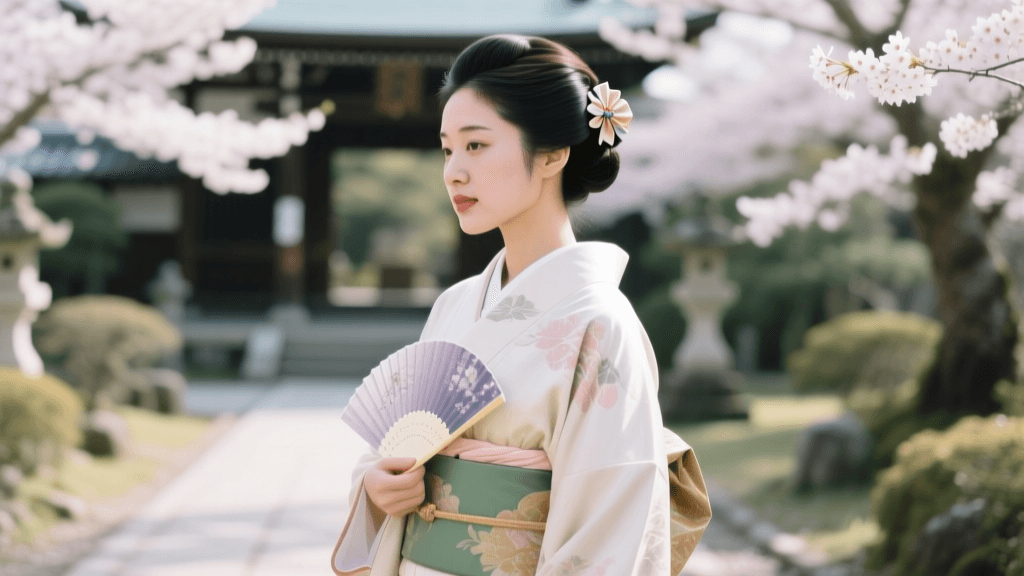
- Sensu (Folding Fan): Tucked into the front of the obi, a gold or silver-leafed fan is a mandatory symbol of prosperity and formal etiquette at shrine visits and coming-of-age ceremonies.
The Future of Tradition: AI Fittings and Sustainable Textiles
The kimono industry in 2026 is experiencing a renaissance driven by technology and ecological awareness. Virtual try-on applications powered by augmented reality (AR) now allow young women to visualize hundreds of Furisode patterns against their exact skin tone and body measurements before committing to a rental or purchase. Furthermore, AI-driven sizing algorithms have drastically reduced the time required for professional kitsuke stylists to prepare the under-layers, ensuring a flawless, comfortable fit that lasts through hours of ceremony and photography.
Sustainability is also reshaping the market. Ethical silk farms and the resurgence of plant-based dyes (such as indigo, madder root, and persimmon tannin) are highly prized by eco-conscious families. The integration of blockchain technology to verify the provenance of vintage Nishijin-ori obi textiles has also created a booming, trustworthy secondary market for heirloom accessories.
Conclusion
Whether wrapping a newborn in the protective silk of an Omiyamairi uwagi, celebrating a young adult’s future in a sweeping Furisode, or honoring a departed ancestor in a subdued Iromuji, the kimono remains the ultimate physical manifestation of Japanese familial love and duty. As we move through 2026, the fusion of ancient textile arts with modern conveniences ensures that these breathtaking garments will continue to grace life’s most sacred thresholds for generations to come. By understanding the etiquette, budgeting wisely, and embracing contemporary sourcing methods, families can participate in these beautiful traditions with confidence and reverence.