Top Hanfu Certification Programs & Workshops for 2026
The Professionalization of Hanfu in 2026
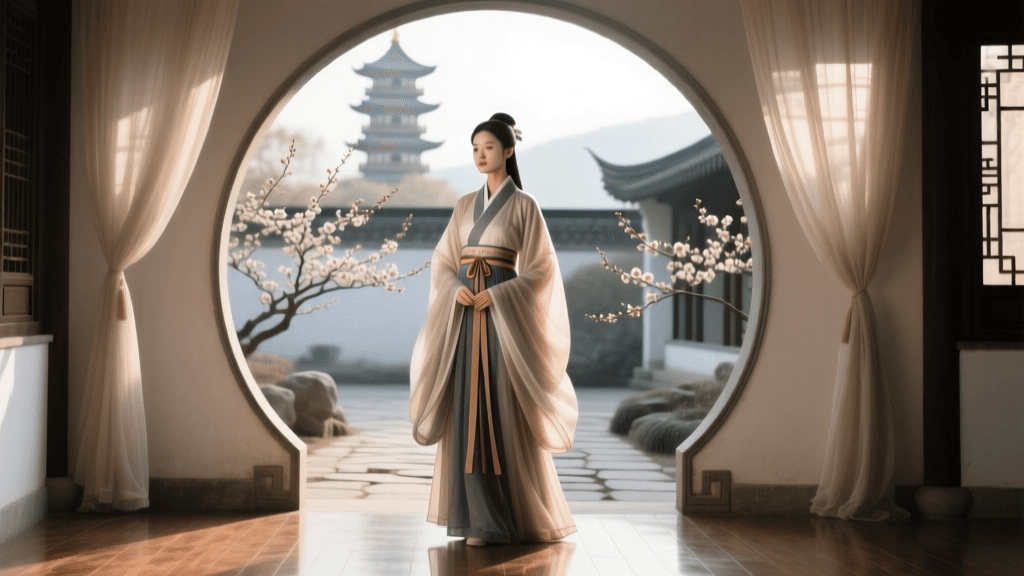
As we navigate through 2026, the global appreciation for traditional Chinese clothing has evolved from a niche internet subculture into a mainstream, multi-billion-dollar fashion and cultural phenomenon. The market for traditional garments, accessories, and heritage tourism has surpassed unprecedented valuations, driven by a renewed international interest in craftsmanship, historical accuracy, and sustainable textiles. With this explosive growth comes a critical need for professionalization. Amateur enthusiasts are no longer the only ones participating in the space; today, certified Hanfu stylists, historical consultants, and textile conservators are in high demand across the film, luxury tourism, and bespoke wedding industries.
Why Pursue Formal Hanfu Certification?
Why pursue formal Hanfu education and certification in 2026? The answer lies in the increasing demand for historical authenticity and technical mastery. Consumers, museums, and production studios are no longer satisfied with generic, theatrical 'ancient-style' costumes. They require precise reconstructions of Tang dynasty Qixiong Ruqun (chest-high skirts), Song dynasty Beizi (long outer coats), and Ming dynasty Mamianqun (horse-face skirts). Certification programs provide the rigorous academic and practical foundation necessary to distinguish true historical dress from modern interpretations. Furthermore, as sustainable fashion takes center stage in 2026, understanding traditional eco-friendly dyeing methods and zero-waste pattern drafting gives certified professionals a distinct edge in the global market.
Top 3 Hanfu Education & Certification Programs Compared
Selecting the right institution is crucial for your career trajectory. Below is a comparison of the leading programs available for the 2026 academic year, catering to different professional goals ranging from academic research to commercial styling.
| Institution | Program Name | Duration | 2026 Tuition (USD) | Primary Focus |
|---|---|---|---|---|
| Beijing Institute of Fashion Technology (BIFT) | Traditional Apparel Reconstruction Certificate | 6 Months | $4,500 | Academic pattern drafting, Ming/Song silhouettes, textile history |
| China National Silk Museum | Silk & Hanfu Textile Heritage Workshop | 4 Weeks | $1,800 | Material science, Xiangyunsha dyeing, drape mechanics |
| Global Hanfu Society (Hybrid) | Certified Hanfu Stylist Masterclass | 12 Weeks | $950 | Commercial styling, photography, modern adaptations, client consultation |
Core Curriculum: What You Will Master
A comprehensive Hanfu certification goes far beyond simply putting on a garment. The 2026 curricula are deeply rooted in material culture, engineering, and historical context.
The Mathematics of the Mamianqun
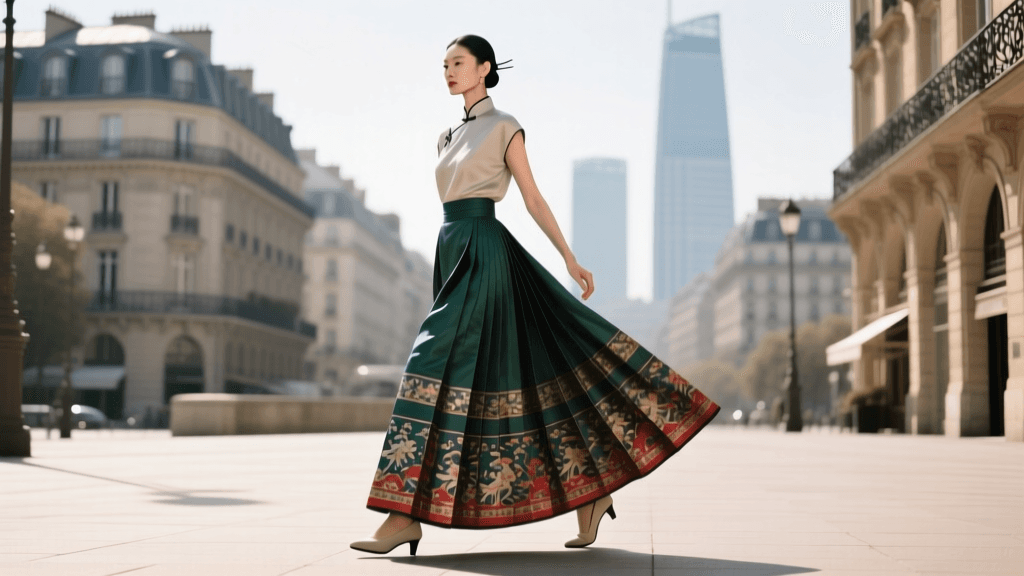
The horse-face skirt is a marvel of traditional engineering and a staple of the Ming dynasty wardrobe. In certification programs, students spend weeks mastering the precise pleat calculations. A standard Mamianqun requires overlapping trapezoidal panels that create a flat front and back while allowing voluminous movement. In 2026, workshops teach both the traditional hand-pleating and heat-setting methods using natural starches, ensuring the pleats remain sharp even after wear. Students learn to calculate fabric yield to minimize waste, an essential skill for modern bespoke tailors.
Eco-Friendly Dyeing and Textile Sourcing
Sustainability is a massive trend in 2026 fashion, and Hanfu education leads the way by looking to the past. Workshops now include intensive modules on indigo fermentation, pomegranate rind mordanting, and the use of lotus plumule for subtle yellow-green hues. Students learn how ancient Chinese dyers achieved colorfastness without synthetic chemicals. According to cultural heritage databases like UNESCO's Intangible Cultural Heritage registry, the preservation of sericulture and traditional silk craftsmanship is vital to global eco-fashion. Students also learn to identify and source authentic Xiangyunsha (gambiered Guangdong gauze), a highly prized silk dyeing technique recognized for its ecological sustainability, cooling properties, and unique acoustic rustle.
Historical Accuracy vs. Modern Styling
Programs like those at the Beijing Institute of Fashion Technology emphasize the structural differences between dynasties. You will learn how the drop-shoulder construction of Hanfu differs fundamentally from Western tailoring, utilizing flat-pattern cutting that respects the natural drape of the silk without wasteful darts or seams. Draping is not merely decorative; it is engineered on the body. Certification workshops teach the precise layering of inner garments (zhongyi), the structural tying of sashes, and the historical rules of accessorizing with jade pendants (yapei) and hairpins (zan) to denote status and occasion.
Actionable Advice: Preparing for Your 2026 Intake
If you are planning to enroll in a certification program this year, preparation is key to maximizing your investment.
- Build a Study Wardrobe: Before enrolling, invest in a foundational set of unbranded, historically accurate base layers. In 2026, a high-quality raw silk zhongyi (inner garment) set costs approximately $120 to $180. Having your own base layers allows you to practice draping and tying techniques daily without waiting for workshop materials.
- Master the Terminology: Familiarize yourself with foundational terms like Jiaoling Youren (crossing collar, right lapel), Pibo (stole), and Banbi (half-sleeve jacket). Fluency in historical terminology will accelerate your learning curve during lectures.
- Leverage Digital Tools: Many 2026 workshops now incorporate AI-assisted textile analysis and 3D draping software like CLO3D to visualize historical garments before cutting expensive silk. Familiarize yourself with basic digital pattern drafting to stay ahead of the curve.
- Network Early: Join professional forums and attend regional Hanfu cultural festivals. As noted in recent cultural analyses by South China Morning Post's culture desk, the intersection of traditional dress and modern digital media has created a vibrant community of creators who frequently share sourcing contacts and apprenticeship opportunities.
Career Opportunities for Certified Hanfu Professionals
The return on investment for a Hanfu certification in 2026 is substantial, with several lucrative career paths available to graduates.
Film, Television, and Stage Consulting
Historical dramas and stage productions in 2026 demand rigorous authenticity to satisfy an increasingly educated audience. Certified consultants are hired by production studios to ensure that the color grading, textile choices, and draping styles match the specific decade and social class being portrayed. Day rates for on-set historical dress consultants currently range from $400 to $800 USD.
Luxury Cultural Tourism and VIP Styling
Cities like Xi'an, Luoyang, and Hangzhou have massively expanded their Hanfu tourism infrastructure. Certified stylists command premium rates ($150-$300 per session) for VIP historical makeovers. Unlike amateur rental shops, certified professionals provide a holistic experience, ensuring tourists are dressed in dynasty-appropriate attire, styled with period-accurate hair and makeup, and educated on the historical context of their garments for their photography sessions.
Bespoke Bridal and Ceremonial Tailoring
The traditional Chinese wedding market has heavily pivoted toward Ming dynasty-inspired ceremonial dress, favoring the auspicious red and gold Mamianqun and Fengguan (phoenix crown) ensembles. Certified tailors and stylists are essential for creating custom, heirloom-quality wedding ensembles. A fully bespoke, hand-embroidered bridal Hanfu set can retail for upwards of $5,000 to $15,000 USD in 2026, making this a highly profitable niche for certified artisans.
Conclusion
The landscape of traditional Asian garments has permanently shifted. Hanfu is no longer just a hobby; it is a respected discipline requiring dedication, historical empathy, and technical skill. Whether you choose the academic rigor of a university institute or the commercial focus of a hybrid styling masterclass, pursuing certification in 2026 is the definitive way to transform your passion for traditional Chinese clothing into a sustainable, respected, and lucrative career. By mastering the drape, the dye, and the history, you become a vital custodian of Asian cultural heritage for the next generation.