Vintage Kimono Auction Bidding & Appraisal Guide 2026
The 2026 Landscape of Vintage Kimono Auctions
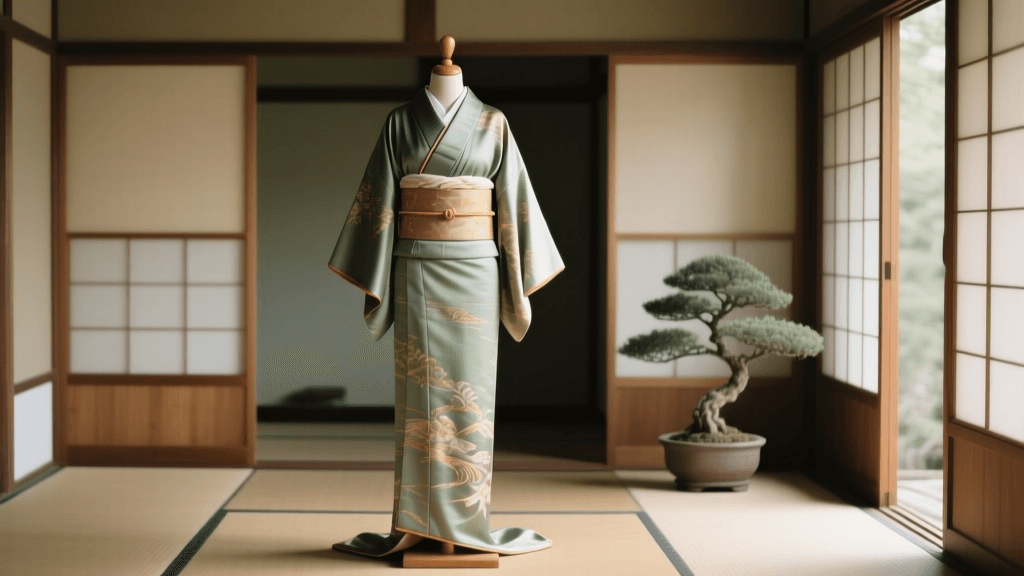
The secondary market for traditional Japanese garments has experienced a massive renaissance over the last few years. In 2026, the intersection of sustainable fashion, global appreciation for artisanal craftsmanship, and digital auction accessibility has driven unprecedented interest in vintage kimonos. Collectors, fashion archivists, and cultural enthusiasts are increasingly turning to online Japanese auction houses to acquire authentic, historical textiles. However, navigating this market requires a keen eye, an understanding of historical eras, and a rigorous approach to value appraisal.
Unlike modern, mass-produced garments, antique kimonos are wearable canvases that reflect the socio-economic shifts, artistic movements, and technological advancements of their time. Whether you are bidding on a formal kurotomesode or a vibrant, everyday komon, understanding how to appraise these garments is essential to building a valuable and authentic collection in 2026.
Decoding Eras: What Drives Kimono Value?
The value of a vintage kimono is inextricably linked to its era of origin. According to The Metropolitan Museum of Art's Heilbrunn Timeline of Art History, the evolution of Japanese textiles and dyeing techniques during the late 19th and early 20th centuries represents a pivotal shift from strict feudal sumptuary laws to globalized artistic expression. When appraising a piece at auction, identifying the correct era is your first step.
- Meiji Era (1868–1912): Characterized by a return to subdued elegance following the strict Edo period. Natural dyes, intricate shibori (tie-dye), and formal family crests (kamon) are highly prized by museum curators and purist collectors.
- Taisho Era (1912–1926): The undisputed darling of the 2026 vintage fashion market. Taisho kimonos feature 'Taisho Roman' aesthetics—heavy Art Deco influences, bold geometric patterns, and vibrant, synthetic aniline dyes that were newly introduced to Japan.
- Early Showa Era (1926–1945): As Japan moved toward wartime austerity, textiles became more subdued. Wool blends and simpler, patriotic, or nature-inspired motifs became common. While less valuable than Taisho pieces, early Showa wartime textiles hold immense historical significance.
The 5-Point Appraisal Checklist for Collectors
When evaluating auction listings, high-resolution photography is your best tool. Use this 5-point checklist to appraise the true value and condition of a vintage silk kimono before placing a bid.
1. Silk Quality and Weave
Not all silk is created equal. Look for chirimen (silk crepe), which has a distinct pebbled texture and drapes beautifully, or rinzu (satin damask), which features woven patterns that catch the light. Nishijin-ori (brocade woven in Kyoto) commands the highest premiums at auction due to its labor-intensive production.
2. Dyeing and Embellishment Techniques
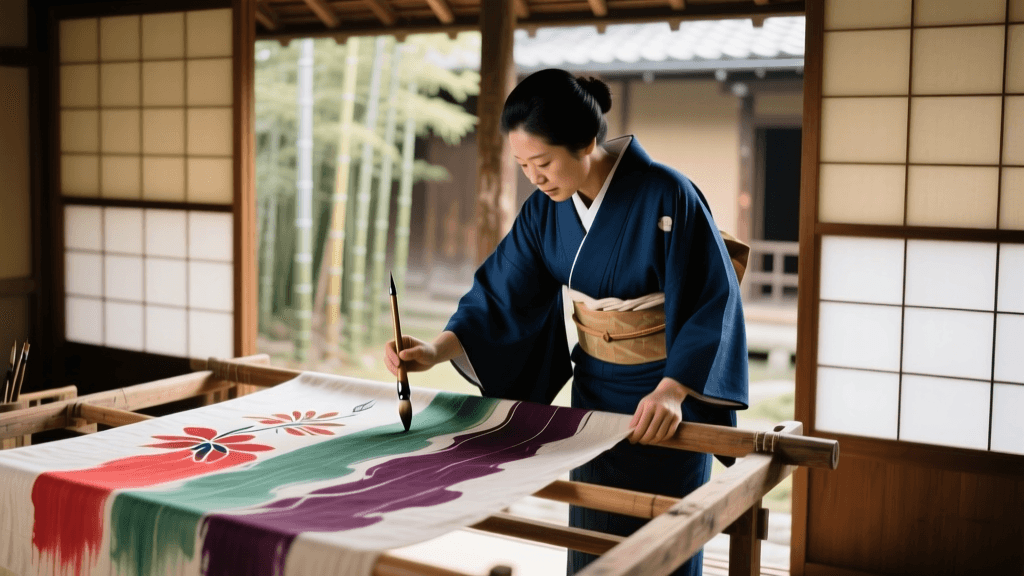
Hand-painted Yuzen dyeing, characterized by crisp, rice-paste resist outlines, is highly valued. Look for the subtle imperfections that indicate hand-painting versus stencil (katazome) or machine printing. Additionally, check for surihaku (gold leaf application) and shishu (silk embroidery), which significantly increase a garment's auction ceiling.
3. Condition and Flaws
Condition is the ultimate dealbreaker. Auction listings must be scrutinized for:
- Shimi (Stains): Yellowing around the collar or underarms is common but can be professionally cleaned if the dye is stable. Dark, set-in stains drastically reduce value.
- Hikizuri (Hem Damage): Trailing hems often suffer from friction wear and mud stains. Check the bottom 12 inches of the garment closely.
- Odors: While camphor or incense smells can be aired out, deep-set mold (kabi) or mildew odors in the silk fibers are often permanent and should deter buyers.
4. Provenance and Kamon (Family Crests)
The number of kamon dictates the formality and, often, the value of the kimono. A kurotomesode (black formal kimono) with five crests is the most formal women's garment and holds high ceremonial value. However, heavily crested garments are harder to wear in modern, casual settings, which can sometimes make uncrested, highly decorative Taisho-era haori (jackets) more liquid in the 2026 resale market.
5. Lining and Inner Details
Always request photos of the interior. A vibrant red silk lining (momi) or intricate hidden patterns woven into the inner hem (hakkake) are hallmarks of high-end, custom-commissioned garments. Conversely, synthetic linings or crude stitching suggest the garment was mass-produced or heavily altered in the late 20th century.
Market Value Comparison by Era (2026 Estimates)
The following table provides a baseline for auction values in 2026. Note that exceptional pieces with verified provenance or famous artisan signatures can far exceed these averages.
| Era | Key Aesthetic Traits | 2026 Avg. Auction Value (USD) | Collector Demand |
|---|---|---|---|
| Meiji (1868–1912) | Subdued elegance, natural dyes, formal crests | $300 - $1,200 | High (Museum & Purist) |
| Taisho (1912–1926) | Art Deco, bold geometric motifs, vibrant dyes | $450 - $2,500+ | Very High (Fashion & Art) |
| Early Showa (1926–1945) | Wartime restrictions, subdued colors, wool blends | $150 - $600 | Moderate (Historical) |
| Mid Showa (1950–1980) | Mass production, synthetic blends, bright Yuzen | $50 - $250 | Low to Moderate |
Navigating Japanese Auction Platforms in 2026
Accessing domestic Japanese auctions from abroad is easier than ever in 2026, thanks to advanced proxy bidding services. Platforms like Yahoo! Auctions Japan remain the gold standard for volume and variety, while specialized houses like Ichiroya and Kimono Yamato offer curated, pre-authenticated selections.
Proxy services such as Buyee, Sendico, and Neokyo allow international buyers to bid seamlessly. As of 2026, most proxy services charge a flat commission fee (typically between $3 and $10 per item) plus a percentage of the final bid for high-value lots. When calculating your maximum bid, always factor in domestic Japanese shipping, international freight (which has seen rate stabilizations in 2026), and your local import duties.
Pro Tip for 2026 Bidders: Many Japanese sellers utilize automated translation tools for their listings. Always cross-reference the Japanese text for specific condition words like shimi (stain), hokori (dust/smell), and yabure (tear). Relying solely on English auto-translations can lead to costly misunderstandings regarding a garment's condition.
Spotting Fakes and Synthetic Blends
As the value of vintage silk has surged, so has the prevalence of mislabeled garments. The most common pitfall for novice buyers is confusing 1970s polyester (Tetoron) with vintage silk. While auction sellers are generally honest, mistakes happen.
Look closely at the macro-photography of the fabric weave. Silk has a natural, slightly irregular luster and organic fiber variations, whereas vintage polyester often appears overly uniform and possesses a harsh, synthetic sheen. If you are purchasing locally or from a specialized dealer, the 'burn test' remains the definitive method: silk will burn slowly, smell like singed hair, and leave a crushable ash, while polyester will melt, smoke black, and form a hard plastic bead.
Preservation and Post-Auction Care
Winning the auction is only the beginning. Proper preservation is critical to maintaining the value and structural integrity of your antique textiles. The Victoria and Albert Museum's Asian textile conservation guidelines emphasize the importance of climate control and proper storage materials for protein-based fibers like silk.
- Storage: Never store vintage silk on wire or wooden hangers for long periods, as the weight of the garment will distort the shoulders. Fold the kimono along its original seams and store it flat in an acid-free, archival textile box.
- Environment: Maintain a stable environment with a relative humidity of around 50% and a temperature of 65°F (18°C). Fluctuations in humidity can cause the silk fibers to expand and contract, leading to micro-tears.
- Pest Control: Use natural camphor or cedar blocks to deter silverfish and carpet beetles. Never allow mothballs to come into direct contact with the silk, as the chemical off-gassing can permanently alter the dyes and degrade the fibers.
Final Thoughts on Building a Heritage Collection
The 2026 vintage kimono market offers a unique opportunity to own a tangible piece of Asian cultural history. By approaching auctions with a disciplined appraisal strategy, understanding the nuanced differences between historical eras, and committing to proper textile conservation, collectors can build portfolios that are not only financially sound but deeply meaningful. Whether you are drawn to the quiet refinement of the Meiji era or the bold, rebellious artistry of the Taisho period, the world of secondhand kimono auctions holds endless treasures waiting to be rediscovered.