Mastering Yuzen Dyeing: Kyoto's Artisan Kimono Workshops
The Art of Yuzen: Painting on Silk
Kyoto is the undisputed heart of Japan’s traditional garment industry, a city where the creation of a single kimono can involve the hands of over a dozen specialized artisans. Among the most revered of these traditional crafts is Yuzen-zome, a resist-dyeing technique that transforms plain white silk into a wearable canvas of breathtaking artistry. Invented in the late 17th century by Miyazaki Yuzensai, a fan painter from Kyoto, the technique revolutionized Japanese fashion by allowing for free-form, pictorial designs that were previously impossible with traditional weaving or tie-dyeing methods.
Today, Kyo-yuzen (Kyoto-style Yuzen) is characterized by its soft, pastel color palettes, intricate use of gold leaf (kimpaku), and supplementary embroidery. This contrasts with Kaga-yuzen from Kanazawa, which favors realistic botanical motifs, deep colors, and bokashi (color gradation) without the use of gold or embroidery. For textile enthusiasts, fashion historians, and travelers seeking a deeper connection to Asian traditions, participating in a Kyoto Yuzen workshop offers an unparalleled glimpse into the meticulous world of Japanese garment creation.
Inside a Kyoto Artisan Workshop: The Step-by-Step Process
Creating a genuine Yuzen kimono is a painstaking process that can take several months and requires a highly synchronized division of labor. While modern tourists typically experience a condensed version of this process, understanding the traditional steps is crucial for appreciating the craft's complexity.
1. Shita-e (Sketching)
The master artisan begins by sketching the design directly onto the white silk using aobana (dayflower) extract. This special ink is highly water-soluble, meaning it will completely vanish during the final washing stages, leaving no trace of the underlying guidelines.
2. Itome-nori (Rice Paste Resist)
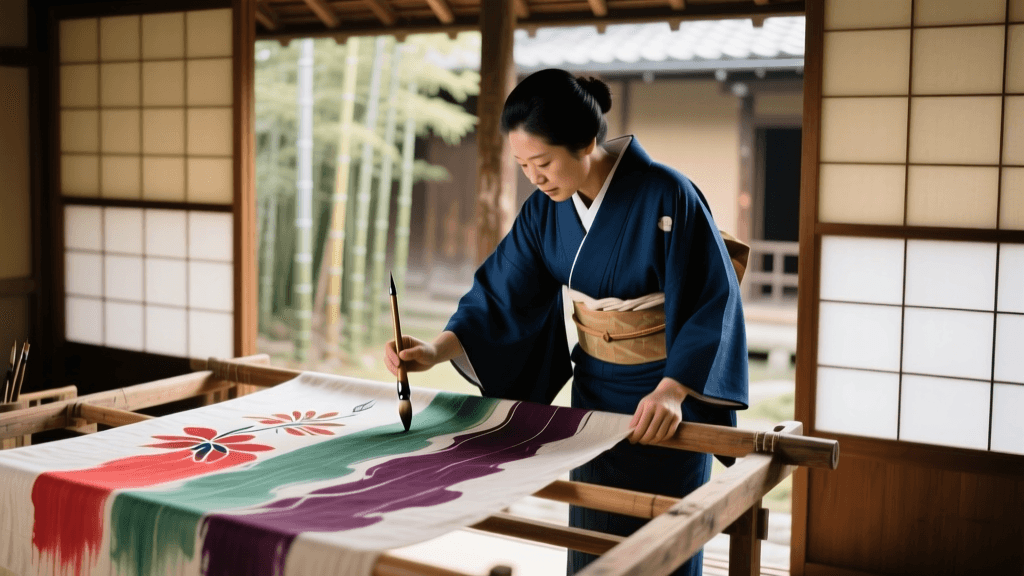
Using a cone-shaped bag called a tsutsu, the artisan carefully traces the sketched lines with a thick, waterproof paste made from rice bran. This paste acts as a resist barrier, preventing the dyes applied later from bleeding into adjacent sections of the design. The precision required here is extraordinary; a single slip of the hand can ruin months of subsequent work.
3. Irosashi (Coloring)
Once the paste is dry, the silk is treated with gojiki (soybean juice) to act as a mordant, helping the dyes adhere to the fibers. Artisans then use small, specialized brushes called surikomi to hand-paint the dyes within the resist outlines. The colors are mixed with great care, often using both natural and synthetic pigments to achieve the signature soft hues of Kyo-yuzen.
4. Jizome (Background Dyeing) and Finishing
After the colored sections are steamed to set the dye, the entire background of the fabric is dyed using large brushes. The silk is then washed in cold, running water to remove the rice paste and the aobana sketches. Historically, this took place in the Kamo River, creating a beautiful spectacle of flowing silk in the winter months. Today, to protect the river's ecosystem, workshops use specialized indoor water systems. Finally, the garment may be embellished with gold leaf, metallic threads, or silk embroidery.
Experiencing Yuzen: A Guide for Visitors
While mastering Yuzen takes a lifetime, several institutions and heritage workshops in Kyoto offer hands-on experiences tailored for visitors. These workshops allow you to create your own Yuzen-dyed items, ranging from small furoshiki (wrapping cloths) to full-length haori jackets. Below is a comparison of the most prominent workshop experiences available in Kyoto.
| Workshop / Venue | Duration | Approx. Cost (JPY) | Output | Best For |
|---|---|---|---|---|
| Marumasu-Nishimuraya | 1.5 - 2 Hours | ¥3,500 - ¥15,000 | Handkerchiefs, Fans, Scarves | Beginners seeking a guided, accessible introduction to paste-resist and coloring. |
| Kyoto Museum of Traditional Crafts (Fureaikan) | 1 - 2 Hours | ¥2,000 - ¥5,000 | Tote bags, Small textiles | Budget-conscious travelers and families wanting a broad overview of multiple Kyoto crafts. |
| Chiso Archive Tour & Workshop | 3 - 4 Hours | ¥25,000 - ¥40,000 | Premium Silk Scarf, Framed Art | Serious textile enthusiasts wanting historical context, access to Edo-period archives, and master-level instruction. |
Practical Advice for Booking and Etiquette
If you plan to integrate a Yuzen workshop into your Japanese itinerary, preparation is key. Here are actionable tips to ensure a smooth and respectful experience:
- Book in Advance: Authentic workshops, especially those offering English interpretation or private sessions with master dyers, must be booked 2 to 3 months in advance. The Kyoto City Tourism Association provides a reliable directory of certified craft centers that accept international reservations.
- Mind the Season: While indoor workshops are climate-controlled, the traditional craft calendar is deeply tied to the seasons. Avoid booking during the peak of the rainy season (mid-June to mid-July), as high humidity can affect the drying times of the rice paste and dyes, potentially altering the workshop curriculum.
- Dress Appropriately: You will be working with water, dyes, and steam. Wear dark, comfortable clothing that you do not mind getting stained. Avoid wearing loose, flowing sleeves that might accidentally brush against wet silk or dye pots.
- Understand the Costs of Authentic Garments: If the workshop inspires you to purchase a genuine, hand-painted Yuzen kimono, be prepared for the investment. A standard, high-quality Kyo-yuzen kimono tailored to your measurements typically starts around ¥300,000 (approx. $2,000 USD) and can easily exceed ¥1,000,000 for pieces featuring extensive gold leaf and embroidery by Living National Treasures.
Preserving the Future of Traditional Garments
Despite the global fascination with Japanese fashion, the traditional artisan ecosystem faces a severe demographic crisis. The average age of a master Yuzen dyer in Kyoto is now over 65, and the grueling nature of the apprenticeship—which often requires a decade of unpaid or low-paid labor before one can work independently—has led to a sharp decline in young successors.
However, there is hope. According to the Japan National Tourism Organization (JNTO), the integration of traditional crafts into experiential tourism has provided a vital new revenue stream for aging workshops. By opening their doors to international visitors, artisans can subsidize the high costs of raw materials like domestic silk and natural indigo, while simultaneously inspiring a new generation of global textile artists.
'Yuzen is not merely about applying color to cloth; it is about capturing the fleeting beauty of nature—the dew on a morning leaf, the mist over the Kamo River—and freezing it in silk so it may be worn and cherished for generations.'
— Master Dyer, Kyoto Nishijin Textile Center
Institutions like the Victoria and Albert Museum (V&A) have also played a pivotal role in elevating the status of the kimono from 'ethnic costume' to high art, driving international demand and academic interest. When you book a workshop in Kyoto, you are not just buying a souvenir; you are directly participating in the economic and cultural preservation of one of Asia's most profound sartorial traditions.
Conclusion
The world of Kyoto's Yuzen dyeing is a testament to the Japanese philosophy of monozukuri—the art, science, and spirit of making things. Whether you are a fashion designer seeking inspiration, a cultural historian, or a curious traveler, stepping into the humid, dye-scented air of a Kyoto artisan workshop is a transformative experience. It bridges the gap between the historical garments seen in museum glass cases and the living, breathing hands that continue to paint the silk today.