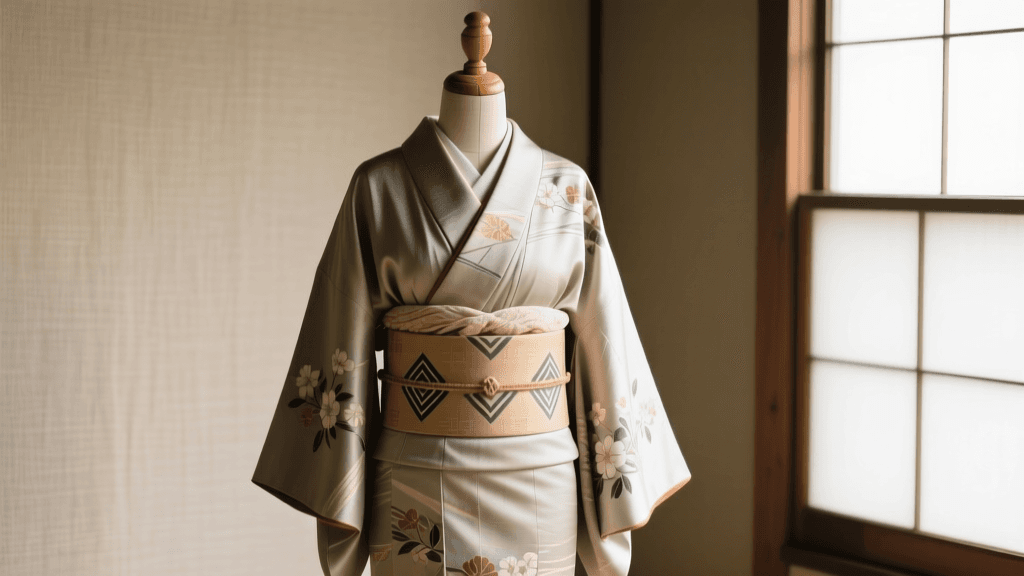
Haori and Hakama Streetwear: Modern Japanese Style
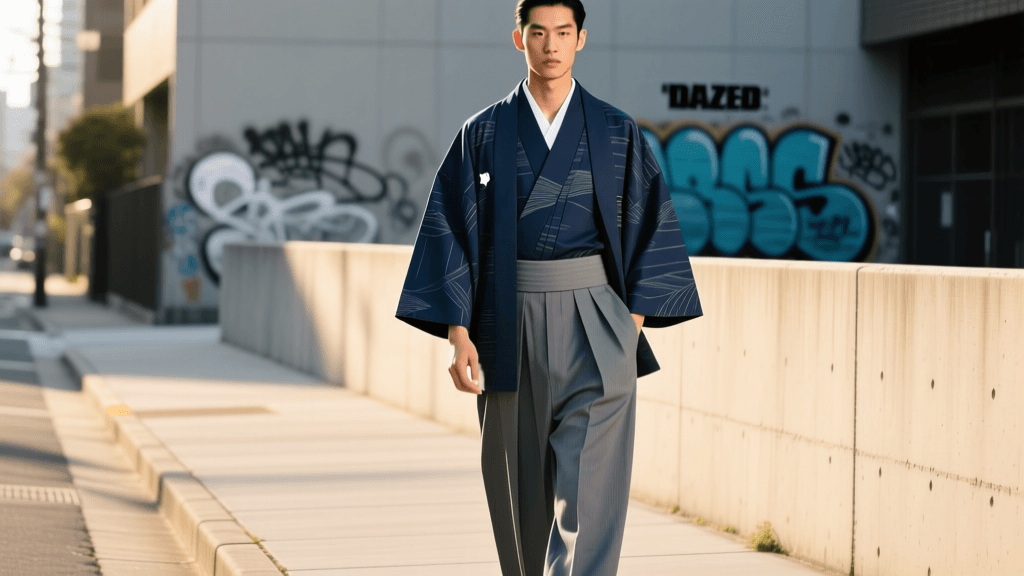
The Renaissance of Traditional Japanese Silhouettes
The global streetwear landscape has evolved far beyond logo-centric hoodies and limited-edition sneakers. Today, the most forward-thinking fashion enthusiasts and designers are looking toward heritage garments, focusing on silhouette, drape, and cultural storytelling. In Tokyo’s Harajuku, Daikanyama, and Koenji districts, a quiet revolution is happening on the streets: the integration of traditional Japanese garments like the haori (jacket) and hakama (pleated trousers) into contemporary urban wardrobes. As noted by the Victoria and Albert Museum in their landmark exhibition 'Kimono: Kyoto to Catwalk', the fluid, T-shaped silhouette of traditional Japanese clothing has continuously influenced global fashion, offering a masterclass in deconstructed, gender-neutral layering.
This guide explores how to authentically and practically incorporate traditional Japanese garments into a modern streetwear rotation, complete with sizing metrics, styling comparisons, and actionable sourcing advice.
The Haori: The Ultimate Streetwear Layering Piece
Originally worn over the kimono by samurai and later adopted by merchants and firemen during the Edo period, the haori is a hip- or thigh-length jacket. It features wide sleeves, an open front, and no buttons or zippers. Instead, it is secured by haori himo (decorative cords). In modern streetwear, the haori functions similarly to an open overshirt, duster, or lightweight trench coat, providing an effortless, flowing layer that moves dynamically with the wearer.
Sizing and Measurements for the Perfect Drape
Unlike Western clothing, which is sized by chest or waist measurements, traditional Japanese garments are measured by their flat dimensions. When hunting for a vintage haori to wear over modern streetwear (like oversized hoodies or heavyweight tees), you must pay attention to two critical metrics:
- Yuki (Sleeve Length): Measured from the center back of the neck, across the shoulder, and down to the wrist. For a modern, dropped-shoulder streetwear aesthetic, look for a Yuki measurement between 78cm and 86cm. Anything shorter will look boxy and traditional; anything longer offers a dramatic, avant-garde drape.
- Sodetake (Sleeve Depth): The vertical length of the sleeve opening. Traditional haori feature deep sleeves (often 40cm+), which create a pocket-like pouch inside the sleeve. This deep drop is highly desirable in streetwear for its striking silhouette.
Hakama and Noragi: Bottoms and Workwear Adaptations
While the haori dominates outerwear, the lower half of the traditional ensemble is equally influential. The hakama is a pleated, wide-leg trouser historically worn by samurai and martial artists. In contemporary fashion, the hakama’s voluminous, structured pleats have been adopted by techwear and avant-garde streetwear brands to create pants that offer maximum mobility and a striking, architectural profile.
Alongside the hakama, the noragi (a traditional farmer’s work jacket) has become a staple in streetwear. Often crafted from indigo-dyed cotton and featuring sashiko (decorative reinforcement stitching) or boro (patchwork mending), the noragi bridges the gap between heritage workwear and modern hype. According to the Japanese Ministry of Economy, Trade and Industry (METI), these regional textile traditions are increasingly being preserved and modernized by young artisans who blend Edo-period techniques with contemporary garment cuts.
Comparison Chart: Traditional vs. Streetwear Styling
Blending centuries-old heritage with modern urban culture requires a deliberate approach to styling. Below is a practical breakdown of how to transition these pieces from ceremonial wear to the streets.
| Feature | Traditional Styling | Modern Streetwear Styling |
|---|---|---|
| Base Layer | Nagajuban (silk undergarment) | Oversized heavyweight hoodie, graphic tee, or turtleneck |
| Footwear | Zori or Geta with Tabi socks | Chunky sneakers, combat boots, or split-toe sneakers (e.g., Maison Margiela) |
| Accessories | Kanzashi, folding fan, obi belt | Crossbody bags, silver jewelry, bucket hats, nylon belts |
| Fastening | Haori himo (silk cords) | Left open, or secured with climbing carabiners and paracord |
| Average Cost | $200 - $1,500+ (New ceremonial silk) | $30 - $150 (Vintage) / $150 - $400 (Designer adaptations) |
Sourcing Guide: Where, When, and How to Buy
Acquiring authentic vintage pieces requires knowing where to look and understanding the local market rhythms. Here is your actionable guide to sourcing haori and hakama.
In-Person Hunting in Tokyo
For the best vintage streetwear and traditional garments, head to Tokyo’s thrift districts. Shimokitazawa and Koenji are the epicenters of vintage fashion. Stores like Sokkyou and Otomeyama often carry racks of vintage silk and cotton haori.
Pro-Tip on Timing: Visit the Oedo Antique Market at the Tokyo International Forum. It operates on the 1st and 3rd Sundays of the month. Arrive by 9:00 AM before the premium indigo-dyed cotton noragi and embroidered silk haori are picked over by professional vintage dealers. Expect to pay between $40 and $120 for high-quality vintage pieces in good condition.
Online Sourcing via Proxy Services
If you cannot travel to Japan, the secondary market is highly accessible through Japanese proxy services like Buyee or ZenMarket, which allow you to bid on Yahoo! Auctions Japan and purchase from Mercari Japan. When searching, use the following Japanese keywords to bypass the algorithm's English filters:
- 羽織 (Haori): Add 'ヴィンテージ' (Vintage) or '襤褛' (Boro/Rag) for distressed, streetwear-friendly textiles.
- 袴 (Hakama): Search for 'モンペ' (Monpe - traditional work pants) or '野良着' (Noragi - work jacket) for more casual, cotton-based streetwear alternatives to formal silk hakama.
Care and Maintenance for Heritage Textiles
Traditional garments require specific care, especially when integrated into a daily streetwear rotation. Vintage silk haori should never be machine washed. Instead, air them out in a shaded, well-ventilated area after wearing. Direct sunlight will rapidly degrade and fade antique silk dyes. For cotton boro and sashiko noragi, hand washing in cold water with a mild, pH-neutral detergent is recommended to preserve the integrity of the historic stitching. As highlighted by BBC Culture's coverage of Japanese textile history, the beauty of these garments lies in their wabi-sabi—the acceptance of transience and imperfection. Minor fraying on a vintage cotton noragi only adds to its streetwear authenticity and visual narrative.
Conclusion
Integrating the haori and hakama into modern streetwear is more than a fleeting trend; it is a dialogue between the past and the future. By understanding the precise measurements, respecting the textiles, and styling them with contemporary urban staples, you can create a silhouette that is entirely unique. Whether you are draping a $50 vintage silk haori over a heavyweight hoodie or pairing wide-leg hakama trousers with chunky sneakers, you are participating in a living, breathing fashion tradition that continues to push the boundaries of global style.