The Collector's Guide to Sourcing Taisho Era Kimono
Introduction to Taisho Era Kimono Collecting
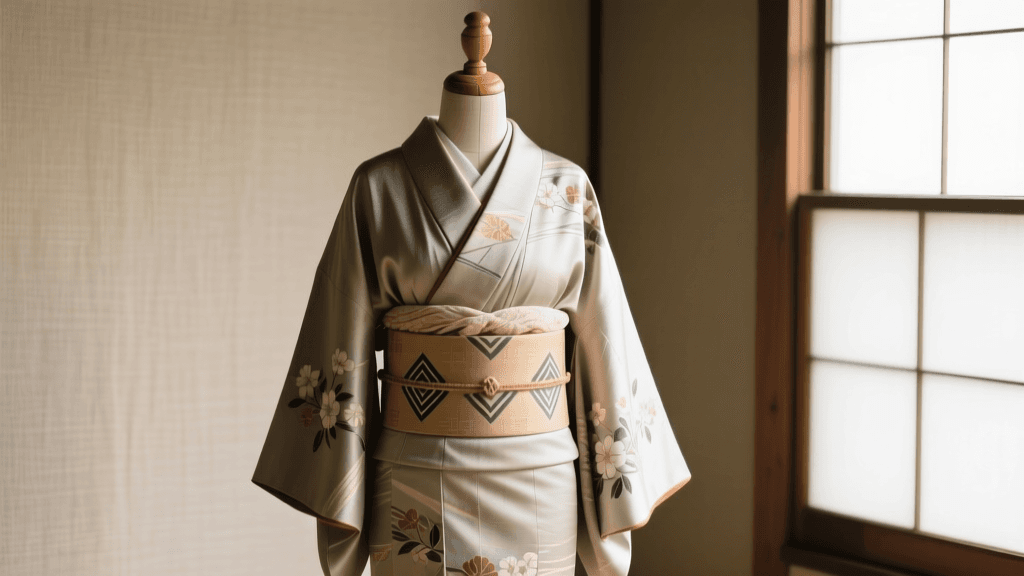
The Taisho era (1912–1926) remains one of the most fiercely sought-after periods for vintage kimono collectors. Though brief, this fifteen-year window was a cultural explosion in Japan, characterized by rapid modernization, Western influence, and a flourishing of romantic, avant-garde art. For collectors of Asian traditional garments, Taisho-era kimono represent a unique intersection of historical craftsmanship and modernist design. Unlike the rigid formality of the preceding Meiji era or the mass-produced militaristic austerity of the later Showa period, Taisho garments are celebrated for their artistic freedom, vibrant synthetic dyes, and breathtaking 'Taisho Roman' aesthetics.
Building a collection of authentic Taisho kimono requires a trained eye, an understanding of historical textiles, and knowledge of the vintage Japanese market. This guide provides actionable insights into identifying, sourcing, and preserving these fragile, century-old masterpieces.
The Allure of Taisho Roman Aesthetics
The term 'Taisho Roman' refers to the Japanese fascination with Western romanticism, Art Nouveau, and early Art Deco movements. According to the Victoria and Albert Museum's Kimono exhibition archives, the Taisho period marked a radical departure from strict Edo-period sumptuary laws, allowing commoners to wear vividly colored, highly decorative garments. Collectors look for specific motifs that define this era: sweeping geometric arcs, stylized roses, stained-glass patterns, and abstracted landscapes.
Unlike traditional floral motifs (such as cherry blossoms or chrysanthemums) which are rendered realistically, Taisho Roman motifs are often impressionistic or heavily stylized. A hallmark of a true Taisho piece is the juxtaposition of traditional Japanese elements—like pine trees or cranes—with Western-inspired geometric backgrounds or bold, asymmetric color blocking.
Identifying Authentic Taisho Era Kimono
Dating a vintage kimono to the exact Taisho window (1912–1926) requires examining the fabric, the dye, the lining, and the cut. Here are the primary indicators collectors use to authenticate these garments.
1. The Rise of Meisen Silk and Kasuri
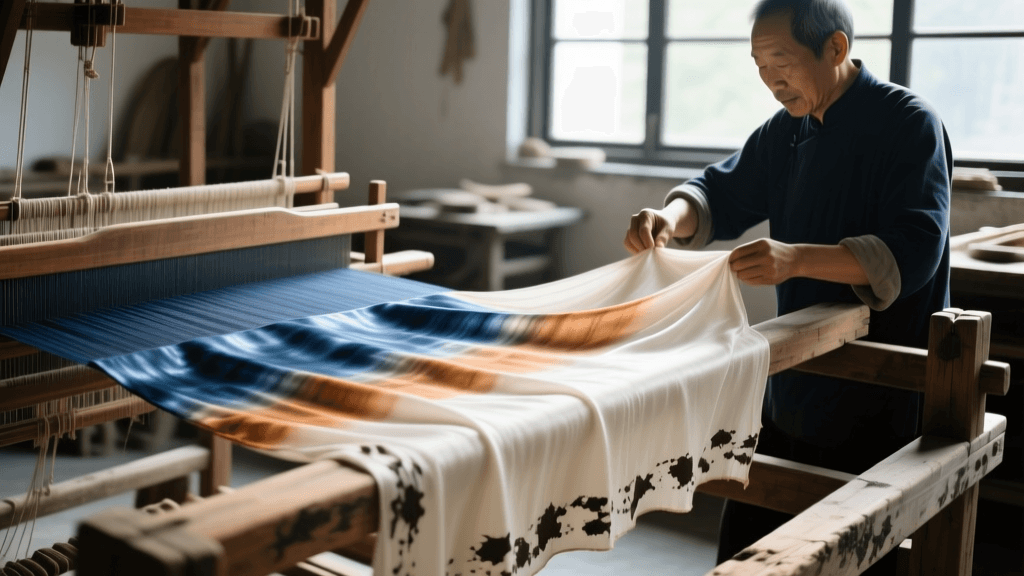
While high-end yuzen-dyed silk was worn by the elite, the Taisho era saw the massive popularization of Meisen silk. Meisen is a sturdy, slightly nubby silk fabric woven from pre-dyed threads, often using the kasuri (ikat) technique. Taisho Meisen kimono are highly collectible today due to their bold, graphic patterns and relative durability. Look for 'hogushi kasuri,' a technique where the warp threads are printed with a design before weaving, resulting in soft, blurred, watercolor-like edges that were incredibly fashionable in the 1920s.
2. Synthetic Dyes and Color Palettes
The Taisho era coincided with the widespread importation of aniline and synthetic dyes. This allowed dyers to achieve colors that were previously impossible or prohibitively expensive with natural plant dyes. Collectors should look for vivid, almost neon purples, deep burgundies, mustard yellows, and striking emerald greens. The Ministry of Economy, Trade and Industry (METI) recognizes several regional dyeing techniques that adapted these new chemical dyes during the 1910s and 1920s, fundamentally shifting the Japanese textile landscape.
3. Linings and Collars
The interior of a kimono tells as much of a story as the exterior. Taisho-era kimono frequently feature vibrant, contrasting linings. A classic hallmark is a deep crimson or bright red silk lining (habutae) paired with a pastel or heavily patterned exterior. Additionally, the collars (eri) of Taisho kimono are often cut wider and sit flatter against the neck compared to the modern, narrower collars. The presence of a black velvet or wool collar on a formal tomesode or houmongi is also a strong indicator of Taisho or early Showa origins.
Era Comparison Chart: Meiji vs. Taisho vs. Early Showa
Understanding the chronological shifts in design helps collectors accurately date their finds. Use this comparison chart when evaluating vintage pieces at auction or in antique markets.
| Feature | Meiji Era (1868–1912) | Taisho Era (1912–1926) | Early Showa (1926–1945) |
|---|---|---|---|
| Color Palette | Muted, natural dyes; deep indigos, safflower reds. | Vivid synthetic dyes; bold purples, mustard, emerald. | Darker, subdued tones; eventual wartime austerity colors. |
| Motifs | Traditional, highly realistic flora, fauna, and crests. | Taisho Roman; Art Nouveau, geometric, stylized roses. | Propaganda motifs (later), simplified traditional patterns. |
| Fabric | Heavy crepe silk (chirimen), hand-spun tsumugi. | Rise of Meisen silk, lighter habutae, experimental weaves. | Standardized silks, introduction of early rayon blends. |
| Linings | Often plain white, pale blue, or matching the exterior. | Bold contrasting colors; bright red, orange, or patterned. | Standardized red or white; less experimental. |
How to Source Authentic Taisho Kimono
Sourcing century-old silk garments requires patience and a strategic approach. The most lucrative hunting grounds are domestic Japanese markets, though international proxy services have made them accessible to global collectors.
Navigating Japanese Auctions and Antique Markets
Yahoo! Auctions Japan remains the premier digital marketplace for vintage kimono. When searching, use specific Japanese keywords to narrow your results to the Taisho era. Search terms like '大正ロマン' (Taisho Roman), '大正時代' (Taisho period), and 'アンティーク着物' (antique kimono) will yield the best results. For physical sourcing, the Oedo Antique Market in Tokyo and the Toji Temple flea market in Kyoto are excellent venues. When buying in person, always inspect the garment in natural light to check for color fading and hidden stains.
Evaluating Condition and Pricing
Pricing for Taisho kimono varies wildly based on condition, rarity, and formality. Because these garments are roughly 100 years old, pristine condition is rare. Here is a general pricing guide for the current collector's market:
- Study/Upcycling Grade ($30 - $80): Garments with significant 'shimi' (age spots), tears, or brittle silk. Ideal for framing, quilting, or DIY upcycling projects.
- Wearable Vintage ($150 - $450): Structurally sound Meisen or kasuri kimono with minor, discreet flaws. These are highly popular for modern fashion styling and photoshoots.
- Collector/Museum Grade ($800 - $2,500+): Pristine, highly decorated formal garments (such as furisode or uchikake) featuring complex yuzen dyeing, gold leaf application (surihaku), and impeccable provenance.
Condition Checking: What to Look For
Before purchasing a Taisho-era kimono, conduct a rigorous condition check. Vintage silk is susceptible to specific types of degradation that can ruin a garment if left untreated.
- Shimi (Age Spots): Small brown or yellow spots caused by oxidized proteins or old stains. While some can be cleaned by a specialist, widespread shimi severely devalues the piece.
- Silk Shattering: Gently pinch the fabric. If it feels crunchy, brittle, or tears with minimal tension, the silk has 'shattered' due to historical use of metallic salts in the dyeing process. Avoid these pieces for wear.
- Odors: Vintage kimono often carry the scent of camphor, mothballs, or damp storage. While airing them out helps, deep-set mildew smells are nearly impossible to remove from antique silk without professional chemical washing.
- Seam Integrity: Check the shoulder seams and the back center seam (se-iro). These areas bear the most tension when the garment is displayed or worn.
Preservation and Archival Storage
Preserving a Taisho kimono requires replicating the traditional Japanese storage methods while incorporating modern archival science. Institutions like the Kyoto National Museum frequently highlight the importance of climate control and proper wrapping techniques for historical textiles.
Never store vintage silk in plastic bins or vacuum-sealed bags; silk is a natural protein fiber that requires airflow, and trapped moisture will lead to rapid mildew growth. Instead, wrap your kimono in tatou-shi, a traditional Japanese acid-free, breathable paper. If you cannot source authentic tatou paper, use unbleached, washed cotton muslin.
The ideal storage vessel is a kiri-bako (a traditional box made of paulownia wood). Paulownia is naturally resistant to insects, moisture, and fire, and it expands and contracts with humidity to create a micro-climate for the textiles. Store your boxes in a dark, climate-controlled room with a stable humidity level between 45% and 55%. Finally, refold your kimono every six months along different lines to prevent permanent crease damage and fiber breakage along the fold lines.
Conclusion
Collecting Taisho-era kimono is a deeply rewarding pursuit that connects you to a fleeting, beautiful moment in Japanese history. By understanding the nuances of Taisho Roman design, mastering the identification of Meisen and synthetic dyes, and committing to proper archival preservation, you can build a collection that honors the artistry of the past. Whether you are hunting for a vibrant kasuri haori to wear or a pristine yuzen furisode to display, the key to success lies in patience, education, and a profound respect for the textile arts.