Neo-Chinese Fashion: Styling the Modern Mamianqun Skirt
The Rise of Xin Zhongshi (Neo-Chinese) Fashion
Over the past decade, the Hanfu movement has evolved from a niche historical reenactment hobby into a mainstream cultural phenomenon. However, as traditional garments integrate into daily urban life, a new aesthetic has emerged: Xin Zhongshi, or 'New Chinese Style.' This fusion fashion movement prioritizes wearability, modern silhouettes, and cross-cultural styling while retaining the philosophical and structural essence of Chinese heritage. At the forefront of this sartorial revolution is the Mamianqun, or 'horse-face skirt,' a garment dating back to the Song and Ming dynasties that has been brilliantly re-engineered for the 21st-century wardrobe.
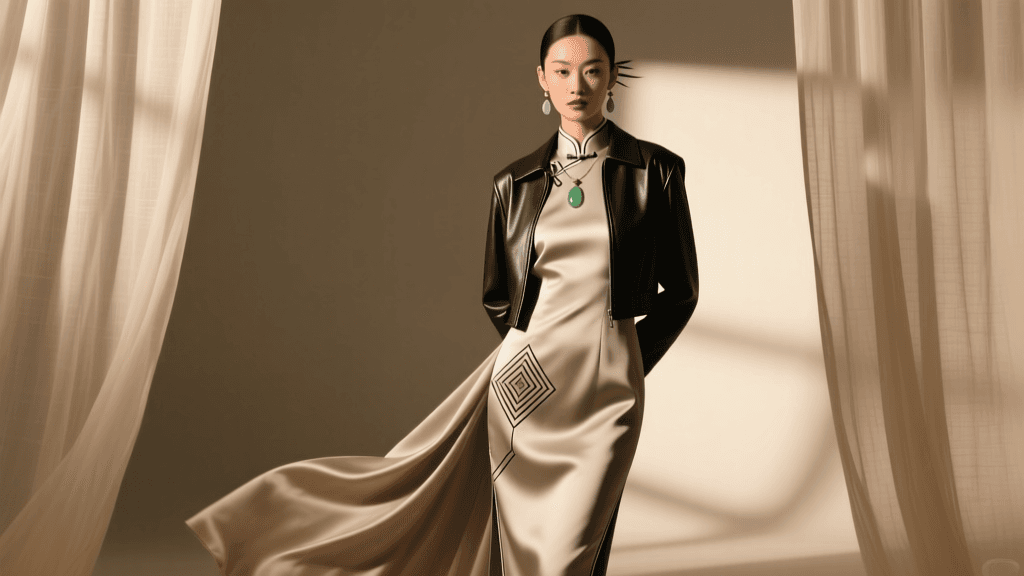
Unlike strict historical replicas that demand complex layering and traditional hair accessories, Neo-Chinese fashion encourages juxtaposition. It is about pairing a centuries-old pleated silhouette with a crisp modern blazer, a graphic crop top, or chunky streetwear boots. According to cultural commentators at Sixth Tone, the modernization and 'loss of purity' in historical dress is actually a vital step in keeping the tradition alive, transforming museum artifacts into living, breathing fashion.
Deconstructing the Modern Mamianqun
The Mamianqun is structurally unique. It consists of two overlapping flat panels (guangmian) at the front and back, connected by pleated sections (zhe) on the sides. Historically, this design allowed for ease of movement while riding horses or walking through bustling city streets. Today, modern adaptations retain this overlapping structure but introduce new materials, waistband technologies, and lengths.
While traditional skirts relied on fabric ties and heavy brocades, the Neo-Chinese Mamianqun often features concealed side zippers, hook-and-eye closures, and lightweight jacquard weaves. This structural update solves the 'gaping' issue common in wrap skirts, making it a viable option for corporate environments and active city living.
Sourcing, Fabrics, and Costs
When sourcing a modern Mamianqun, fabric weight and drape are critical. The wrong fabric can make the pleats look bulky or cause the overlapping panels to flare awkwardly. Here is a practical guide to selecting the right material for your climate and lifestyle:
- Summer (Cupro & Tencel Blends): Weighing around 120-150g/m², these semi-synthetic fabrics offer a silk-like drape, breathability, and excellent pleat retention. Ideal for humid climates. Cost: $45 - $65 USD.
- Transitional (Polyester-Cotton Jacquard): Weighing 180-220g/m², jacquard weaves provide structural integrity, allowing woven patterns (like auspicious clouds or floral motifs) to catch the light without the need for heavy embroidery. Cost: $50 - $85 USD.
- Winter (Wool-Blend Suiting): Weighing 280g/m² and above, wool-blend Mamianqun mimic the drape of a tailored kilt or midi skirt. They hold sharp pleats and pair beautifully with tights and leather boots. Cost: $90 - $150 USD.
Timing Note: If ordering from specialized indie brands on platforms like Taobao (e.g., Shisanyu or Zhongling), expect a production and shipping lead time of 2 to 4 weeks, as many pleated garments are made-to-order to ensure precise heat-setting of the pleats.
Tailoring and Measurements for Fusion Styling
The most common mistake when adopting the Mamianqun is incorrect sizing, which leads to the front panels splitting open when walking. Because the skirt relies on an overlapping wrap system, your waist-to-hip ratio must be accounted for.
- Natural Waist: Measure the narrowest part of your torso. The skirt should sit exactly on the natural waist to prevent the heavy pleats from dragging the garment down.
- Hip Circumference: Measure the fullest part of your hips. Ensure the total flat width of the skirt panels (when overlapping) exceeds your hip measurement by at least 4-6 cm to prevent gaping.
- Skirt Length: For modern fusion styling, the ideal length is 3 to 5 cm above the ankle bone. This prevents the hem from dragging on wet city streets and allows you to showcase modern footwear like Chelsea boots or sleek loafers. Standard lengths usually range from 85cm (petite) to 105cm (tall).
Fusion Styling: Pairing Tradition with Modern Streetwear
The beauty of Xin Zhongshi lies in its versatility. Here are three actionable ways to style the Mamianqun for contemporary settings:
1. The Corporate Minimalist
Pair a solid-colored, dark wool-blend Mamianqun (navy, charcoal, or deep plum) with a crisp, oversized white button-down shirt. Tuck the shirt in tightly and add a thin leather belt that matches your loafers. The structured pleats of the skirt mimic a high-end designer midi skirt, while the subtle jacquard weave reveals its heritage only upon close inspection. Add a tailored, boxy blazer to complete the boardroom-ready look.
2. The Streetwear Edge
Contrast the elegance of a brightly patterned, lightweight summer Mamianqun with a fitted, ribbed graphic crop top or a vintage band tee. Layer with a cropped leather biker jacket and finish with chunky platform combat boots (like Dr. Martens). The juxtaposition of the flowing, ancient pleats against heavy, aggressive hardware creates a striking cyberpunk-meets-tradition aesthetic that dominates Asian street fashion hubs like Chengdu and Shanghai.
3. The Avant-Garde Layering
For autumn, wear a mid-length Mamianqun over a pair of tailored, wide-leg trousers. This technique, known as 'skirt-over-pants,' is a staple in high-fashion fusion. Ensure the trousers are slim enough at the thigh to avoid bulk, but flare slightly at the hem. Top with a high-neck merino wool sweater and a long, sweeping trench coat.
Comparison Chart: Traditional vs. Neo-Chinese Garments
Understanding the differences between historical Hanfu and modern Xin Zhongshi adaptations is crucial for building a functional wardrobe.
| Feature | Traditional Historical Hanfu | Neo-Chinese (Xin Zhongshi) Fusion |
|---|---|---|
| Waistband | Fabric ties, requires complex knotting | Concealed zippers, hook-and-eye, elastic inserts |
| Length | Floor-sweeping, often pooling at the shoes | Midi to ankle-grazing (85cm - 105cm) |
| Materials | Raw silk, heavy brocade, linen | Cupro, Tencel, poly-jacquard, wool suiting |
| Styling Context | Festivals, photoshoots, tea ceremonies | Office wear, streetwear, evening dinners |
| Maintenance | Dry clean only, delicate hand-washing | Machine washable (gentle), easy ironing |
Garment Care and Maintenance
The defining feature of the Mamianqun is its pleats (zhe). Modern fusion skirts are typically heat-set in factories, but they still require careful maintenance to retain their architectural shape.
- Washing: Never wring or twist a pleated skirt. If machine washing, use a mesh laundry bag, select the 'delicate' cycle with cold water, and use a mild detergent. For wool blends, dry cleaning is mandatory.
- Drying: Hang the skirt on a clip hanger by the waistband. The weight of the wet fabric will naturally pull the pleats downward, helping them retain their shape as they air dry.
- Ironing: If the pleats become misaligned, lay the skirt flat on an ironing board. Use a wooden tailor's clapper to press the pleats flat while applying steam. Never use a dry, hot iron directly on synthetic jacquard, as it will melt the fibers and permanently ruin the sheen.
As noted by textile historians at the Wikipedia archive on Chinese dress, the structural ingenuity of the Mamianqun has allowed it to survive dynastic changes and modern revolutions alike. By embracing Neo-Chinese styling, you are not just wearing a garment; you are participating in an ongoing dialogue between ancient craftsmanship and modern identity. Whether you are navigating a corporate office or exploring urban streetwear, the modern Mamianqun offers a profound, elegant, and deeply personal way to wear your heritage.