Styling Complete Hanfu Ensembles With Traditional Jade Hairpins
The Intersection of Hanfu and Jade in Traditional Styling
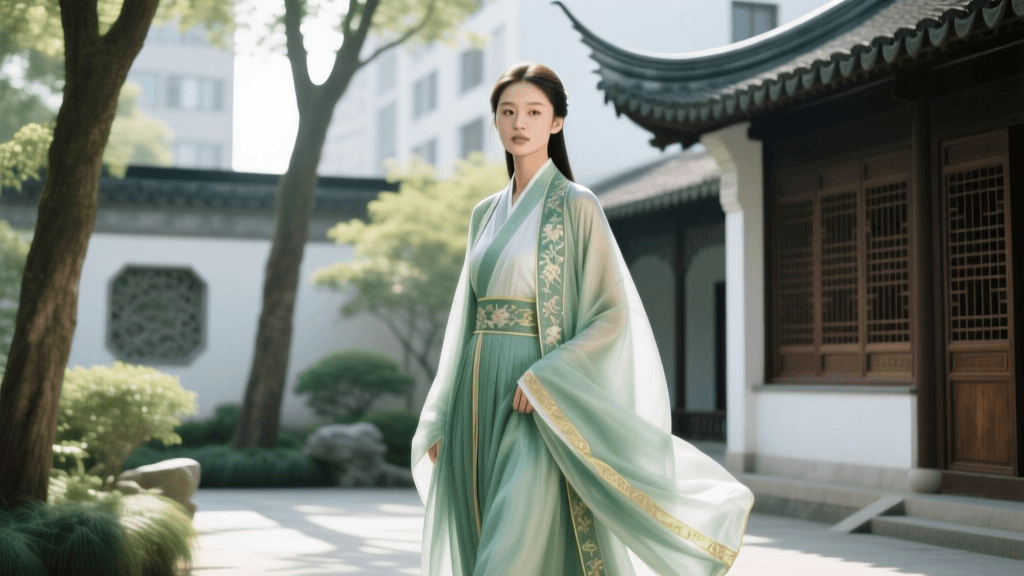
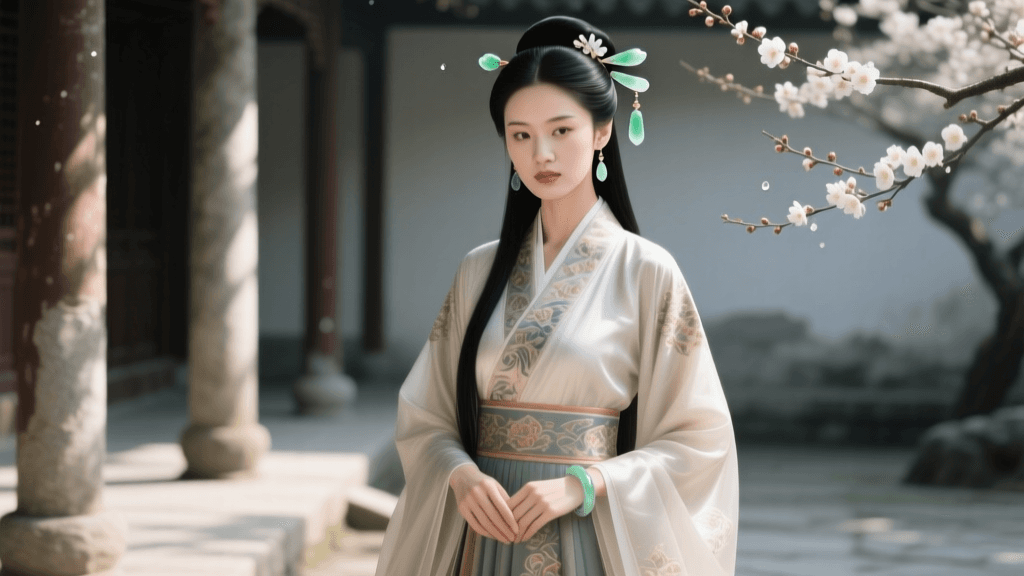
The global revival of traditional Chinese clothing, known as the Hanfu movement, has brought immense attention to the intricate details of historical Asian fashion. While the flowing silk garments often capture the eye first, a complete Hanfu ensemble is never truly finished without its crowning glory: the hair accessories. Among the myriad materials used in Chinese hair ornamentation, jade remains the most culturally significant and aesthetically revered. According to the Metropolitan Museum of Art's Heilbrunn Timeline of Art History, jade has been carved in China since the late Neolithic period, symbolizing purity, moral integrity, and celestial connection. Integrating authentic jade hairpieces into your Hanfu wardrobe elevates an outfit from a simple costume to a profound cultural expression.
This comprehensive guide will walk you through the nuances of selecting jade, understanding traditional hairpin structures, matching accessories to specific historical dynasties, and practically assembling a complete, museum-worthy Hanfu ensemble.
Understanding Jade: Nephrite vs. Jadeite for Hair Accessories
Before purchasing jade hair ornaments, it is crucial to understand the two distinct minerals classified as 'jade' in the gemological and historical markets. Your choice will heavily influence the cost, historical accuracy, and visual weight of your ensemble.
1. Hetian Nephrite (Ruan Yu)
Nephrite is the historically authentic jade of ancient China, used from the Neolithic era through the Qing Dynasty. It is prized for its温润 (wenrun) — a warm, oily, and milky translucency. The most coveted variety is 'Mutton-fat' (Yangzhi) jade, which is pure white and highly opaque. For Hanfu styling, nephrite provides a soft, matte elegance that pairs beautifully with the subtle sheen of traditional silk damasks and brocades. Authentic carved nephrite hairpins typically range from $80 to $400, depending on the carving complexity and stone purity.
2. Burmese Jadeite (Ying Yu)
Jadeite was introduced to China in large quantities during the mid-to-late Qing Dynasty. It is harder, more translucent, and comes in vivid colors like imperial green, lavender, and glassy white. While historically less accurate for pre-Qing Hanfu styles (like Tang or Song), jadeite's brilliant luster makes it a favorite for modern Hanfu enthusiasts who want their accessories to catch the light in outdoor photography. High-quality jadeite hairpins are an investment, often starting at $250 and reaching well over $2,000 for imperial-grade stones.
Essential Jade Hairpin Structures and Measurements
Traditional Chinese hair accessories are categorized by their structural function. When shopping for jade pieces, you will encounter three primary forms, each requiring different hair preparation techniques.
- Zan (Single-Prong Hairpin): The most fundamental hairpin, featuring a single tapered shaft. Jade Zan are typically 16 to 18 centimeters in length. They are used to pierce through the center of a bun to anchor it to the base hair. Because jade is heavy, a Zan must have a slightly textured shaft to prevent it from slipping out of the hair.
- Chai (Double-Prong Hairpin): Featuring two prongs that branch from a decorative jade head, the Chai acts like a structural fork. Standard lengths range from 14 to 16 centimeters. The dual prongs distribute the weight of the heavy jade top, making it ideal for securing the sides of elaborate updos or anchoring false hairpieces.
- Buyao (Step-Sway): Characterized by dangling elements that tremble with the wearer's movements. While the main body may be carved from jade, the dangling beads are often made of lighter materials like pearl, agate, or glass to prevent the hairpin from pulling the hair. Buyao shafts are generally shorter, around 12 to 14 centimeters, and are inserted at a 45-degree angle at the front or sides of the hairstyle.
Dynasty Pairings: Matching Jade to Your Hanfu Silhouette
Historical accuracy in Hanfu styling extends to the harmony between the garment's silhouette and the hair accessories. The Met Museum's overview of the Ming Dynasty highlights how sumptuary laws and a flourishing economy led to highly structured garments and equally structured, ornate accessories. Below is a practical comparison chart to help you match your jade pieces to your specific Hanfu era.
| Dynasty | Hanfu Silhouette | Jade Preference | Ideal Hair Accessory | Styling Notes |
|---|---|---|---|---|
| Tang | Qixiong Ruqun (Chest-high skirt) | Yellowish/White Nephrite | Elaborate Buyao with pearls | Tang hairstyles are voluminous and high. Use multiple Buyao and large floral jade combs to balance the height. |
| Song | Beizi (Open-front coat) and Baidiequn | Celadon/Green Nephrite | Minimalist, slender Zan | Song aesthetics favor restraint and intellectual elegance. A single, high-quality celadon Zan in a low, swept bun is ideal. |
| Ming | Aoqun (Jacket and skirt) and Mamianqun | Mutton-fat Hetian Jade | Ornate gold-inlaid Chai and Buyao | Ming styles are structured and formal. Pair heavy brocade Mamianqun with symmetrical Chai placements and jade-inlaid gold bases. |
Assembling Your Complete Hanfu Ensemble: A Step-by-Step Guide
Creating a cohesive look requires layering your garments and accessories methodically. Follow these practical steps to assemble a Ming-inspired Mamianqun ensemble with jade accents.
Step 1: The Base Layers (Zhongyi)
Always begin with a Zhongyi (inner garment). This is typically a white or off-white cotton or linen cross-collar top. It protects your expensive silk outer layers from sweat and provides a crisp white collar line that frames the neck. Ensure the sleeves are tailored to your exact wrist measurement minus 2 centimeters so they do not bunch under your outer jacket.
Step 2: The Core Garments (Ao and Qun)
Don your Mamianqun (horse-face skirt). The waistband should sit naturally at your navel, not the high waist. Secure it tightly using the dual side-ties, ensuring the flat front and back panels remain perfectly centered. Next, put on your Ao (outer jacket). For a winter or formal look, choose a Pipa-sleeve Ao made of woven jacquard or brocade. The hem of the Ao should fall just below the hip, creating a structured, A-line silhouette.
Step 3: Hair Preparation and Padding
Jade is heavy, and traditional Hanfu hairstyles require structural integrity. If your natural hair is fine or thin, invest in a wire-frame hair donut or traditional yak-hair padding. Sweep your hair into a high structural base, securing it tightly with elastic and U-pins. The padding should sit at the crown, providing a solid anchor for the 16cm jade Zan.
Step 4: Jade Placement and Balancing
Insert your primary jade Zan horizontally through the center of the bun, piercing the base hair to lock the structure. Follow this by inserting two jade Chai at the 4 o'clock and 8 o'clock positions at the base of the bun. Finally, place a delicate jade Buyao at the front, slightly off-center, allowing the pearl drops to rest gently against the temple. The asymmetry of the Buyao contrasts beautifully with the symmetrical structure of the Ming Aoqun.
Sourcing, Budgeting, and Jade Care
When sourcing authentic jade hairpins, avoid cheap tourist traps or generic e-commerce sites that sell dyed quartz or glass labeled as jade. Reputable sources include specialized Hanfu accessory artisans on platforms like Taobao (look for sellers providing NGTC or national gemological certificates) or dedicated jade carvers in regions like Suzhou and Jieyang. Budget around $150 for a starter set of genuine, un-dyed nephrite hairpins.
To maintain your jade accessories, remember that nephrite and jadeite are porous to oils and sensitive to harsh chemicals. After wearing your ensemble, gently wipe the jade elements with a soft, dry microfiber cloth to remove hair oils and styling products. Never use ultrasonic cleaners on carved jade hairpins, as the vibrations can fracture internal fissures, especially in antique or highly detailed pieces. Store them wrapped in soft cotton pouches, separate from metal hairpins, to prevent scratching.
Conclusion
Mastering the art of Hanfu styling is a journey into the heart of Asian traditions. By understanding the historical weight of jade, the structural mechanics of traditional hairpins, and the specific silhouette requirements of different dynasties, you transform the act of getting dressed into a living tribute to Chinese heritage. Whether you are attending a Hanfu convention, participating in a traditional tea ceremony, or simply enjoying a styled photoshoot, the cool touch of authentic jade against your hair remains a timeless connection to the past.