Modern Qipao Styling: A Guide to Cheongsam Evolution
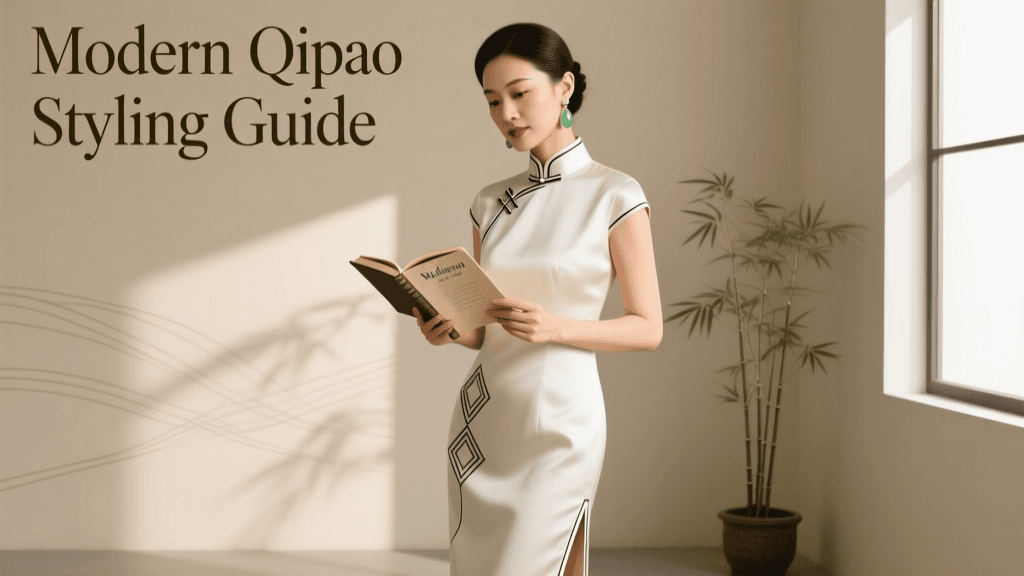
The Evolution of the Qipao: From Manchu Robes to Modern Silhouettes
The qipao, widely known in the West as the cheongsam, is one of the most iconic garments in Asian fashion history. However, the form-fitting, high-collared dress recognized globally today is a relatively modern invention. Originating from the loose, voluminous robes worn by Manchu women during the Qing Dynasty (1644–1912), the garment underwent a radical transformation in the 1920s and 1930s. In the cosmopolitan hub of Shanghai, young women and socialites began tailoring the traditional robe to reflect modern, liberated sensibilities, incorporating Western darting techniques to create a silhouette that celebrated the natural curves of the body.
As explored in the Metropolitan Museum of Art's landmark exhibition China: Through the Looking Glass, the qipao became a canvas for cross-cultural exchange, blending traditional Chinese silk embroidery with Western textiles and cuts. Today, the qipao is experiencing a massive renaissance. No longer confined to weddings or Lunar New Year celebrations, it has evolved into a versatile wardrobe staple, driven by the 'Xin Zhongshi' (New Chinese Style) movement that merges heritage craftsmanship with contemporary streetwear and office-appropriate aesthetics.
Traditional vs. Modern Cheongsam: A Comparison Chart
Understanding the nuances between historical and contemporary qipao styles is essential for modern styling. Below is a comparison guide to help you identify which silhouette suits your needs.
| Feature | Traditional (1930s Shanghai) | Modern / Xin Zhongshi | Avant-Garde / Runway |
|---|---|---|---|
| Fabric | Heavy silk brocade, velvet, damask | Linen, cotton, mulberry silk, crepe | Neoprene, leather, upcycled textiles |
| Collar | High, stiff, tightly fastened (up to 5cm) | Mandarin collar (2-3cm), open neck, or collarless | Asymmetrical, exaggerated, or deconstructed |
| Length & Slits | Floor-length or mid-calf with high thigh slits | Mini, midi, or cropped tops; moderate slits | Variable, often featuring dramatic cutouts |
| Fastenings | Handmade knotted frog buttons (pankou) | Frog buttons, hidden zippers, snap buttons | Industrial zippers, corset lacing, toggles |
| Best Occasion | Formal weddings, traditional banquets | Office wear, gallery dates, daily streetwear | Fashion weeks, editorial shoots, galas |
How to Measure and Fit Your Modern Qipao
A poorly fitted qipao can restrict movement and cause discomfort, particularly around the neck and bust. Whether you are ordering a bespoke piece from a tailor in Shanghai or buying online, precise measurements are non-negotiable.
Essential Measurements
- Neck Circumference: Measure around the base of the neck where the collar will sit. For a traditional high collar, add 0.5 cm for breathing room. For modern styles, measure exactly.
- Bust, Waist, and Hips: Measure the fullest parts. The qipao relies on precise darting; ensure you are wearing the undergarments you plan to use with the dress when measuring.
- Shoulder Width: Measure from the edge of one shoulder bone to the other across the back.
- Hollow to Hem: Measure from the hollow at the base of your front neck down to your desired hemline. For a midi dress, this is typically 105–115 cm depending on height.
- Slit Placement: Decide where the side slit begins. A modern, office-appropriate slit usually starts just above the knee (approx. 50 cm from the hem), whereas traditional evening styles may start at the upper thigh.
Cost Expectations and Sourcing
The cost of a qipao varies wildly based on craftsmanship and materials. Off-the-rack modern qipaos from online boutiques typically range from $50 to $150. Mid-tier contemporary brands utilizing genuine silk and handmade frog buttons will cost between $200 and $600. For a fully bespoke garment crafted by a master tailor using premium Xiangyunsha (a heritage dyed silk) or intricate Su embroidery, expect to invest anywhere from $800 to over $3,000. According to industry analyses by South China Morning Post, the surge in demand for Xin Zhongshi has led to a booming market of accessible, mid-priced independent designers bridging the gap between fast fashion and luxury bespoke.
Practical Styling: Wearing the Cheongsam Today
The modern qipao is highly adaptable. By playing with proportions, fabrics, and layering, you can integrate this heritage garment into virtually any contemporary setting.
The Office and Everyday Elegance
For professional environments, opt for a midi-length qipao in matte fabrics like cotton-linen blends or crepe. Avoid loud, high-contrast floral brocades, which can look overly festive. Instead, choose solid, muted tones like charcoal, navy, sage green, or dusty rose. A sleeveless or short-sleeved qipao layered under a sharply tailored Western blazer creates a sophisticated, cross-cultural power suit. Complete the look with low-block heels or minimalist leather loafers. Keep jewelry understated—a single jade bangle or small gold hoops are perfect.
Streetwear and the Xin Zhongshi Movement
The 'New Chinese Style' is all about subverting traditional elegance with casual, utilitarian elements. To achieve this viral aesthetic, try a cropped qipao top featuring a mandarin collar and frog buttons, paired with high-waisted, wide-leg denim or cargo pants. Sneakers, chunky combat boots, or Mary Janes with white ankle socks ground the look in contemporary youth culture. As noted in SCMP's coverage of Chinese fashion feminism, younger generations are reclaiming the qipao not as a restrictive uniform, but as a bold statement of cultural pride and individuality, often mixing it with skatewear or oversized outerwear.
Weddings and Formal Galas
For formal events, embrace the drama of the traditional silhouette with modern upgrades. A floor-length qipao with a dramatic train or a thigh-high slit offers red-carpet glamour. While red and gold remain the standard for traditional Chinese wedding banquets, modern brides are increasingly opting for champagne, blush pink, or even midnight blue silks adorned with subtle, tone-on-tone embroidery (such as cranes or magnolias). Pair with elegant stiletto heels, an intricate updo to showcase the collar, and statement drop earrings. If the event is in winter, layer a tailored wool coat or a faux-fur cropped stole over the shoulders.
Garment Care: Preserving Your Heritage Piece
Proper care is vital to maintaining the structural integrity and beauty of your qipao, especially those featuring delicate textiles or handmade embellishments.
- Silk and Brocade: Always dry clean these fabrics. Water can cause silk to warp, shrink, or lose its luster. Store silk qipaos on padded hangers to prevent shoulder dimples, and keep them in breathable cotton garment bags away from direct sunlight to prevent fading.
- Linen and Cotton: Modern linen qipaos can usually be hand-washed in cold water with a mild, pH-neutral detergent. Never wring the fabric; instead, press the water out gently and lay flat to dry. Iron on a low setting while the garment is still slightly damp to remove wrinkles easily.
- Frog Buttons (Pankou): The intricate knotted buttons are often the first element to show wear. Avoid pulling them aggressively. If a knot becomes loose, take it to a specialist tailor who understands traditional Chinese knotting techniques rather than a standard alterations shop.
Conclusion
The qipao is far from a static relic of the past. Its evolution from the loose robes of the Qing dynasty to the sharp, modern silhouettes of the Xin Zhongshi movement proves its enduring versatility. By understanding proper fit, selecting the right fabrics for your lifestyle, and embracing contemporary styling techniques, you can make the cheongsam a vibrant, living part of your modern wardrobe. Whether you are navigating a corporate boardroom, attending a summer wedding, or exploring the streets of a bustling metropolis, the modern qipao offers a perfect blend of cultural heritage and sartorial innovation.