Styling Mythology-Inspired Hanfu For Chinese Legends
The Intersection of Myth and Wardrobe
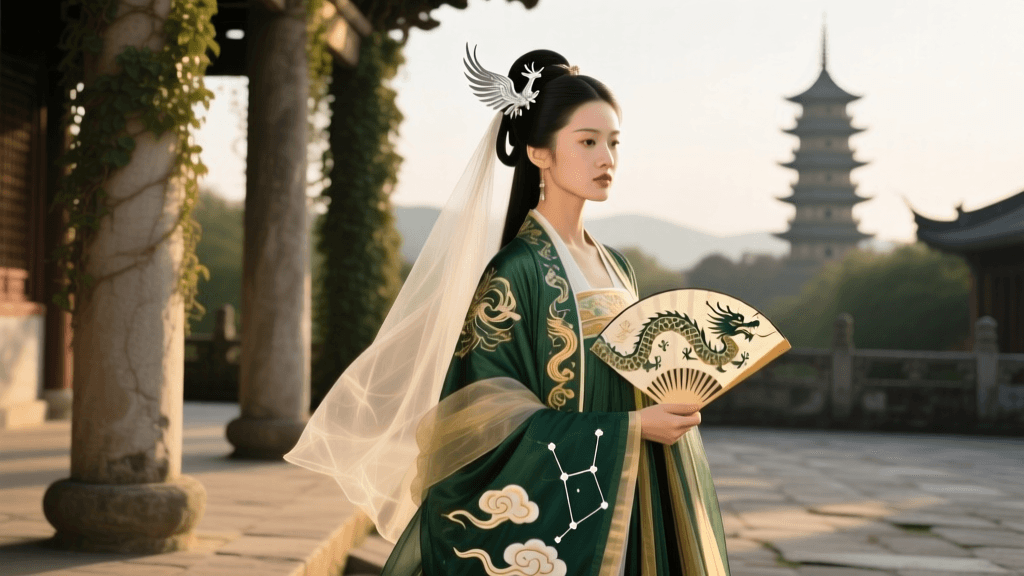
The modern Hanfu movement has evolved far beyond the simple recreation of historical dynastic dress. Today, one of the most vibrant and creative subcultures within the community is mythology-inspired Hanfu. Drawing from ancient texts, folklore, and classical literature, enthusiasts are meticulously crafting wardrobes that bring celestial deities, mythical beasts, and legendary heroes to life. Whether for immersive photoshoots, cultural conventions, or theatrical performances, dressing as a figure from Chinese mythology requires a deep understanding of textile symbolism, color theory, and structural tailoring.
Much of this mythological fashion is rooted in the Shanhaijing (Classic of Mountains and Seas), an ancient Chinese classic text and a compilation of mythic geography and beasts. According to Encyclopedia Britannica, this foundational text has shaped the Chinese imagination for millennia, detailing creatures like the Nine-Tailed Fox and various dragon deities that continue to inspire modern textile artists and Hanfu designers today.
1. The Nine-Tailed Fox (Huli Jing): Ethereal & Wild
The Huli Jing, or Nine-Tailed Fox, is a creature of immense power, beauty, and occasional danger. In Hanfu styling, this mythological figure is often portrayed with a blend of wildness and ethereal grace. The foundational garment for this look is the Daxiushan (Large-Sleeved Robe) worn over a Qixiong Ruqun (chest-high pleated skirt). The goal is to create a silhouette that mimics the flowing, multi-tailed nature of the fox spirit.
Fabric and Color Palette
To achieve the supernatural drape required for the Huli Jing, avoid heavy cottons or stiff brocades. Instead, opt for 30D or 50D chiffon and lightweight organza. These fabrics catch the wind beautifully, creating a floating illusion. The color palette should lean into stark contrasts: snow-white, crimson red, and metallic gold. For the robe's trim, look for machine-embroidered fox-fire motifs or subtle paw-print patterns woven into the organza.
Actionable Styling Details
- Sleeve Measurements: The Daxiushan sleeves must be exceptionally long. Request a sleeve wingspan of at least 180cm to 200cm, with a sleeve drop (width at the wrist) of no less than 60cm. This allows the fabric to pool on the ground, mimicking extra tails.
- Accessories: A faux-fur stole (approx. 150cm long) draped over the shoulders is essential. Pair this with velvet flower hairpins in deep red and gold, and a set of nine small jade pendants hanging from a waist sash to symbolize the nine tails.
- Estimated Cost: $110 - $180 USD for a complete, high-quality set.
2. Chang’e (The Moon Goddess): Celestial Elegance
Chang’e, the immortal goddess of the moon, represents sorrow, beauty, and celestial isolation. Her wardrobe is heavily influenced by the Feitian (flying apsaras) depicted in the Dunhuang cave murals. The defining element of Chang’e’s Hanfu is the Pibo (a long, flowing silk scarf or stole) which wraps around the arms and floats behind the wearer, suggesting weightlessness and flight.
Fabric and Color Palette
The historical significance of silk in Chinese culture cannot be overstated. As noted by The Metropolitan Museum of Art, silk was not merely a textile but a symbol of status, spirituality, and cosmic connection. For Chang’e, authentic silk is non-negotiable. The Pibo should be crafted from 16 momme silk chiffon or lightweight silk georgette, dyed in gradients of ice blue, pearlescent white, and pale lavender. The main dress, often a Jiao Ling Ruqun (cross-collar skirt set), should feature subtle silver-thread embroidery of moon phases or osmanthus flowers.
Actionable Styling Details
- Pibo Dimensions: A standard Pibo for a mythological photoshoot should measure at least 30cm in width and 250cm to 300cm in length. Ensure the edges are finished with hand-rolled hems to prevent fraying and maintain a luxurious drape.
- Hair and Makeup: Style the hair in a high, sweeping updo (such as the Feixian Ji or flying immortal bun). Secure it with a silver hairpin featuring a jade rabbit motif. Makeup should feature a cool-toned palette with silver highlighter on the cheekbones and a traditional Huadian (forehead mark) shaped like a crescent moon.
- Estimated Cost: $140 - $220 USD (Authentic silk Pibo sets are pricier due to material costs).
3. The Dragon King (Long Wang): Regal Authority
The Dragon Kings of the Four Seas are rulers of the oceans, commanding rain, storms, and aquatic life. Portraying the Dragon King requires garments that project immense authority, martial prowess, and imperial weight. The ideal garment is the Yuanlingpao (round-collar robe) or the Feiyufu (flying fish robe) popularized during the Ming Dynasty. The Ming Dynasty's strict sumptuary laws dictated who could wear dragon motifs, making these robes historically significant for portraying high-ranking deities.
The literary depiction of the Dragon King's court in the classic novel Journey to the West further cements the image of these deities in opulent, armor-like court dress. As referenced in Britannica's overview of Journey to the West, the celestial and aquatic bureaucracies were depicted with rigid hierarchies, reflected directly in the heavy, embroidered robes of their rulers.
Fabric and Color Palette
Unlike the ethereal fox or the weightless moon goddess, the Dragon King requires structure. Heavy silk brocade, jacquard weaves, and stiff satin are the fabrics of choice. The colors must reflect the deep ocean and imperial power: navy blue, emerald green, obsidian black, and heavy gold. The embroidery should feature the Mang (four-clawed dragon) or traditional wave-and-cloud patterns (Hai Shui Jiang Ya) at the hem.
Actionable Styling Details
- Robe Structure: The Yuanlingpao must be tailored with stiff interfacing in the collar and shoulders to maintain a commanding posture. The hem should feature at least 30cm of dense, metallic-thread embroidery.
- Accessories: A Wushamao (winged official's hat) or a stylized dragon-horn crown is mandatory. Pair the robe with a leather or faux-leather belt featuring jade plaques and a ceremonial sword (Jian) with a tassel.
- Estimated Cost: $180 - $350 USD (Heavy brocade and dense embroidery significantly increase the price).
Deity Style Comparison Chart
| Mythological Figure | Core Garment | Key Fabric & Weight | Essential Accessory | Est. Budget (USD) |
|---|---|---|---|---|
| Nine-Tailed Fox | Daxiushan (Large Sleeve) | 30D Chiffon / Organza | Faux-Fur Stole & Jade Pendants | $110 - $180 |
| Chang’e (Moon) | Jiao Ling Ruqun + Pibo | 16 Momme Silk Georgette | Jade Rabbit Hairpin & Silver Pibo | $140 - $220 |
| Dragon King | Yuanlingpao / Feiyufu | Heavy Silk Brocade / Jacquard | Wushamao Hat & Ceremonial Sword | $180 - $350 |
Practical Sourcing, Tailoring, and Styling Guide
Transitioning from a concept to a fully realized mythological Hanfu requires strategic sourcing and an understanding of the manufacturing timelines within the Hanfu industry. Most high-end, heavily embroidered pieces are not kept in stock; they are produced in limited batches or made-to-order.
Where to Buy and Search Terms
While international retailers exist, the most authentic and cost-effective way to source mythology-inspired Hanfu is through Taobao or specialized brand storefronts. When searching, use the following Mandarin keywords to find exactly what you need:
- Nine-Tailed Fox: Search '九尾狐 汉服' (Nine-tailed fox Hanfu) or '妖气 大袖衫' (Demonic/Spirit large-sleeved robe).
- Chang’e: Search '嫦娥 飞仙' (Chang'e flying immortal) or '敦煌 飞天 披帛' (Dunhuang apsara Pibo).
- Dragon King: Search '明制 蟒袍' (Ming dynasty Mang robe) or '龙王爷 飞鱼服' (Dragon King flying fish robe).
Reputable brands known for their mythological and fantasy lines include Shisanyu (famous for their ethereal, fairy-like chiffon sets) and Zhongling (renowned for historically grounded, heavy Ming Dynasty brocades perfect for deity cosplay).
Precise Measurements and Tailoring
Mythological Hanfu relies heavily on exaggerated proportions. When providing your measurements to a tailor or selecting a size, pay special attention to the following:
- Skirt Length: For a celestial look, the skirt should graze the floor even when wearing 5cm platform shoes. Measure from your natural waist (or chest, for Qixiong) down to the floor, then add 2cm. Standard lengths are usually 105cm to 120cm.
- Chest and Waist Ease: Hanfu is traditionally cut with generous ease. For a Jiao Ling Ruqun, ensure the top has at least 10cm of ease around the bust to allow for the overlapping cross-collar to sit flat without gaping.
Budgeting and Convention Timing
If you are planning to debut your mythological Hanfu at a specific convention or photoshoot, timing is critical. Because many fantasy Hanfu sets feature intricate Suzhou-style machine embroidery or hand-woven gold threads, production times can be lengthy.
'To wear the garments of the gods is to adopt their patience. The loom does not rush the silk, and the embroiderer does not rush the dragon's scales.'
Always place your orders at least 45 to 60 days before your event. This accounts for the 15-30 day manufacturing window, domestic shipping to a consolidation warehouse, and the 10-15 day international transit time. Budget an additional $30-$50 for specialized accessories like custom resin jade hairpins or theatrical makeup, which are rarely included in the base garment sets.
Conclusion
Styling mythology-inspired Hanfu is a profound way to engage with Chinese folklore. By paying meticulous attention to fabric weights, historical silhouettes, and symbolic accessories, you do more than wear a costume; you embody the rich, narrative tapestry of ancient legends. Whether you are channeling the wild grace of the Nine-Tailed Fox, the sorrowful elegance of Chang’e, or the commanding presence of the Dragon King, the right garments will transform myth into a tangible, breathtaking reality.