Hanfu in Peking Opera and Kunqu: 2026 Stage Wardrobe Guide
The Intersection of Historical Hanfu and Theatrical Xifu
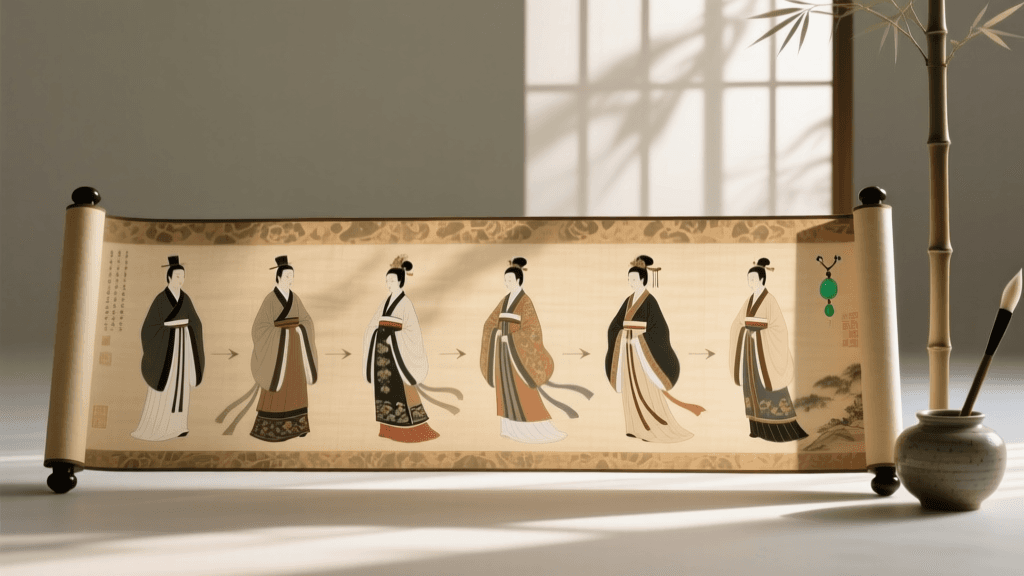
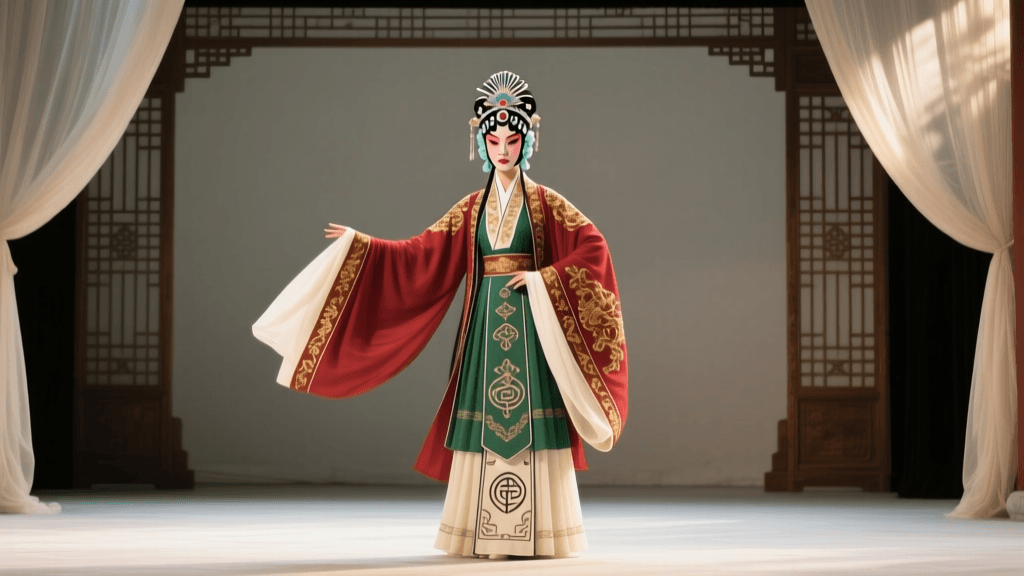
As we navigate the vibrant cultural landscape of 2026, the global renaissance of traditional Chinese garments has reached the grand stages of Peking Opera (Jingju) and Kunqu. While everyday Hanfu enthusiasts focus on historical accuracy for streetwear and ceremonies, the performing arts rely on a specialized evolution of these garments known as Xifu (theatrical costumes). Understanding the nuanced relationship between authentic Hanfu and stage wardrobes is essential for performers, costume designers, and cultural historians alike. In 2026, top-tier troupes are investing heavily in bridging the gap between historical Ming Dynasty silhouettes and the exaggerated, dynamic requirements of the modern stage.
Kunqu, often celebrated as the 'ancestor of a hundred operas,' relies heavily on the elegant, flowing lines of Ming-era Hanfu. Recognized globally for its profound artistic value, UNESCO lists Kunqu as an Intangible Cultural Heritage, a status that has driven immense funding into authentic costume restoration in 2026. Conversely, Peking Opera, which is also inscribed on the UNESCO Representative List, utilizes a highly stylized, anachronistic blend of Hanfu elements mixed with Qing Dynasty influences and martial aesthetics. For the modern theatrical wardrobe manager, distinguishing between these two styles is the first step in curating a world-class performance wardrobe.
2026 Sourcing Guide: Artisan Workshops and Theatrical Tailors
Sourcing authentic, stage-ready Hanfu-inspired garments requires navigating a specialized network of artisans. In 2026, the epicenter for Kunqu wardrobe production remains Suzhou, where master embroiderers utilize traditional Su Xiu (Suzhou embroidery) techniques to create breathtaking phoenix and dragon motifs. For Peking Opera, the Liyuan district in Beijing continues to house generational tailors who specialize in heavy, structured garments designed to withstand acrobatic choreography.
Current Market Pricing and Lead Times
- Custom Kunqu Silk Robe (Mang or Pei): Expect to pay between 8,500 and 15,000 RMB in 2026 for hand-embroidered, heavyweight mulberry silk. Lead times are currently averaging 4 to 6 months due to high demand from international touring companies.
- Peking Opera Armored Jackets (Kao): A full four-flag back set with intricate metallic threadwork ranges from 12,000 to 22,000 RMB. These require specialized structural tailoring to allow for the rapid spins and leaps characteristic of Jingju martial roles.
- Off-the-Rack Practice Garments: For drama students and amateur troupes, machine-embroidered polyester-silk blends are available for 800 to 1,500 RMB, offering a budget-friendly alternative for daily rehearsals.
Comparing Silhouettes: Historical vs. Theatrical
To visualize the differences between everyday historical garments and their stage counterparts, review the 2026 comparative breakdown below. This table is an essential reference for costume designers adapting historical Hanfu for theatrical use.
| Garment Feature | Historical Ming Hanfu | Kunqu Stage Xifu | Peking Opera Stage Xifu |
|---|---|---|---|
| Primary Fabric | Woven silk, linen, ramie | Heavy lustrous silk, satin | Stiffened silk, brocade, velvet |
| Sleeve Style | Pipa sleeves, straight cuffs | Extended white water sleeves | Water sleeves or tight martial cuffs |
| Silhouette | Natural drape, A-line skirts | Exaggerated width, layered sashes | Structured shoulders, padded armor |
| Color Palette | Muted, natural plant dyes | Pastels, elegant jade greens | High-contrast, bold primary colors |
| 2026 Avg. Cost | 1,500 - 4,000 RMB | 8,500 - 15,000 RMB | 12,000 - 25,000 RMB |
The Water Sleeve (Shuixiu) Masterclass
No discussion of Hanfu in traditional performing arts is complete without an in-depth look at the Shuixiu, or water sleeves. In 2026, the technique of attaching and manipulating these extensions remains a rigorous discipline. Unlike historical Hanfu sleeves, which were designed for warmth and modesty, water sleeves are pure theatrical instruments used to convey emotion, from the subtle trembling of grief to the violent whipping of anger.
Actionable Sizing and Attachment Guide
For performers ordering custom water sleeves this year, precise measurements are non-negotiable. The standard length for a Kunqu female role (Dan) is 65 to 75 centimeters beyond the wrist, while Peking Opera male scholars (Sheng) typically utilize 50 to 60 centimeters. The fabric must be 100% unlined white mulberry silk, specifically a high-momme weight that allows the fabric to 'snap' back to the wrist when flicked.
When attaching the sleeves to the base garment, tailors in 2026 use a reinforced double-stitch hidden seam. The inner wristband must be lined with soft cotton to prevent chafing during the hundreds of repetitive wrist rotations required in a single performance. Never use synthetic blends for water sleeves; polyester lacks the necessary fluid drape and will tangle under stage lighting.
Eco-Friendly Dyeing and Sustainable Stagecraft
A major trend defining the 2026 theatrical season is the return to natural, eco-friendly dyeing methods for high-end stage garments. Leading Kunqu troupes in Jiangsu are collaborating with botanical dye laboratories to recreate authentic Ming-era hues using indigo, lotus root extracts, and pomegranate rinds. This initiative not only reduces the chemical runoff associated with synthetic theatrical dyes but also provides a softer, more historically accurate visual texture under modern LED stage lighting. When commissioning a premium garment, request a 'botanical dye certificate' from your Suzhou artisan to ensure the silk has been treated using these sustainable, traditional methods.
Travel Wardrobes and Climate Adaptation
With international tours of Peking Opera and Kunqu reaching record numbers in 2026, transporting these delicate, heavily embroidered garments requires meticulous planning. Theatrical Hanfu is highly susceptible to humidity fluctuations, which can warp the stiffened brocades and tarnish metallic threads.
'A masterwork Kunqu robe is an investment in cultural heritage. Treating it like standard luggage is a disservice to the hundreds of hours of embroidery it contains.' — Master Tailor Wei, Beijing Liyuan District, 2026.
Essential Travel Protocols for 2026
- Climate-Controlled Cases: Invest in hard-shell, waterproof garment trunks equipped with passive silica gel desiccant compartments. Maintain an internal humidity level of exactly 45% to prevent silk rot and metallic oxidation.
- The Rolling Technique: Never fold a heavily embroidered Peking Opera Kao (armor). The metallic threads will snap. Instead, roll the garment around acid-free archival tubes, interleaving the layers with unbleached muslin cloth.
- Acclimatization: Upon arriving in a new climate zone, allow the garment trunk to sit unopened for 12 hours. This prevents sudden thermal shock and condensation from forming directly on the silk fibers.
Maintenance and Archival Storage
Proper maintenance ensures these garments survive for future generations. After every performance, water sleeves must be detached, hand-washed in cold water with a pH-neutral silk detergent, and air-dried flat. The main body of the theatrical Hanfu should never be dry-cleaned with harsh modern chemicals, as this strips the natural sericin from the silk. Instead, use traditional camphor wood storage boxes, which naturally repel moths and silverfish without introducing toxic odors to the fabric. By respecting the historical roots of Hanfu while embracing the rigorous demands of the stage, performers and archivists in 2026 are ensuring that the visual poetry of Peking Opera and Kunqu continues to captivate global audiences for decades to come.