Mindful Kitsuke: Kimono Dressing for Wellness in 2026
The Intersection of Kitsuke and Somatic Wellness
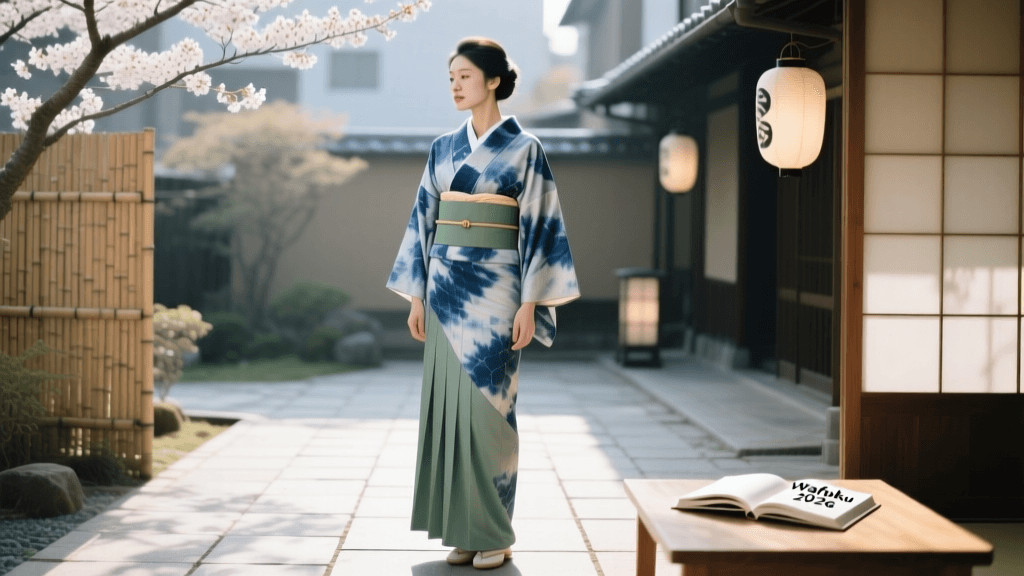
In 2026, the global wellness industry has increasingly recognized that true wellbeing extends beyond diet and exercise into the daily rituals of how we adorn our bodies. At the forefront of this movement is kitsuke—the traditional Japanese art of wearing a kimono. Far from being a mere fashion statement or a rigid historical reenactment, mindful kitsuke has emerged as a powerful form of moving meditation. The deliberate, multi-step process of wrapping, folding, and tying the garment requires a level of focused presence that naturally grounds the nervous system, pulling the practitioner out of digital anxieties and into the tactile reality of the present moment.
The psychological phenomenon known as "enclothed cognition" suggests that the clothes we wear systematically influence our psychological processes. When you engage in the slow, intentional act of dressing in a kimono, you are not just covering your body; you are actively shifting your mental state. According to research on mindfulness practices documented by Harvard Health, the deliberate focus required for multi-step physical routines significantly lowers cortisol levels and enhances emotional regulation. The physical sensation of the fabric, the precise alignment of the seams, and the gentle, firm pressure of the ties all contribute to a somatic experiencing practice that promotes deep mental clarity.
The 2026 Slow Fashion Kimono Renaissance
The year 2026 marks a definitive turning point in the global fashion consciousness. As consumers continue to reject the environmental and psychological toll of ultra-fast fashion, the kimono stands as the ultimate archetype of slow, circular fashion. The garment's inherent design philosophy aligns perfectly with modern sustainability goals. As The Metropolitan Museum of Art notes in its Heilbrunn Timeline essay on the Kimono, the garment's T-shaped, straight-seam construction is inherently designed to be taken apart, washed, re-dyed, and rewoven. There is virtually zero fabric waste in the traditional cutting process.
Today, the secondary market for vintage and antique kimono is thriving, offering a sustainable alternative to newly manufactured textiles. As the Ellen MacArthur Foundation's circular fashion framework emphasizes, extending the life of a high-quality garment by just nine months reduces its carbon, water, and waste footprints by 20-30%. By choosing to wear vintage silk, upcycled cotton, or sustainably woven hemp kimono, practitioners in 2026 are participating in a radical act of environmental stewardship while simultaneously nurturing their own mental health through the appreciation of wabi-sabi—the beauty of imperfection and impermanence.
Creating Your Mindful Dressing Space
Before beginning your kitsuke routine, it is essential to curate an environment that signals to your brain that it is time to slow down. In 2026, many wellness enthusiasts integrate smart home technology to facilitate this transition. Set your ambient lighting to a warm 2700K to mimic the soft glow of traditional shoji paper screens. Play a low-volume soundscape of shakuhachi (bamboo flute) or natural forest sounds, and introduce a subtle olfactory anchor, such as a hint of hinoki (Japanese cypress) or aged camphor wood, which naturally clears the mind and connects you to the garment's storage history.
Your 20-Minute Mindful Kitsuke Routine
This step-by-step routine is designed to be completed in 20 minutes, allowing ample time for deep breathing and somatic awareness at each stage.
Step 1: Grounding with the Hadajuban (Undergarments)
Begin barefoot on a tatami mat or a natural fiber rug. Put on your hadajuban (the thin, breathable under-robe) and susoyoke (wrap skirt). As you tie the simple cotton strings, take three deep, diaphragmatic breaths. Feel the soft, organic cotton against your skin. This layer acts as a protective boundary, separating your physical body from the outer world and signaling the beginning of your inward focus.
Step 2: Aligning Posture with the Nagajuban and Datejime
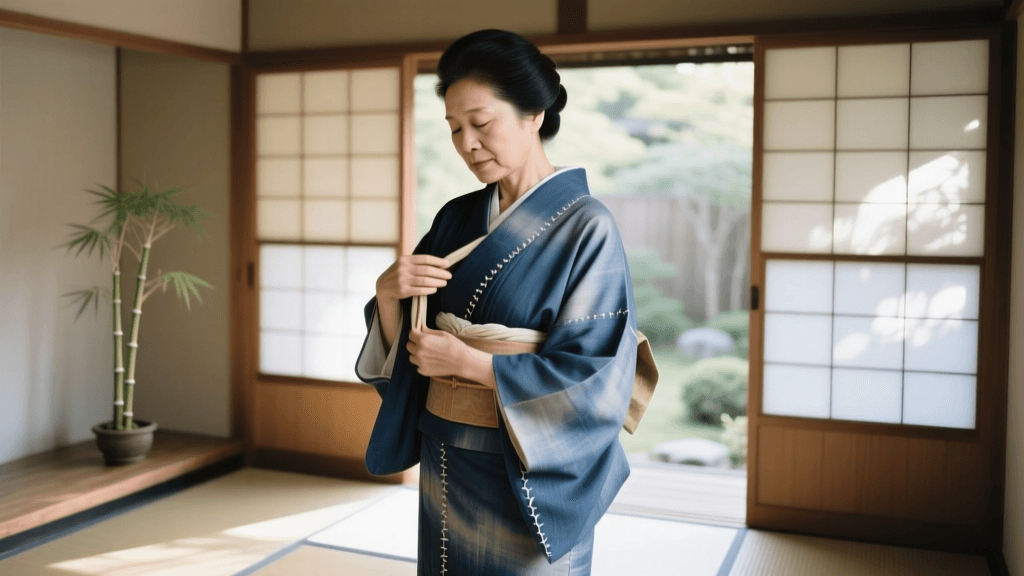
Slip on the nagajuban (the inner robe). Align the center back seam perfectly with your spine. This physical alignment encourages postural correction, gently pulling your shoulders back and opening your chest. Secure the robe with a datejime—a wide, elasticized belt. The gentle, even compression across your torso provides deep pressure stimulation, similar to the calming effects of a weighted blanket, which helps to regulate the autonomic nervous system.
Step 3: Wrapping the Kimono with Intention
Drape the main kimono over your shoulders. Hold the collar with both hands, ensuring the back seam is centered. Bring the right side of the kimono across your body, then wrap the left side over it (always left over right for the living). As you smooth the fabric down your hips, notice the weight and drape of the textile. Use your koshihimo (thin tying sashes, typically 130cm long and 5cm wide) to secure the kimono at your natural waist. Tie the knot at the front, pulling it just tight enough to feel secure, using the tension as a reminder to remain grounded and present.
Step 4: Sealing the Practice with the Obi
The obi (sash) is the structural and spiritual anchor of the kimono. For a mindful, everyday practice, opt for a soft, unstructured hanhaba obi (half-width sash) or a vintage cotton heko obi. Wrap it around your waist, feeling the firm support it provides to your core. As you tie a simple bunko (bow) or karuta knot at the back, set a single intention for your day. The final adjustment of the obi-jime (decorative cord) seals this intention, completing your transition from a state of rest to a state of mindful readiness.
Wellness Fabric Guide: Choosing the Right Textile
The tactile experience of the fabric is crucial for sensory grounding. Different textiles offer unique somatic benefits and are suited for different seasons and mental states. Below is a comparison of the most wellness-friendly kimono fabrics available in the 2026 vintage and sustainable market.
| Fabric Type | Breathability | Tactile Grounding Profile | 2026 Avg. Vintage Price (USD) | Best Season |
|---|---|---|---|---|
| Ojiya-chijimi Linen | Very High | Crisp, textured, cooling; stimulates alertness. | $120 - $180 | Summer |
| Tsumugi (Pongee) Silk | Medium | Nubby, warm, matte; provides comforting weight. | $90 - $150 | Spring / Autumn |
| Organic Cotton Blend | High | Soft, familiar, flexible; promotes deep relaxation. | $60 - $95 | All Seasons |
| Asa (Japanese Hemp) | High | Durable, structured, earthy; encourages grounded focus. | $140 - $220 | Summer / Early Autumn |
Environmental and Psychological ROI
Investing time and resources into a mindful kitsuke practice yields profound returns. Financially, building a capsule wardrobe of three to five high-quality vintage kimono and interchangeable obi is remarkably cost-effective compared to the endless cycle of purchasing seasonal fast fashion. A well-maintained vintage silk kimono from the mid-20th century can easily last another fifty years, making the cost-per-wear negligible over a lifetime.
Psychologically, the practice of kitsuke teaches patience, spatial awareness, and self-compassion. There are days when the collar will not sit perfectly flat, or the obi knot will feel asymmetrical. Mindful kitsuke encourages practitioners to embrace these imperfections, fostering a gentle acceptance of flaws that translates into greater emotional resilience in daily life. By choosing to wrap yourself in a garment that carries the history, artistry, and sustainable wisdom of Asian traditions, you are not just getting dressed—you are actively participating in a holistic ritual of self-care, cultural preservation, and planetary healing in 2026 and beyond.