Hanfu Coming of Age Ceremonies 2026: Ji Li & Guan Li Guide
In 2026, the intersection of the Xin Zhongshi (new Chinese style) movement and a profound desire for cultural rootedness has propelled ancient rites of passage back into the mainstream. Among the most significant of these are the Ji Li (笄礼) for women and the Guan Li (冠礼) for men. Historically, these coming-of-age ceremonies marked the transition from childhood to adulthood, carrying immense social, familial, and spiritual weight. Today, young adults across the globe are reclaiming these traditions, donning meticulously crafted Hanfu to honor their heritage while stepping into their future. According to cultural historians tracking the Hanfu movement, the demand for ceremonial-grade garments has surged by over 40% this year, driven by Gen Z and young millennials seeking meaningful alternatives to Western-style proms or generic birthday bashes.
Understanding the Ji Li and Guan Li Rites
The Ji Li, or hair-pinning ceremony, was traditionally held for young women at the age of fifteen, signifying their eligibility for marriage and their new responsibilities within the family and society. The Guan Li, or capping ceremony, was performed for young men at the age of twenty, marking their readiness to assume civic duties, inherit property, and participate in ancestral worship.
In modern 2026 practice, the rigid age requirements have relaxed. Many families and cultural societies now align these ceremonies with the 18th birthday, high school graduation, or university commencement. The core philosophy remains unchanged: it is a profound moment of gratitude toward parents, a commitment to personal virtue, and a public declaration of adulthood.
The Structure of the Ceremony: The Three Additions
Both the Ji Li and Guan Li are structured around the concept of 'San Jia' (three additions for men) or 'San Ji' (three additions for women). This involves three distinct changes of clothing and headgear, each symbolizing a deeper level of maturity and societal responsibility.
First Addition: The Garb of the Scholar
The ceremony begins with the initiate wearing a simple, unadorned Zhongyi (inner garment) and a basic lower skirt. The first addition involves donning a modest, dark-colored Shenyi (deep robe) or a simple Ruqun for women. For men, a basic cloth cap (Guan) is placed upon the head; for women, a simple wooden or jade hairpin (Ji) secures the hair. This stage represents the cultivation of inner virtue, humility, and the foundational duties of a scholar or family member.
Second Addition: The Garb of the Citizen
The second change introduces more formal and structured garments. Men might wear a leather or silk cap paired with a darker, more tailored robe, symbolizing their readiness to defend the community and take on civic responsibilities. Women are adorned with a more intricate hairpin, perhaps crafted from silver or gold, and a formal Beizi (jacket) over a pleated skirt, representing their grace, capability, and role in managing household or societal affairs.
Third Addition: The Garb of the Noble
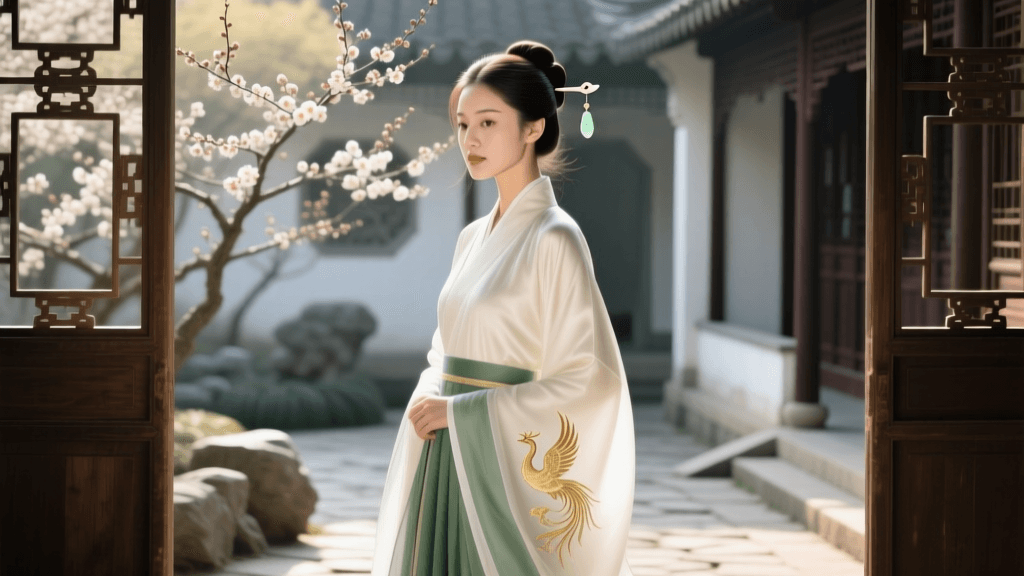
The final addition is the most magnificent. Men receive the formal Juebian (a noble cap) and wear the grand Gongzhuang or a richly embroidered Ming Dynasty-style Daofu. Women receive a lavish, jewel-encrusted Buyao (dangling hairpin) or a miniature Fengguan (phoenix crown), paired with a heavily brocaded Daxiushan (large-sleeved robe). This stage symbolizes the highest ideals of adulthood: leadership, ancestral reverence, and full participation in the cultural and spiritual life of the community.
Sourcing Ceremonial Hanfu in 2026
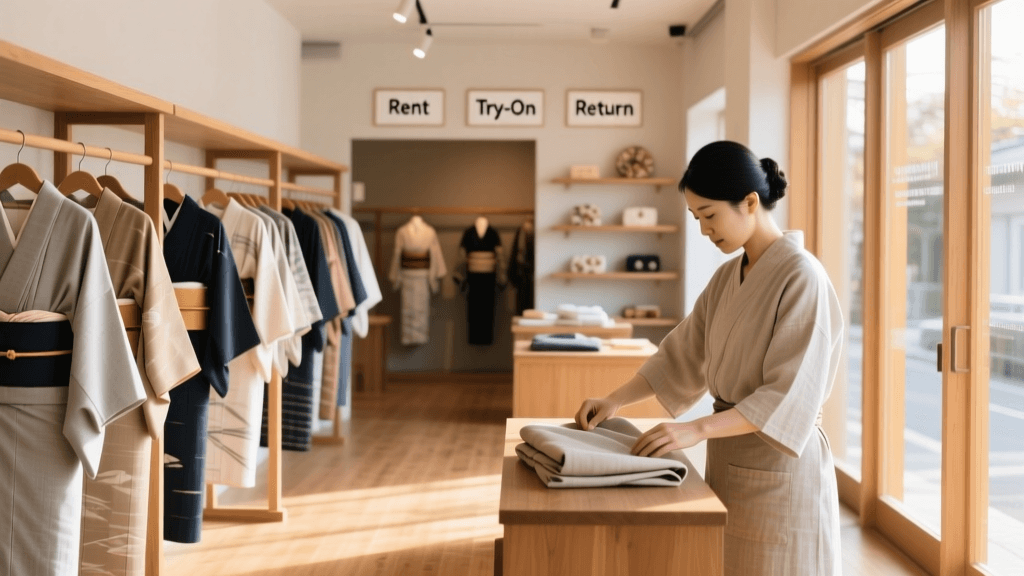
The Hanfu market in 2026 is highly sophisticated, offering everything from accessible rental boutiques to bespoke couture. When sourcing garments for a milestone ceremony, authenticity, fabric quality, and proper drape are paramount.
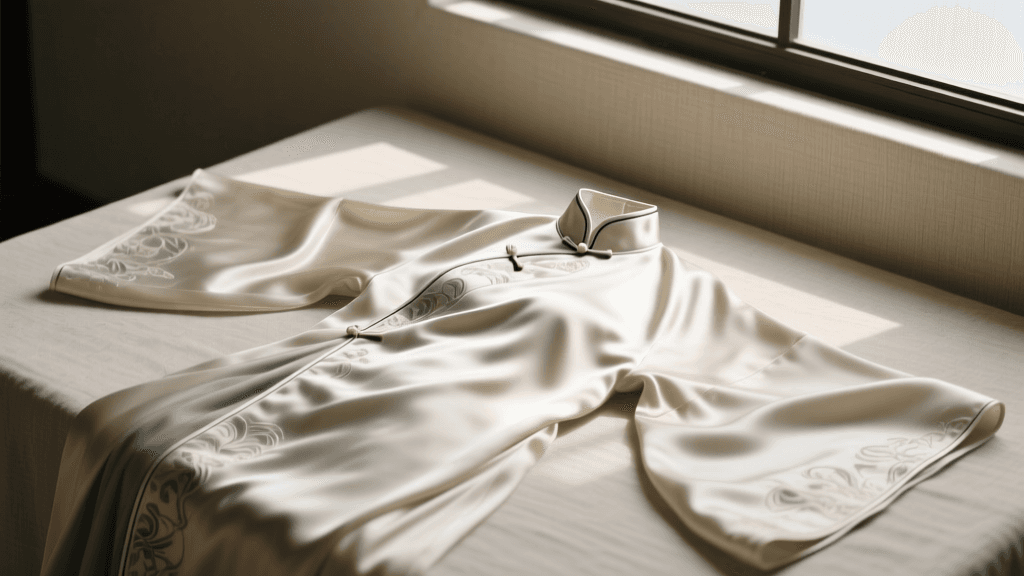
Modern buyers must pay close attention to textile composition. While synthetic blends are common in everyday streetwear Hanfu, ceremonial wear demands natural fibers. Mulberry silk, raw linen, and heavy brocade (Zhuanghua) are the standards for 2026. The drape of the fabric is critical; a heavy silk satin will fall elegantly during the slow, deliberate bows of the ceremony, whereas lighter chiffon may look insubstantial.
Furthermore, the integration of 3D body scanning technology by top-tier Hanfu ateliers in Hangzhou and Chengdu has revolutionized custom tailoring. Initiates can now undergo a digital scan via their smartphones, sending precise measurements to master tailors who cut the traditional flat-patterns to accommodate modern postures without sacrificing historical silhouette integrity. Wait times for bespoke ceremonial sets currently range from 8 to 12 weeks, necessitating early planning.
Budgeting and Planning: 2026 Cost Breakdown
Organizing a Ji Li or Guan Li requires careful financial planning. Below is a comparative table outlining the estimated costs and considerations for different approaches to sourcing and hosting the ceremony in 2026.
| Approach | Garment Sourcing | Estimated Cost (USD) | Lead Time | Best For |
|---|---|---|---|---|
| DIY / Community | Rental or Second-hand Market | $150 - $400 | 2 - 4 Weeks | Students, casual cultural clubs |
| Boutique Package | Ready-to-wear premium brands | $600 - $1,200 | 4 - 6 Weeks | Families wanting quality without custom wait |
| Bespoke Couture | Custom Atelier (Hand-woven brocade) | $2,500 - $5,000+ | 3 - 4 Months | Heirloom creation, high-budget milestone events |
Key Ceremony Roles and Personnel
Beyond the garments, the ceremony requires specific roles to be filled by respected individuals in the initiate's life.
- Zhengbin (Principal Guest): Usually a highly respected elder, mentor, or community leader who performs the actual pinning or capping and offers the primary blessing.
- Zanli (Assistant): A close friend or sibling who assists the initiate with the garment changes and guides them through the physical movements of the rite.
- Yuezheng (Music Director): In 2026, many families hire traditional Guqin or Guzheng ensembles to provide live, historically accurate background scores, elevating the solemnity of the event.
Selecting the Perfect Venue
The backdrop of a coming-of-age ceremony is just as important as the garments. In 2026, the most sought-after venues are those that offer architectural harmony with the Hanfu silhouettes.
Confucian Temples and Ancestral Halls
For families prioritizing spiritual and historical authenticity, booking a local Confucian temple or a restored ancestral hall is the gold standard. These venues often have resident scholars who can officiate the rite, ensuring the liturgy and physical movements (such as the deep Zuo bows) are executed correctly.
Botanical Gardens and Classical Pavilions
For those who prefer a connection to nature—a core tenet of traditional Chinese philosophy—classical gardens with moon gates, koi ponds, and timber pavilions provide stunning, serene environments. Spring (specifically the Hua Zhao Festival period) and Autumn remain the most popular seasons for outdoor ceremonies, offering mild weather that accommodates the multiple layers of ceremonial robes.
Modern Adaptations and the Xin Zhongshi Influence
While historical accuracy is prized by purists, the broader Xin Zhongshi movement has introduced tasteful modern adaptations to the Ji Li and Guan Li. It is increasingly common in 2026 to see initiates blend traditional ceremonial robes with subtle contemporary elements, such as minimalist leather footwear instead of traditional cloth boots, or incorporating modern floral arrangements into the altar setup.
Moreover, the documentation of these rites has evolved. Professional photography teams specializing in Hanfu now use cinematic lighting and drone technology to capture the sweeping sleeves of the Daxiushan and the intricate details of the hairpins. This not only preserves the memory but also serves to educate and inspire peers on social media platforms, further fueling the cultural renaissance.
Final Thoughts on Embracing Adulthood
The Ji Li and Guan Li are far more than elaborate dress-up occasions; they are profound psychological and cultural anchors. In an era defined by rapid digital change, taking a day to stand in the garments of one's ancestors, listen to the wisdom of elders, and formally accept the mantle of adulthood offers a rare and invaluable sense of grounding. As we navigate 2026, these beautiful, enduring rites remind us that while the world moves forward, the roots that sustain us remain deep and unbreakable.