Best Japanese Fashion Magazines for Traditional Wafuku 2026
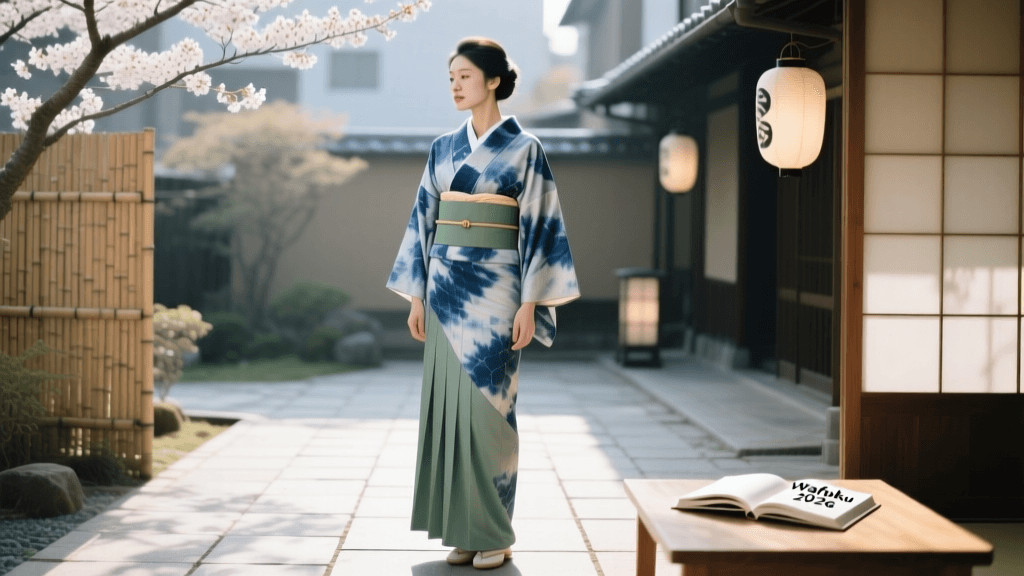
The Digital Renaissance of Wafuku Journalism in 2026
As we navigate the vibrant cultural landscape of 2026, the intersection of traditional Japanese garments and modern digital media has never been more dynamic. For decades, the documentation of wafuku (traditional Japanese clothing, including kimono, yukata, and haori) was strictly confined to glossy print magazines and niche academic journals. Today, Japanese fashion journalism has undergone a massive digital renaissance. Independent bloggers, digital-first magazines, and specialized newsletters are leading the charge in preserving, analyzing, and reinventing traditional Asian garments for a global audience.
Whether you are a seasoned collector of vintage houmongi (visiting kimonos), a student of kitsuke (the art of kimono dressing), or a fashion historian researching regional textile techniques like Kaga Yuzen or Oshima Tsumugi, the digital press is your most valuable resource. In this comprehensive guide, we explore the most influential Japanese fashion blogs and online magazines covering traditional garments in 2026, offering actionable insights on how to leverage these platforms for your own wardrobe and research.
The Evolution of Traditional Garment Media
Historically, publications like So-en and Utsukushii Kimono served as the undisputed bibles of Japanese traditional fashion. However, the media consumption shifts of the mid-2020s forced a pivotal evolution. By 2026, legacy publishers have fully embraced digital subscriptions, interactive lookbooks, and video tutorials. Simultaneously, a new wave of independent fashion journalists has emerged, utilizing platforms like Substack, Instagram-integrated digital zines, and specialized web portals to cover the nuances of sustainable fashion, vintage kimono recycling (reuse kimono), and the meticulous craftsmanship of artisan weavers.
This democratization of fashion journalism means that enthusiasts no longer need to rely solely on Tokyo-based print conglomerates. Regional voices from Kyoto, Kanazawa, and Okinawa are now publishing high-quality digital editorials that highlight local dyeing traditions and seasonal styling rules (kisetsukan). According to the Victoria and Albert Museum's comprehensive archive on kimono history, the global fascination with the structural and aesthetic complexity of the kimono continues to drive demand for accessible, high-quality journalism that bridges the gap between historical context and contemporary styling.
Top Online Magazines and Blogs for Wafuku in 2026
1. Utsukushii Kimono (Digital Edition)
The digital arm of Japan's most prestigious kimono magazine remains the gold standard for high-end wafuku journalism. In 2026, their online portal offers exclusive digital editorials that do not appear in the print edition. Their coverage spans the latest collections from heritage brands like Chiso and Kawakatsu, alongside deep-dive interviews with Living National Treasures in the textile arts. For the serious enthusiast, their digital archive is an unparalleled resource for understanding the evolution of formal kimono motifs and the correct pairing of obi sashes with specific garment ranks.
2. Kimono Walk & Street Style Zine
For those who view traditional garments through the lens of modern street fashion, Kimono Walk is an essential digital zine. Operating primarily as a visual blog with accompanying micro-essays, this publication documents how young Japanese creatives in Harajuku, Daikanyama, and Kyoto are styling vintage kimonos with contemporary accessories. Their 2026 spring series focuses heavily on the deconstruction of traditional haori jackets and the integration of denim and leather obi belts, providing a masterclass in how to wear traditional garments without looking anachronistic.
3. The Artisan’s Thread (Independent Newsletter)
Launched by a collective of textile historians and fashion journalists, this Substack-style newsletter is the premier English-and-Japanese bilingual publication focusing on the supply chain and craftsmanship of traditional Asian garments. In 2026, their investigative pieces on the ethical sourcing of silk, the preservation of natural indigo (ai-zome) dyeing vats in Tokushima, and the economic realities of Nishijin weavers are vital reading. They provide a critical, analytical perspective that mainstream fashion magazines often overlook.
4. Wafuku Daily Portal
Functioning as the 'Vogue Business' of traditional Japanese clothing, Wafuku Daily covers the industry side of the garment trade. From auction house results for antique Meiji-era garments to the latest retail trends in the bustling secondhand kimono markets of Kyoto, this online magazine is indispensable for collectors and investors. Their monthly 'Market Watch' column provides accurate pricing data on vintage textiles, helping readers avoid overpaying for mass-produced modern replicas disguised as antique shibori.
Comparative Analysis: Where to Read What
To help you navigate the diverse landscape of Japanese fashion journalism, we have compiled a comparison chart of the top digital publications active in 2026.
| Publication Name | Primary Focus | Format | Language | 2026 Cost |
|---|---|---|---|---|
| Utsukushii Kimono Digital | High fashion, formal styling, heritage brands | Web Portal & Digital Magazine | Japanese | ¥1,200/month |
| Kimono Walk Zine | Street style, vintage styling, youth culture | Visual Blog & IG Zine | Japanese / English | Free / Patreon |
| The Artisan’s Thread | Textile history, natural dyeing, craftsmanship | Newsletter / Long-form | English / Japanese | $8/month |
| Wafuku Daily | Market trends, vintage pricing, industry news | News Portal | Japanese | Free (Ads) |
Actionable Advice: Applying Journalistic Insights to Your Wardrobe
Reading about traditional garments is only the first step; applying the insights gleaned from these top-tier blogs and magazines to your personal wardrobe is where the true value lies. Here is how you can leverage Japanese fashion journalism in 2026 to elevate your understanding and styling of wafuku.
Mastering Seasonal Motifs (Kisetsukan)
One of the most complex aspects of wearing a kimono is adhering to kisetsukan, the strict seasonal rules governing motifs and textiles. Digital magazines like Utsukushii Kimono publish monthly motif guides. For instance, plum blossoms (ume) are worn in late winter before the flowers actually bloom, while maple leaves (momiji) are introduced in early autumn. By subscribing to these digital editorials, you can build a calendar of motifs, ensuring your vintage purchases align with the correct seasonal windows. The Metropolitan Museum of Art's Heilbrunn Timeline of Art History provides excellent foundational context on how these nature motifs evolved from the Heian period into modern textile design.
Navigating the Vintage and Secondhand Market
The reuse kimono market is booming in 2026, driven by global sustainability trends and a desire for accessible pricing. However, identifying authentic hand-painted yuzen versus stenciled komon requires a trained eye. Blogs like Wafuku Daily frequently publish 'Authentication Guides' featuring high-resolution macro photography of textile weaves and dye penetrations. Before bidding on online auctions or visiting physical markets in Kyoto, consult these digital archives to familiarize yourself with the hallmarks of regional weaving techniques, such as the distinct slubbed texture of authentic Tsumugi silk.
Learning Modern Kitsuke (Dressing) Techniques
Traditional kitsuke can be rigid, but modern fashion journalism highlights innovative, comfortable ways to wear traditional garments without compromising elegance. Independent bloggers frequently share tutorials on using modern obi-itamae (sash stiffeners) and ergonomic koshi-himo (tying cords) that reduce the physical strain of wearing heavy formal garments. Furthermore, digital zines often showcase 'fusion' styling, such as pairing a casual cotton yukata with modern leather footwear or utilizing a hanhaba obi (half-width sash) in unconventional, avant-garde knots that appeal to younger demographics.
Preserving Intangible Cultural Heritage Through Media
Beyond styling and commerce, Japanese fashion journalism plays a critical role in preserving intangible cultural heritage. As the number of master artisans capable of executing complex techniques like kanoko shibori (fawn-spot tie-dyeing) or saga nishiki (brocade weaving) dwindles, digital publications serve as living archives. The Japan National Tourism Organization's guide to traditional crafts frequently collaborates with independent journalists to map out artisan workshops, encouraging cultural tourism that financially supports these aging masters.
In 2026, we are also seeing a rise in multimedia journalism. Podcasts featuring the rhythmic sounds of the wooden handloom, and video essays detailing the months-long process of creating a single fukuro obi (formal sash), are bringing the visceral reality of textile production to a global audience. This transparency fosters a deeper appreciation for the true cost and value of handmade traditional garments, pushing back against the tide of fast-fashion imitations.
Conclusion
The landscape of Japanese fashion journalism surrounding traditional wafuku is richer, more accessible, and more diverse in 2026 than ever before. Whether you are relying on the authoritative digital archives of legacy magazines, the street-style inspiration of indie zines, or the deep-dive textile analysis of independent newsletters, there is a publication tailored to your specific interest in Asian traditions. By actively engaging with these online magazines and blogs, you not only refine your personal style and collecting acumen but also participate in the vital, ongoing conversation that keeps these magnificent traditional garments relevant in the modern world.