Kimono Family Ceremonies 2026: Birth, Age & Memorials
The Enduring Role of Kimono in Japanese Family Milestones
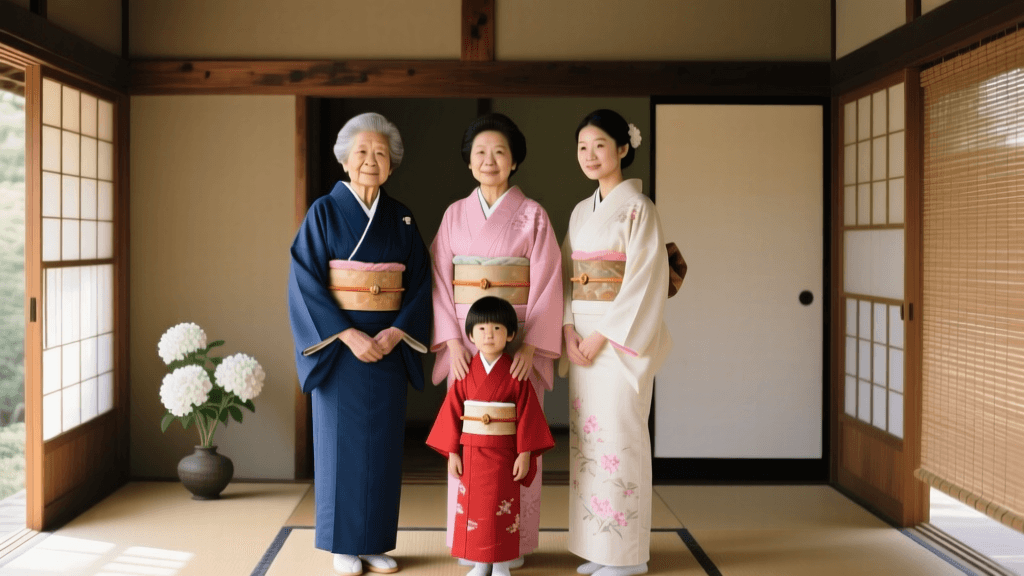
In Japan, the kimono is far more than a traditional garment; it is a profound cultural vessel that marks the most significant transitions in a family’s life. As we navigate 2026, the intersection of ancient customs and modern lifestyles has created a fascinating landscape for ceremonial dress. While the core symbolism of these garments remains untouched, the way families acquire, wear, and maintain them has evolved. From the joyous first shrine visit of a newborn to the solemn remembrance of ancestors, understanding the nuances of ceremonial kimono is essential for anyone participating in Japanese family life today.
According to the Agency for Cultural Affairs, Government of Japan, ongoing initiatives to preserve traditional silk weaving and dyeing techniques have ensured that authentic, high-quality kimono remain accessible, even as sustainable and upcycled options surge in popularity among younger generations in 2026. This guide explores the specific garments, etiquette, and modern practicalities for three major family ceremonies: birth, coming-of-age, and memorials.
Omiyamairi: The First Shrine Visit (Birth Ceremony)
Omiyamairi is the traditional shrine visit that takes place approximately one month after a baby is born. It is a moment of gratitude and a prayer for the child’s health and longevity. The sartorial centerpiece of this event is the baby’s attire, which carries deep protective symbolism.
The Ubugi and Miyamairi Kimono
The infant is first dressed in a white ubugi (a soft, undyed cotton or silk undergarment), symbolizing purity and a blank slate for the life ahead. Over this, the baby is draped in a miyamairi kimono. Historically, boys were wrapped in black or dark blue silk featuring bold, auspicious motifs like hawks or samurai helmets, while girls were wrapped in vibrant reds or pinks adorned with flowers. However, 2026 trends show a distinct shift toward gender-neutral pastels, soft yellows, and mint greens, reflecting modern parenting sensibilities.
Because a miyamairi kimono is typically worn only once, the rental market (kashigi) is highly active. In 2026, premium rental packages (ranging from ¥15,000 to ¥30,000) often include the baby’s kimono, a matching den-den daiko (traditional pellet drum) attached to the sash, and a protective amulet from the shrine. Mothers and grandmothers usually wear subdued homongi (visiting kimono) or elegant tsukesage, ensuring they look polished but do not outshine the newborn.
Seijin-shiki: The Coming-of-Age Ceremony
Held annually in January, Seijin-shiki celebrates young adults reaching the age of majority. Following the legal shift that lowered Japan's age of adulthood to 18, the 2026 ceremonies are now fully adapted to this demographic reality. Because 18-year-olds are often in the throes of university entrance examinations or starting their first jobs, the logistics of the ceremony have become highly streamlined.
Furisode and Montsuki Hakama in 2026
For young women, the undisputed garment of the day is the furisode, characterized by its dramatically long, swinging sleeves. The length of the sleeve denotes formality, with the ō-furisode (over 114cm) being the most formal. In 2026, vintage and upcycled furisode are incredibly popular, with young adults pairing classic Taisho-era silks with modern, oversized velvet obi sashes and contemporary hair ornaments. Data on societal shifts and youth culture from the Nippon Communications Foundation highlights that Gen Z participants are prioritizing individual expression and sustainability over brand-new, mass-produced rental garments.
For young men, the traditional choice is the montsuki hakama—a black kimono bearing the family’s five crests (kamon), paired with pleated hakama trousers. While Western suits have been common in recent decades, 2026 has seen a massive resurgence in traditional menswear, driven by pop culture and a renewed interest in artisanal weaving. Many young men are now opting for deep navy or charcoal grey montsuki with subtle, tonal patterns rather than stark black.
Hōji and Obon: Honoring Ancestors and Memorials
Memorial services (hōji) and the mid-summer Obon festival require a completely different sartorial approach, rooted in respect, humility, and mourning. The rules of mourning attire (mofuku) are strictly codified, though practical adaptations are necessary for modern climates.
Mofuku and Iromuji Etiquette
For the funeral and the earliest memorial services (such as the 49th day), immediate family members wear full mofuku. This is a plain, matte black silk kimono featuring five family crests, paired with a black obi and black accessories. The matte texture is crucial, as shiny fabrics are considered inappropriate for deep mourning.
As time passes, the mourning lightens. For the 1st, 3rd, 7th, and 13th-year anniversaries, attendees transition to iromuji—solid-colored kimono in subdued shades like navy, charcoal, deep purple, or muted green. These garments typically feature one to three family crests. During the summer Obon season, when temperatures in Japan frequently exceed 35°C (95°F), wearing layered silk is physically taxing. In 2026, the market for summer mourning wear has expanded to include ro and sha (sheer, woven summer silks) dyed in deep, respectful tones, paired with moisture-wicking, cool-touch synthetic nagajuban (undergarments) to prevent heatstroke while maintaining strict etiquette.
2026 Kimono Ceremony Cost and Preparation Guide
Navigating the financial and logistical aspects of ceremonial kimono can be daunting. Below is a comparison of average costs and preparation times for families in 2026. For shrine visit etiquette and regional variations, families often consult resources provided by the Japan National Tourism Organization and local parish offices.
| Ceremony | Garment Type | Avg. Rental Cost (2026) | Avg. Purchase Cost (2026) | Prep Time Required |
|---|---|---|---|---|
| Omiyamairi (Birth) | Miyamairi Kimono | ¥15,000 - ¥30,000 | ¥80,000 - ¥250,000 | 1-2 weeks (Rental) |
| Seijin-shiki (Age 18) | Furisode / Montsuki | ¥50,000 - ¥120,000 | ¥300,000 - ¥800,000+ | 6-12 months (Booking) |
| Hōji (Memorial) | Mofuku / Iromuji | ¥20,000 - ¥40,000 | ¥150,000 - ¥400,000 | 2-4 weeks (Sizing) |
| Obon (Summer) | Summer Ro/Sha Kimono | ¥15,000 - ¥25,000 | ¥100,000 - ¥300,000 | 1-2 months (Tailoring) |
Auspicious Motifs for Celebratory Ceremonies
When selecting or renting a kimono for birth and coming-of-age ceremonies, the motifs woven or dyed into the fabric carry specific blessings:
- Tsuru (Crane): Symbolizes longevity and good fortune. A staple for furisode and high-end miyamairi garments.
- Shōchikubai (Pine, Bamboo, Plum): The ultimate celebratory trio. Pine represents endurance, bamboo signifies flexibility and resilience, and plum stands for perseverance through hardship (blooming in winter).
- Botan (Peony): Known as the 'King of Flowers,' it represents wealth, honor, and a prosperous future, frequently seen on young women's coming-of-age kimono.
- Gosho Guruma (Imperial Carriage): A classic Heian-era motif denoting high status and elegance, often used in formal family celebrations.
Modern Innovations and Practical Tips for 2026
The kimono industry in 2026 has embraced technology to make wearing traditional garments more accessible. AI-driven virtual fitting rooms are now standard on major rental websites, allowing users to upload their photos and see how different furisode patterns and obi combinations will look before booking. Furthermore, the rise of 'smart kimono'—garments treated with nano-coatings to repel water and resist wrinkling—has been a game-changer for outdoor shrine visits and summer memorials.
Etiquette Tip for 2026: When attending a memorial service, always ensure your obi knot is tied in a subdued, flat style like the fukura-suzume or a simple niju-daiko. Avoid any accessories with animal leather or shiny metals, and ensure your family crests (kamon) are impeccably clean and properly aligned.
For families planning ahead, timing is everything. Because Seijin-shiki occurs nationwide on the same January holiday, top-tier dressing salons and photographers book out up to a year in advance. Many families in 2026 are opting for 'pre-ceremony' photo shoots in November or December, allowing the young adults to wear their furisode without the freezing January weather or the stress of exam season.
Conclusion
Whether wrapping a newborn in the protective silk of a miyamairi kimono, watching an 18-year-old step into adulthood in a sweeping furisode, or quietly honoring ancestors in subdued iromuji, the kimono remains the emotional and cultural thread that binds Japanese families across generations. By understanding the etiquette, embracing modern conveniences, and respecting the deep symbolism of these garments, families can ensure their milestones are celebrated with both beauty and profound meaning in 2026 and beyond.