Kanchipuram vs Banarasi Silk Sari Fabrics: 2026 Buyer Guide
The Enduring Legacy of Indian Heritage Silks in 2026
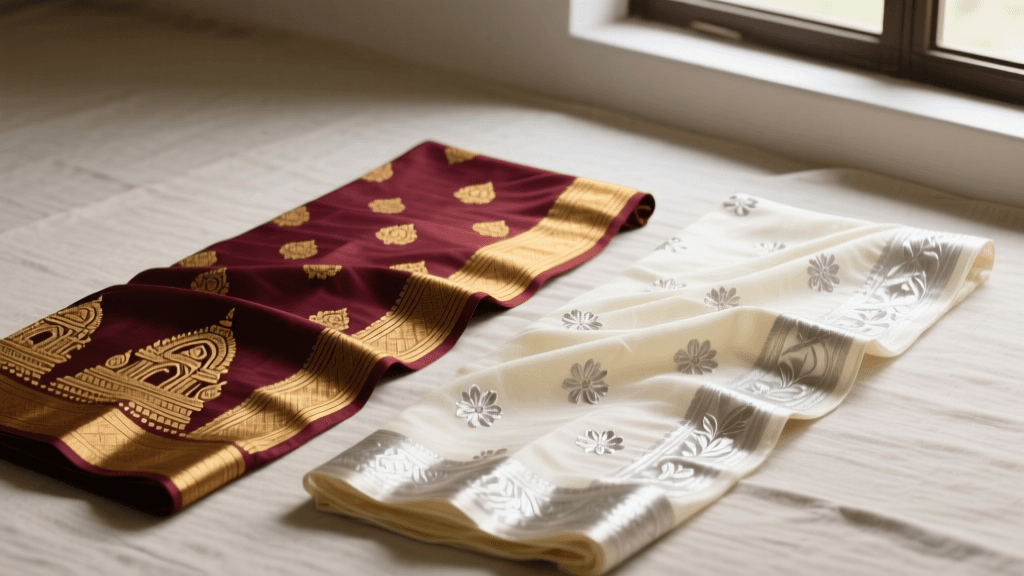
In the vibrant landscape of Asian traditional garments, few textiles command as much reverence, historical weight, and market value as the heritage silks of India. As we navigate the 2026 bridal and festive seasons, the debate between Kanchipuram (Kanjeevaram) and Banarasi silks remains at the forefront of South Asian fashion. Both fabrics represent centuries of ancestral weaving techniques, yet they offer vastly different drapes, weights, and aesthetic profiles. For modern consumers, textile collectors, and fashion historians, understanding the nuanced differences between these two powerhouse fabrics is essential. This comprehensive guide breaks down the technical specifications, 2026 market pricing, authentication methods, and care protocols for Kanchipuram and Banarasi silks, ensuring your next garment investment is both authentic and culturally significant.
Kanchipuram Silk: The Heavyweight Champion of the South
Originating from the temple town of Kanchipuram in Tamil Nadu, Kanchipuram silk is renowned for its durability, rich texture, and striking color contrasts. The fabric is woven from pure mulberry silk, which is native to South India, while the metallic zari (thread) is traditionally sourced from Surat or specialized cooperatives. In 2026, the hallmark of a genuine Kanchipuram sari remains its weight and the unique interlocking weaving technique.
Technical Weave and Construction
The defining characteristic of Kanchipuram silk is the Korvai technique, where the border is woven separately and interlocked with the main body of the sari. This creates a remarkably strong joint that will not unravel even if the sari tears. The pallu (the decorative end piece) is attached using the Petni technique, resulting in a visible but structurally sound zig-zag line where the body and pallu meet. In 2026, master weavers are increasingly utilizing 3-ply silk threads for the warp and 4-ply for the weft, resulting in a fabric that is virtually indestructible and capable of being passed down through multiple generations as a family heirloom.
2026 Trends and Innovations
While traditional heavy Kanchipuram silks remain popular for primary wedding ceremonies, 2026 has seen a massive surge in demand for 'lightweight Kanchipuram' variants. Weavers are now utilizing 2-ply silk to create garments that retain the signature luster and zari work but offer a more breathable drape for destination weddings in tropical climates. Furthermore, the integration of tested zari (silver electroplated with pure gold) has become highly regulated, with cooperatives adopting digital ledgers to guarantee the purity of the metallic threads used in high-end pieces.
Banarasi Silk: The Opulent Brocades of the North
Hailing from the ancient city of Varanasi (Banaras) in Uttar Pradesh, Banarasi silk is synonymous with Mughal-inspired opulence, intricate brocades, and a softer, more fluid drape. Unlike the color-blocked contrasts of Kanchipuram, Banarasi textiles are celebrated for their all-over motifs, including kalga (mango/paisley), bel (creeper vines), and intricate jaal (net) patterns.
Technical Weave and Construction
Banarasi weaving relies heavily on the Kadwa technique, a labor-intensive extra-weft method where each motif is woven individually. This ensures that the design stands out sharply on the reverse side without loose threads, making the fabric reversible and exceptionally durable. The primary silk used is Katan, a plain-woven fabric made from twisted silk threads that give it a firm, slightly textured finish. In 2026, artisans are also seeing a renaissance in Tanchoi weaves, which use multiple silk threads of different colors to create a satin-like finish without the heavy reliance on metallic zari, appealing to minimalist bridal aesthetics.
2026 Trends and Innovations
The 2026 Banarasi market is heavily focused on sustainability and comfort. Traditional heavy Katan is being supplemented by Banarasi Organza (Kora) with resham (silk thread) work, offering a gossamer-like appearance ideal for summer receptions. Additionally, the adoption of eco-friendly, non-toxic metallic yarns has become a major selling point, as modern consumers demand sustainable luxury that does not compromise on the iconic Banarasi shine.
2026 Fabric Comparison: Kanchipuram vs. Banarasi
To help you make an informed decision for your 2026 wardrobe or textile collection, we have compiled a direct comparison of the two fabrics based on current market data and weaving standards.
| Feature | Kanchipuram Silk | Banarasi Silk (Katan) |
|---|---|---|
| Origin Region | Tamil Nadu (South India) | Uttar Pradesh (North India) |
| Primary Silk Type | Pure Mulberry Silk | Katan (Twisted Silk Threads) |
| Signature Technique | Korvai (Interlocking borders) | Kadwa (Extra-weft brocade) |
| Zari Composition | High gold/silver content, heavy | Often copper/silver base, intricate |
| Drape and Weight | Stiff, heavy, structured drape | Fluid, medium-weight, soft drape |
| Ideal Climate | Cooler months, air-conditioned venues | Versatile, suitable for varied climates |
| 2026 Price Range (USD) | $300 - $2,500+ (Pure Zari) | $215 - $1,200+ (Handloom) |
Authentication: Navigating the 2026 Textile Market
With the rise of power-loom replicas and synthetic blends flooding the global market, authenticating your silk purchase in 2026 requires a keen eye and knowledge of government-backed certifications. The Silk Mark Organisation of India remains the ultimate authority for verifying pure silk. When shopping, always look for the holographic Silk Mark tag, which includes a unique QR code that can be scanned to verify the exact weaver cooperative and testing batch.
The Burn Test and Tactile Verification
If you are sourcing vintage pieces or buying from independent markets where tags may be missing, the burn test is a reliable, albeit destructive, method. Plucking a few threads from the fringe and burning them will yield distinct results: pure silk burns slowly, smells like burnt hair, and leaves a crushable, powdery black ash. Synthetic blends like polyester will melt, smell like sweet plastic, and form a hard, uncrushable bead. Additionally, pure Kanchipuram and Banarasi silks possess a unique thermal property; they feel cool to the touch in warm weather and warm in cold weather, a characteristic that synthetic rayon or art silk cannot replicate.
Geographical Indications (GI) Protection
Both Kanchipuram and Banarasi silks are protected under Geographical Indications (GI) tags. According to the WIPO Lex Geographical Indications Database, only textiles woven within specific geographic clusters using traditional methods can legally bear these names. In 2026, enforcement has tightened, with e-commerce platforms required to display the GI certification number in the product metadata for high-value textile listings.
Sustainable and Ethical Sourcing in 2026
The modern consumer is not just buying a garment; they are investing in a supply chain. Ethical sourcing has become a paramount concern in the Asian traditional garment sector. The National Handloom Development Programme has been instrumental in 2026 in connecting global buyers directly with weaver cooperatives, bypassing exploitative middlemen. When purchasing, look for the 'Handloom Mark' alongside the Silk Mark. This dual certification ensures that the fabric was woven on a manual loom, preserving the livelihoods of artisan communities and guaranteeing that your textile is free from the carbon footprint associated with industrial power-looms.
Garment Care: Preserving Your Silk Investment
Heritage silks are organic proteins that require meticulous care to maintain their structural integrity and luster over decades. The way you store and clean your Kanchipuram or Banarasi sari in 2026 will dictate its lifespan.
- Cleaning Protocols: Avoid frequent dry cleaning, as the harsh chemicals can strip the silk of its natural sericin coating, leading to brittleness. For minor stains, spot clean using cold water and a few drops of pH-neutral shampoo or traditional reetha (soapnut) extract. For full cleaning, seek out specialized heritage textile cleaners who use liquid silicone-based solvents rather than perc.
- Storage Solutions: Never store silk in plastic bags, as this traps moisture and promotes fungal growth. Wrap your garments in unbleached, pure cotton muslin cloth. Refold the sari every three to four months to prevent permanent crease lines and fiber breakage along the folds.
- Pest Management: Traditional naphthalene balls are highly discouraged in 2026, as their chemical vapors can react with metallic zari, causing it to tarnish and turn black. Instead, use natural alternatives like cedarwood blocks, dried neem leaves, or lavender sachets placed in the corners of your wardrobe.
- Ironing Techniques: Always iron on a low-to-medium heat setting with a cotton cloth placed between the iron and the silk. For heavy Banarasi brocades, iron on the reverse side to avoid flattening the raised Kadwa motifs.
Conclusion: Choosing Your Heritage Textile
Whether you are drawn to the architectural, color-blocked brilliance of Kanchipuram silk or the fluid, intricately brocaded romance of Banarasi weaving, both textiles represent the pinnacle of Asian sartorial heritage. By understanding the technical nuances, verifying authenticity through government marks, and adhering to modern preservation techniques, you ensure that your 2026 textile acquisition is not merely a purchase, but the beginning of a multi-generational legacy. As the global appreciation for slow fashion and traditional craftsmanship continues to grow, these heritage silks remain a timeless, invaluable addition to any cultural wardrobe.