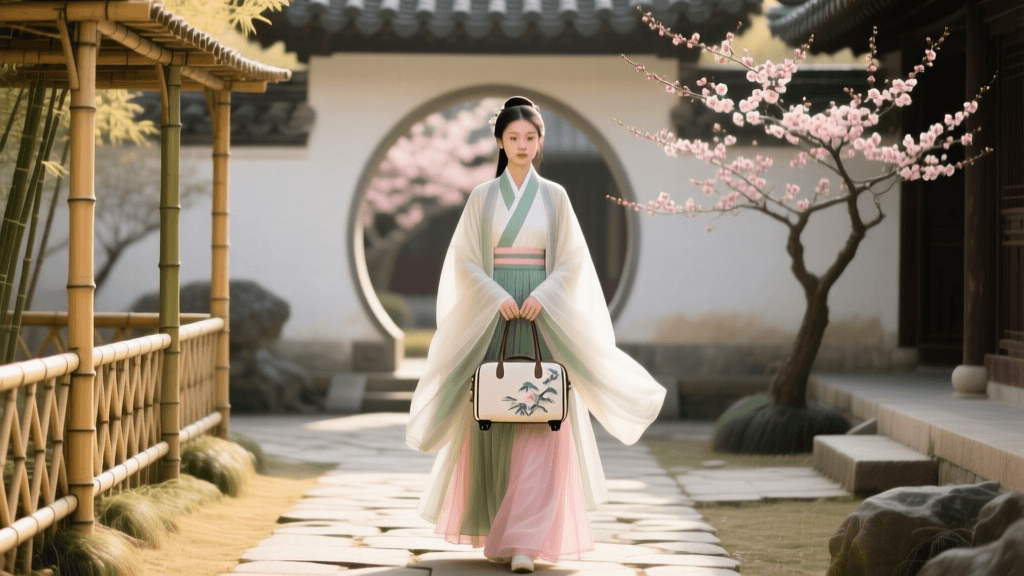
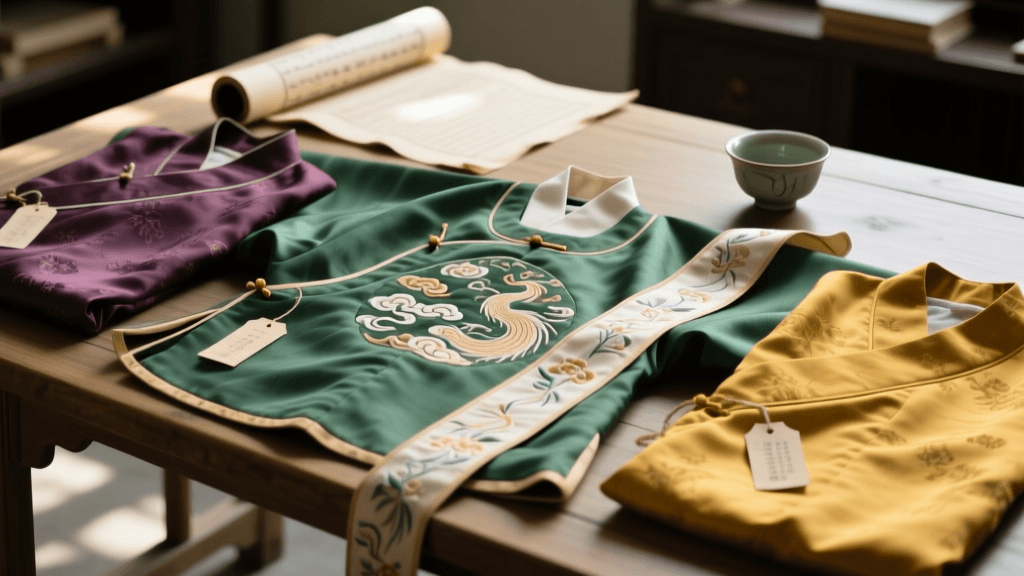
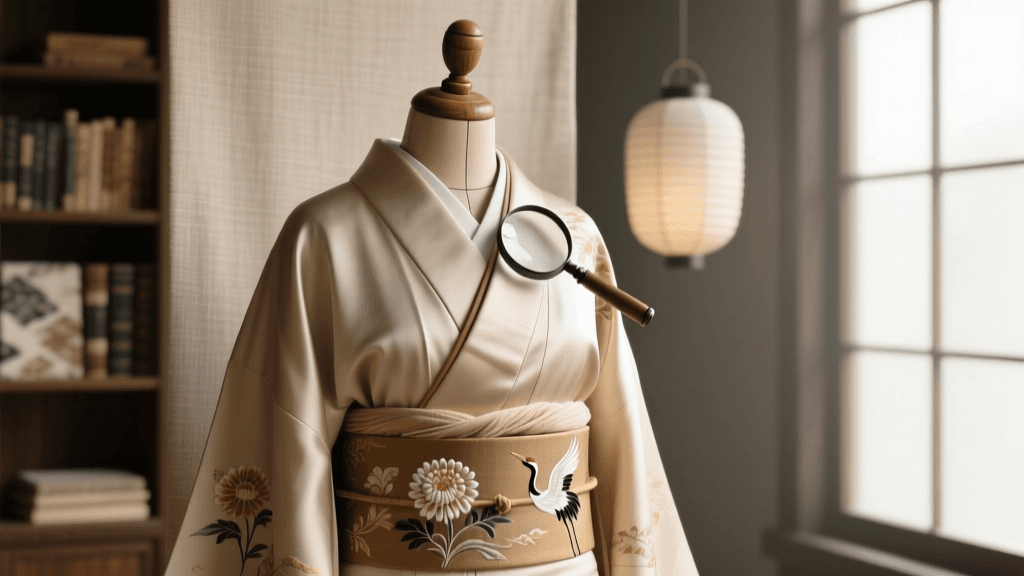
Yukata vs Jinbei: 2026 Japanese Summer Fashion Guide
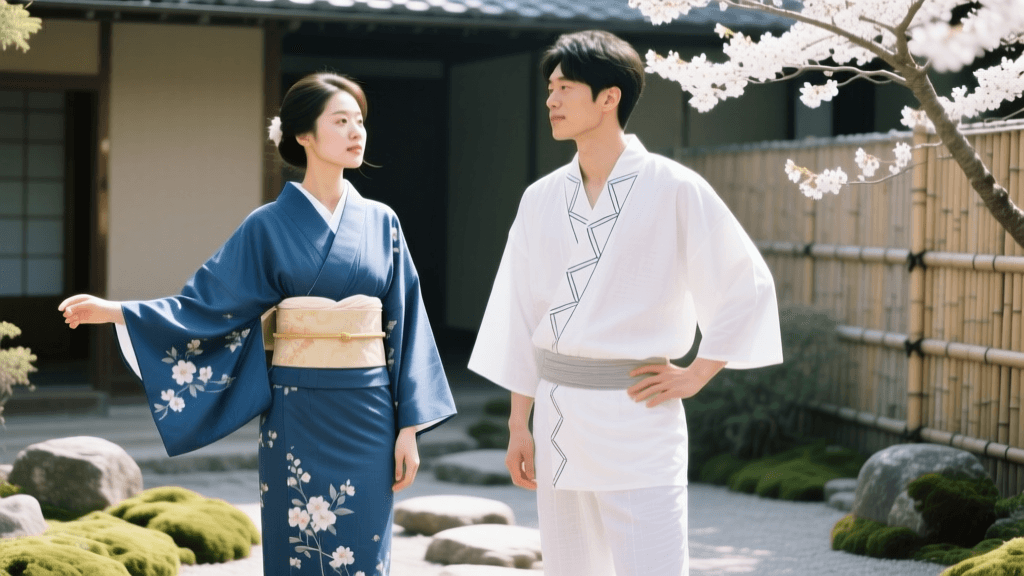
The Essence of Japanese Summer Casual Wear
As the heavy humidity of the tsuyu (rainy season) gives way to the vibrant, cicada-filled days of mid-summer, Japan transitions into its most festive time of year. For locals and travelers alike, navigating the sweltering heat while maintaining a sense of cultural style requires the right wardrobe. In 2026, the conversation around traditional Japanese summer clothing centers on two iconic garments: the elegant, sweeping yukata and the relaxed, practical jinbei. While both are deeply rooted in Japanese history and designed specifically to combat high humidity, they serve vastly different purposes in the modern wardrobe. Whether you are planning to attend a dazzling hanabi (fireworks) festival, strolling through a historic onsen town, or simply lounging at a ryokan, understanding the nuances between these two garments is essential for any enthusiast of Asian traditions.
Yukata: The Festival Staple
The yukata is a lightweight, unlined cotton kimono that traces its origins back to the Heian period. Originally known as the 'yu-katabira,' it was a hemp bathrobe worn by nobility to absorb moisture after bathing. By the Edo period, as cotton cultivation became widespread and public bathhouses (sento) flourished, the yukata evolved into the everyday casual wear of the common people. Today, it is the undisputed sartorial champion of summer matsuri (festivals) and fireworks displays.
In 2026, the yukata has seen a massive resurgence driven by sustainable textile initiatives and digital dyeing technologies that drastically reduce water waste. Modern weavers are blending traditional Chugoku cotton with recycled fibers, creating breathable fabrics that drape beautifully while aligning with contemporary eco-conscious values. The structure of a yukata requires a wrap-around silhouette, secured at the waist by an obi (sash). For women, the styling often features vibrant, nature-inspired prints and elegant bunko (bow) knots, while men typically opt for subdued, geometric patterns and a streamlined koma (box) knot. According to the Victoria and Albert Museum's Asian Collections, the evolution of the kimono and its casual counterparts like the yukata represents a fascinating intersection of utilitarian design and high art, a legacy that continues to influence global fashion runways today.
Jinbei: The Ultimate Loungewear
If the yukata is the glamorous showstopper of summer, the jinbei is its laid-back, pragmatic sibling. The jinbei is a two-piece garment consisting of a short-sleeved, wrap-style top and matching shorts. Historically, it was worn by samurai and commoners alike as indoor loungewear or a light work garment during the Edo period. The defining feature of the jinbei top is the 'machi'—side slits that allow for maximum airflow and ease of movement, while the shorts are secured with a simple drawstring.
The fabric of choice for high-quality jinbei in 2026 is 'shijira-ori,' a traditional seersucker-like weaving technique from Tokushima. This crinkled cotton texture prevents the fabric from clinging to the skin, making it an absolute necessity during Japan's notoriously muggy August days. Furthermore, the 2026 summer season has fully embraced gender-neutral and genderless fashion cuts in jinbei design. Brands are increasingly offering relaxed, boxy silhouettes that appeal to all genders, moving away from the strictly masculine associations of the past. The Japan Foundation Cultural Archives frequently highlights how traditional Japanese workwear and loungewear have seamlessly integrated into modern global streetwear, proving that comfort and heritage can coexist perfectly.
Head-to-Head Comparison (2026 Data)
To help you decide which garment to pack or purchase for your summer adventures, here is a detailed breakdown of how the yukata and jinbei compare across several key metrics in 2026.
| Feature | Yukata | Jinbei |
|---|---|---|
| Garment Type | One-piece wrap robe | Two-piece top and shorts |
| Formality Level | Smart-casual / Festival-ready | Ultra-casual / Loungewear |
| Primary Occasions | Matsuri, Hanabi, Ryokan strolls | Home, Neighborhood, Local Sento |
| Core Components | Robe, Obi, Koshihimo (ties) | Top, Shorts, Drawstring |
| Ease of Dressing | Moderate (requires tying techniques) | Very Easy (slip-on and tie) |
| Avg. 2026 Price (JPY) | 4,000 - 15,000+ | 2,500 - 8,000 |
| Footwear Pairing | Geta, Zori, or Minimalist Sneakers | Barefoot, Sandals, Canvas Slip-ons |
Occasion Guide: Where to Wear What
Hanabi Taikai (Fireworks Festivals) and Matsuri
When attending major summer events like the Sumidagawa Fireworks Festival or the Gion Matsuri, the yukata is the gold standard. The sweeping hem, the rustle of the cotton, and the intricate obi knots are deeply tied to the romanticism of the Japanese summer night. In 2026, it is also highly fashionable to accessorize yukata with modern elements, such as clear PVC obi belts, vintage glass hairpins, and sleek, minimalist sneakers instead of traditional wooden geta, which can be taxing on the feet during long walks. However, if you are attending a very small, neighborhood-level shrine festival where you will be sitting on the ground, eating street food, and navigating dense crowds, a stylish jinbei is entirely acceptable and often much more practical.
Ryokan Stays and Onsen Towns
When checking into a traditional Japanese inn (ryokan), you will typically be provided with both garments. The jinbei (or a heavier, long-sleeved version called samue in cooler months) is intended for sleeping, meditating, and relaxing on the tatami mats of your private room. The yukata, on the other hand, is your 'town wear.' It is perfectly acceptable to wear the ryokan's provided yukata while walking around the onsen town, visiting the communal baths, or dining in the inn's restaurant. Wearing a jinbei to the ryokan's formal dining room is generally considered too casual and is discouraged.
Casual Neighborhood Strolls and Convenience Store Runs
The jinbei is the Japanese equivalent of a stylish tracksuit or high-end loungewear. It is the go-to outfit for watering the garden, taking the dog for a walk, or popping down to the local konbini (convenience store) for a cold barley tea and onigiri. Wearing a full yukata for these mundane tasks would be viewed as highly unusual and overly formal. The Japan National Tourism Organization (JNTO) often advises travelers that while traditional dress is celebrated at tourist sites and festivals, everyday neighborhood life in Japan leans heavily toward practical, unpretentious comfort, making the jinbei a beloved local staple.
Sizing, Fit, and Modern Styling in 2026
One of the most significant shifts in 2026 is the approach to sizing and fit. Traditional yukata are sold in standard lengths based on height, with the excess fabric folded and hidden beneath the obi. This 'ohashori' fold is crucial for proper fit and allows the garment to be passed down through generations. Jinbei, however, are sized more like Western clothing (S, M, L, XL), making them significantly easier for international visitors to purchase online or in department stores without needing professional fitting assistance.
For those looking to blend tradition with contemporary 2026 streetwear, styling is key. Men are increasingly pairing dark, indigo-dyed jinbei with structured linen overshirts and woven leather sandals, creating a sophisticated resort-wear look that transitions well from a beachside cafe to an evening stroll. Women are styling high-waisted jinbei shorts with cropped, modern linen blouses, entirely bypassing the traditional top for a fusion look that honors the garment's textile heritage while adapting to modern silhouettes.
Caring for Your Summer Garments
Proper care ensures these garments last for many summers. Thanks to modern reactive dyes, most entry-level and mid-range yukata and jinbei in 2026 are machine washable. However, to preserve the integrity of the fabric, they should be washed in a mesh laundry net on a gentle, cold-water cycle. Shijira-ori jinbei requires special attention; the crinkled texture can be flattened by harsh machine agitation, so hand-washing with a mild, neutral detergent is highly recommended. After washing, never use a tumble dryer. Instead, hang your yukata on a specialized, wide-shouldered kimono hanger (emonkake) to dry in the shade, which prevents unsightly crease lines from forming down the center of the back. Jinbei can be hung on standard hangers but should also be kept out of direct sunlight to prevent the indigo and natural dyes from fading.
Conclusion
Choosing between a yukata and a jinbei is not about which garment is inherently better, but rather understanding the context of your summer activities. The yukata offers a transformative, elegant experience that connects you directly to the pageantry and romance of Japan's festival season. The jinbei provides an authentic, deeply comfortable glimpse into the daily rhythms of Japanese life, prioritizing airflow and ease. By incorporating both into your 2026 summer wardrobe, you ensure that you are dressed appropriately, respectfully, and stylishly for every sun-drenched moment of your Asian cultural journey.