Traveling With Hanfu In 2026: Packing Tips & Destination Guides
The Rise of Global Hanfu Tourism in 2026
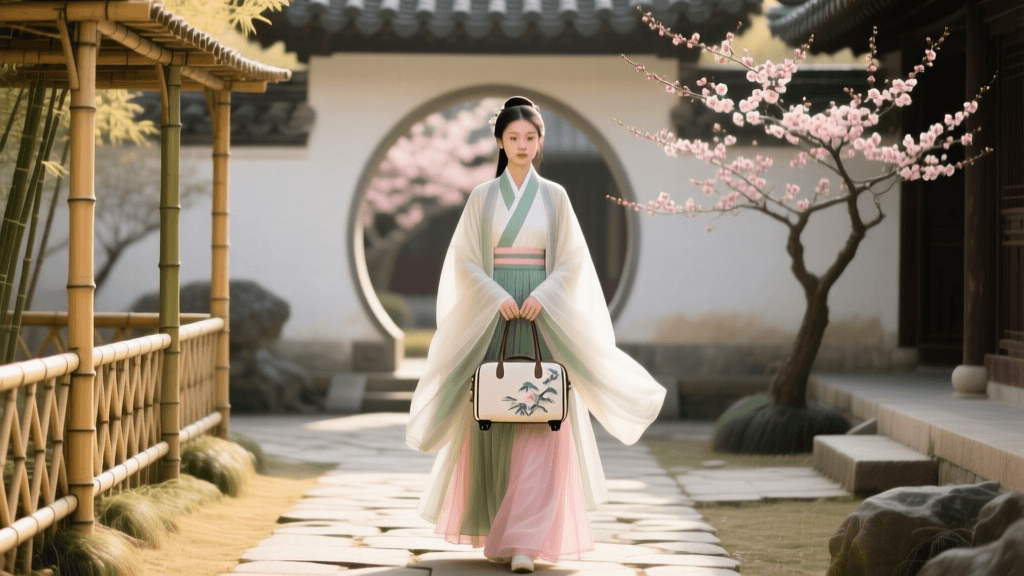
As we navigate through 2026, the global fascination with traditional Chinese clothing has evolved from a niche historical interest into a massive cultural tourism movement. Travelers across Asia and beyond are increasingly packing their suitcases with flowing silks, structured jacquards, and intricate hairpins to capture breathtaking photoshoots in historic settings. However, traveling with hanfu presents a unique set of logistical challenges. Unlike modern casual wear, traditional garments like the Ming Dynasty aoqun (jacket and skirt) or the Tang Dynasty qixiong ruqun (chest-high skirt) require meticulous care to maintain their structural integrity, pleats, and delicate embroidery.
Whether you are taking the newly expanded high-speed rail network across China or flying internationally for a cross-cultural aesthetic exchange, knowing how to pack, transport, and maintain your garments on the go is essential. This comprehensive 2026 guide covers everything from preserving the razor-sharp pleats of a mamianqun to navigating airport security with traditional metal hair accessories, alongside a curated list of the best destinations for hanfu travelers this year.
How to Pack Hanfu: Preserving Pleats and Silks
The most daunting task for any hanfu enthusiast is packing the mamianqun, commonly known as the horse-face skirt. Characterized by its flat front and back panels with intricately pressed side pleats, this skirt can easily lose its shape if crumpled into a standard suitcase. In 2026, the gold standard for packing pleated traditional garments involves a combination of rigid support and acid-free tissue.
The Mamianqun Pleat Protection Technique
To pack a horse-face skirt without destroying the pleats, follow this step-by-step method:
- Step 1: Align the Pleats. Lay the skirt flat on a clean, large surface. Carefully align every single pleat, ensuring the outer and inner folds match perfectly. Use light masking tape or specialized fabric clips at the hem to temporarily hold the bottom edges together.
- Step 2: The Cardboard Core. Cut a piece of rigid, clean cardboard to the exact width of the flat front panel. Place this cardboard over the front panel to provide a hard, unbending base.
- Step 3: Tissue Buffering. Place sheets of acid-free tissue paper between each layer of the pleats. This prevents friction and ensures that the embroidery or woven gold threads do not snag on one another during transit.
- Step 4: The Accordion Fold. Instead of rolling, fold the skirt in a long accordion style along the natural lines of the pleats, wrapping the tissue paper around the entire bundle. Secure the bundle with soft silk ribbons—never use elastic bands, which can leave permanent creases or degrade the fabric over time.
- Step 5: Hard-Shell Garment Box. Place the secured bundle into a rigid, telescopic garment box or a specialized hard-shell packing cube designed for formal wear. This prevents the crushing weight of other luggage items from flattening the pleats.
Rolling vs. Folding: Fabric-Specific Strategies
Not all hanfu should be treated the same way. The packing method must adapt to the textile. According to UNESCO's Intangible Cultural Heritage records on traditional silk craftsmanship, silk fibers are highly susceptible to permanent creasing if left folded under pressure for extended periods. Therefore, delicate silk beizi (Song Dynasty outer jackets) and sheer ruqun tops should be rolled loosely around a soft core, such as a clean cotton t-shirt or a specialized inflatable packing tube, to prevent hard fold lines. Conversely, heavy brocade or stiff jacquard Ming jackets hold their shape better when folded flat with tissue paper padding at the folds to prevent the metallic threads from cracking.
Top Asian Destinations for Hanfu Travelers in 2026
Choosing the right destination is just as important as packing correctly. The ideal location offers not only stunning historical architecture but also a supportive infrastructure for travelers in traditional dress, including accessible changing rooms, rental studios, and welcoming local communities.
1. Xi'an, China: The Tang Dynasty Dream
Xi'an remains the undisputed capital of hanfu tourism. In 2026, the Datang Everbright City has further optimized its nighttime illumination, making it a paradise for Tang Dynasty ruqun and yuanlingpao (round-collar robes) photography. The city has embraced the hanfu movement so thoroughly that it is common to see thousands of locals and tourists in full traditional regalia on any given evening. As noted by Lonely Planet's Xi'an travel guide, the ancient City Wall and the sprawling temple grounds provide unparalleled backdrops. Traveler Tip: Book a professional makeup and styling studio near the Bell Tower in advance, as the 2026 digital reservation systems fill up weeks ahead of major holidays.
2. Suzhou, China: Elegance in the Classical Gardens
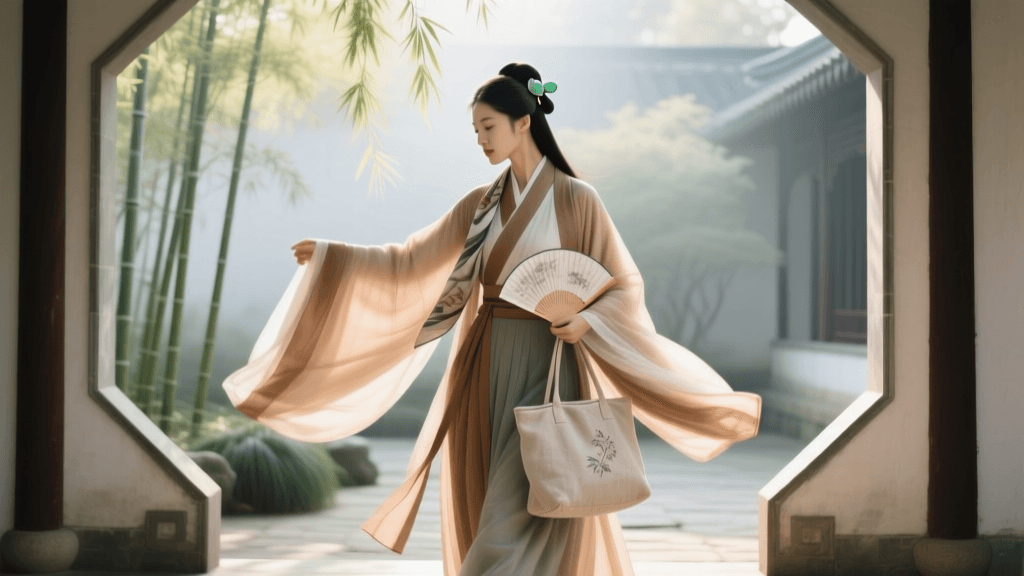
For those who prefer the understated, intellectual elegance of the Song and Ming dynasties, Suzhou is the ultimate destination. The Humble Administrator's Garden and the Lingering Garden offer intimate, lush settings perfect for flowing silk garments and bamboo parasols. In 2026, Suzhou's municipal tourism board has implemented strict crowd-control measures, requiring timed-entry WeChat mini-program reservations. This actually benefits hanfu photographers, as early morning slots (around 7:00 AM) allow for uninterrupted photoshoots in the misty, tranquil pavilions before the midday tour groups arrive.
3. Kyoto, Japan: Cross-Cultural Aesthetics
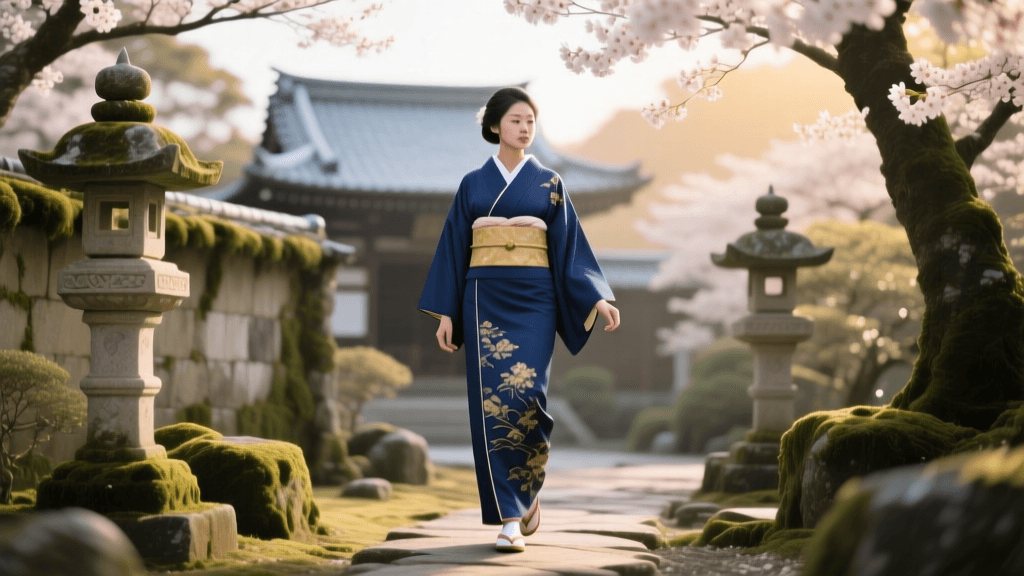
Wearing hanfu in Kyoto has become a beautiful symbol of cross-cultural appreciation and East Asian aesthetic exchange. The bamboo groves of Arashiyama and the wooden machiya streets of Gion provide a stunning, complementary backdrop to the structured silhouettes of Ming Dynasty hanfu. When planning a cross-cultural wardrobe trip, the Japan National Tourism Organization recommends respecting local etiquette, particularly when visiting active shrines and temples. Hanfu travelers in Kyoto often find that the local appreciation for traditional garment maintenance (similar to the care given to kimono) creates a highly respectful and welcoming environment for international visitors in traditional Chinese attire.
Hanfu Travel Comparison Chart
Use the table below to select the best hanfu style for your specific travel itinerary and climate conditions in 2026.
| Hanfu Style | Best Climate / Season | Packing Difficulty | Ideal Destination | Transit Considerations |
|---|---|---|---|---|
| Ming Dynasty Aoqun | Cool / Autumn / Winter | High (Stiff fabrics, heavy pleats) | Beijing, Kyoto, Xi'an (Winter) | Requires rigid garment box; heavy to carry. |
| Song Dynasty Beizi | Mild / Spring / Autumn | Medium (Delicate, prone to wrinkling) | Suzhou, Hangzhou, Kyoto (Spring) | Best rolled with tissue; use portable steamer. |
| Tang Dynasty Ruqun | Warm / Summer | Low (Lightweight, flowing silks) | Xi'an (Summer), Luoyang, Dunhuang | Easily rolled; beware of sheer fabrics snagging. |
| Wei-Jin Cross-Collar | Mild / Breezy | Medium (Multiple long layers) | Mountainous regions, Desert dunes | Layers can drag on dirty ground; pack hem clips. |
Navigating Transit, Security, and Footwear
Traveling in full hanfu or carrying it through transit hubs requires foresight, particularly regarding airport security and footwear. Traditional metal hair accessories, such as the intricate buyao (dangling hairpins) and copper crowns, will inevitably trigger metal detectors. In 2026, the most efficient way to handle this is to pack all metal hairpieces in a dedicated, clearly visible toiletry bag within your carry-on, rather than wearing them through security checkpoints. If you are traveling in full dress, be prepared for a manual pat-down or use of a handheld scanner, as security personnel are increasingly familiar with the complex layers of traditional garments but must still verify concealed items.
Footwear is another critical consideration. Traditional cloth boots (yunxie) or embroidered flats look incredibly authentic but offer virtually zero arch support for the miles of walking required at heritage sites. The modern 2026 hanfu traveler's compromise is to wear high-quality, supportive orthotic insoles inside slightly oversized traditional boots, or to wear modern, neutral-colored Mary Jane shoes that can be hidden beneath the long, sweeping hemlines of a mamianqun. Always pack a pair of lightweight indoor slippers, as you will frequently need to remove your shoes when entering temple halls, traditional tea houses, or rented studio spaces.
On-the-Go Garment Maintenance
Even with the most careful packing, garments will require refreshing upon arrival at your hotel. A handheld travel steamer is non-negotiable for the hanfu traveler. Compact, dual-voltage steamers that heat up in under 30 seconds are ideal for quickly relaxing creases in silk and cotton linings. Avoid using traditional hotel irons directly on jacquard or metallic-threaded fabrics, as the high heat can melt the synthetic components often used in modern traditional brocades. Instead, use a pressing cloth and a low-heat setting, or rely entirely on steam. Additionally, carrying a small bottle of fabric-safe anti-static spray is highly recommended, especially in the dry, northern climates of Xi'an and Beijing, where static cling can ruin the drape of a silk skirt in seconds.
Conclusion
Traveling with hanfu in 2026 is a deeply rewarding experience that bridges the gap between historical reverence and modern exploration. By mastering the art of the pleat-protecting pack, choosing destinations that celebrate traditional aesthetics, and preparing for the practical realities of transit and garment care, you can ensure your cultural wardrobe remains as pristine as the history it represents. Whether you are walking the ancient walls of Xi'an or the bamboo-lined paths of Kyoto, your meticulously packed garments will allow you to step seamlessly into the living tapestry of Asian heritage.