Kimono Milestones 2026: Dressing for Japanese Age Celebrations
The Enduring Legacy of the Kimono in Life Milestones
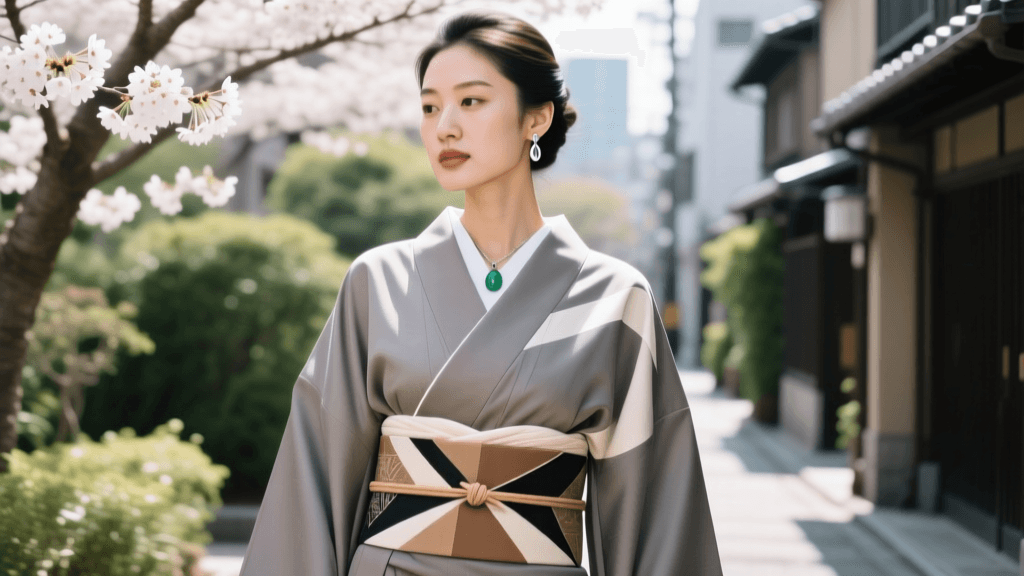
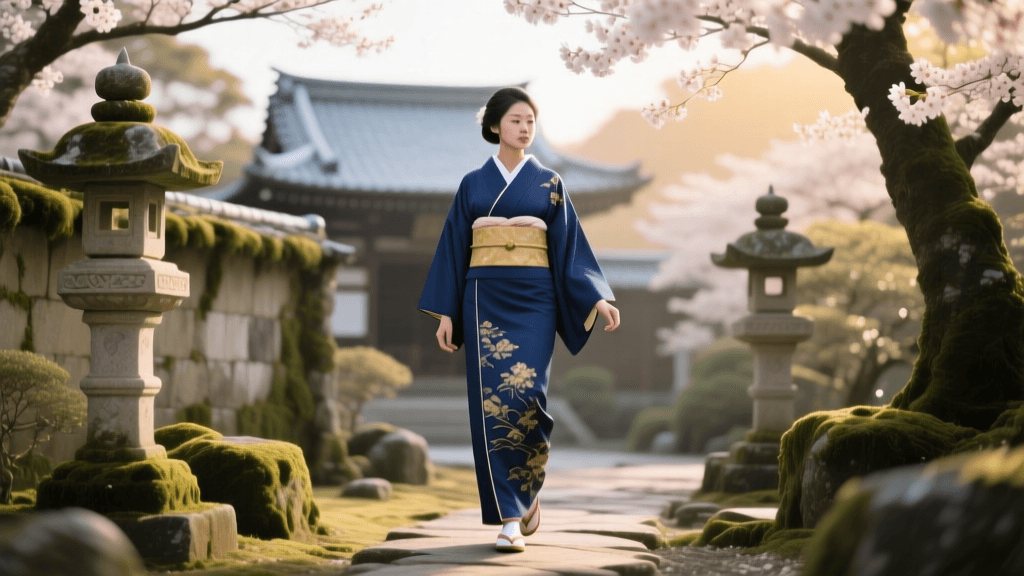
In Japanese culture, the passage of time is not merely measured in years, but in deeply symbolic milestones that mark the transition from one stage of life to the next. As we navigate 2026, the kimono remains a vital vessel for these celebrations, blending centuries-old sartorial rules with contemporary styling innovations. From the vibrant shrines visited during childhood festivals to the elegant, subdued tones of later-life anniversaries, the garments worn during these milestones are steeped in meaning, regional customs, and precise aesthetic codes.
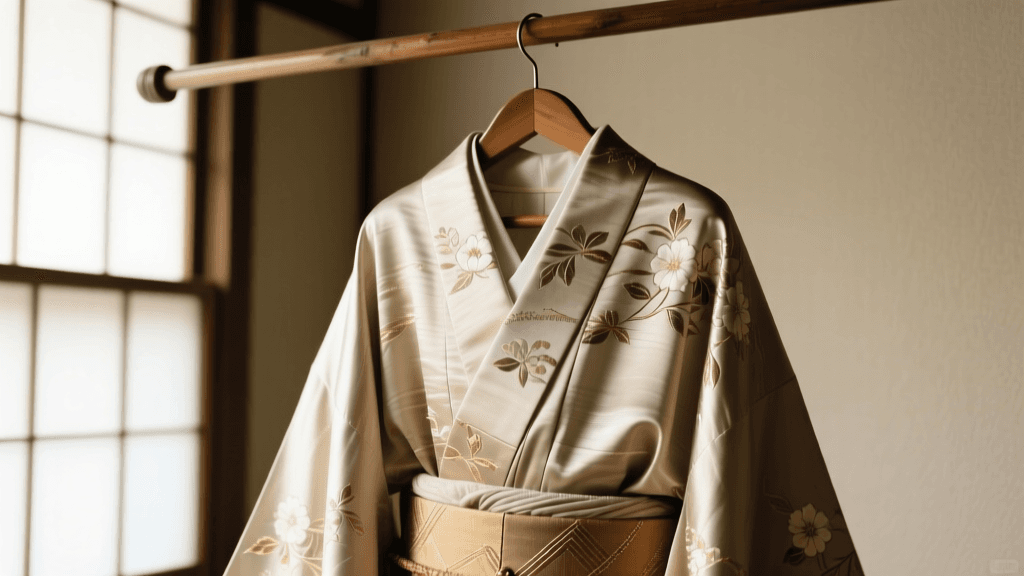
Understanding the specific kimono types, motifs, and layering techniques required for each age milestone is essential for anyone looking to honor these traditions authentically. According to the Metropolitan Museum of Art, the kimono's T-shaped structure serves as a canvas for cultural storytelling, where every color, sleeve length, and family crest (mon) communicates the wearer's age, marital status, and the formality of the occasion. This comprehensive guide details the exact styling rules, 2026 market trends, and actionable advice for dressing in traditional Japanese garments across a lifetime of milestones.
Childhood Milestones: Shichi-Go-San (Ages 3, 5, and 7)
Translating to 'Seven-Five-Three,' Shichi-Go-San is a rite of passage held annually on November 15th to celebrate the growth and well-being of young children. Historically, these ages were considered critical survival milestones, and today, they are marked by visits to Shinto shrines in specialized traditional attire.
Girls (Ages 3 and 7)
Three-year-old girls typically wear a bright, long-sleeved kimono paired with a hifu—a padded, sleeveless silk vest that eliminates the need for a complex, tightly tied obi, ensuring the child's comfort. By age seven, girls transition to wearing a full obi tied in a decorative knot, often mimicking adult styles but scaled down. In 2026, parents are increasingly favoring lightweight, breathable peace-silk blends and stretch-fabric datejime (under-belts) to keep children comfortable during long autumn shrine visits. Popular motifs include shochikubai (pine, bamboo, and plum) for resilience, and botan (peony) for prosperity.
Boys (Age 5)
Five-year-old boys celebrate by wearing their first hakama (pleated trousers) and haori (jacket) over a kimono. The ensemble is typically adorned with the family crest and features auspicious motifs like cranes (tsuru) or samurai helmets (kabuto). Modern 2026 trends show a rise in custom-sized, anti-wrinkle synthetic hakama that allow active five-year-olds to move freely without ruining the garment's pleats.
Coming of Age: Seijin-shiki (Age 20)
Held on the second Monday of January, Seijin no Hi (Coming of Age Day) welcomes twenty-year-olds into adult society. This is arguably the most visually spectacular kimono milestone in Japan, characterized by the breathtaking furisode.
The Furisode: Sleeve Lengths and Symbolism
The furisode is the most formal kimono for unmarried young women, instantly recognizable by its long, swinging sleeves. The sleeve length denotes specific nuances in formality and age:
- Kofurisode (Short Sleeves): Approximately 85cm. Often worn for slightly less formal parties or by those seeking greater mobility.
- Chufurisode (Medium Sleeves): Approximately 100cm. The most common and versatile choice for Seijin-shiki in 2026.
- Ofurisode (Long Sleeves): 114cm or longer. Highly formal, dramatic, and traditionally reserved for brides or the most elite ceremonial events, though increasingly popular for high-end Coming of Age photography.
Recent reports from The Japan Times highlight that the 2026 Seijin-shiki season is dominated by 'retro-modern' aesthetics. Young women are pairing vintage Taisho-era (1912-1926) furisode with contemporary, avant-garde obi knots, such as the elaborate fukura-suzume (puffed sparrow) or 3D floral arrangements crafted from stiffened silk organza. Furthermore, young men are increasingly returning to the traditional dark montsuki hakama (crested formal trousers) rather than Western suits, driven by a renewed interest in heritage menswear and sustainable garment rental markets.
Marriage and Maternal Milestones
Weddings represent a profound shift in a woman's kimono wardrobe. The ceremony is often performed in a shiromuku, a pure white ensemble symbolizing the bride's willingness to be 'dyed' the colors of her new family. The reception typically features an iro-uchikake, a heavily brocaded, colorful outer robe worn open over a base kimono. Once married, a woman transitions away from the long-sleeved furisode to the tomesode. The kurotomesode (black with crests and hem patterns) is the pinnacle of formality for married women, often worn by the mothers of the bride and groom. In 2026, digital catalog previews and AI-driven virtual fittings have revolutionized how brides select their uchikake, allowing for precise color-matching with venue decor months before the physical garment is tailored or rented.
Later Life Celebrations: Kanreki, Koki, and Kiju
As individuals enter their later years, the kimono palette shifts toward elegance, subtlety, and profound symbolism.
Kanreki (Age 60)
The 60th birthday marks the completion of the traditional sexagenary zodiac cycle, symbolizing a 'rebirth.' The traditional color for Kanreki is red. While historically this meant wearing a red chanchanko (padded vest), modern 60-year-olds in 2026 prefer sophisticated red iromuji (solid color) kimono or elegant tsukesage with subtle crimson accents, paired with silver or gold obi to elevate the formality.
Koki (Age 70) and Kiju (Age 77)
These milestones celebrate longevity. The styling rules dictate subdued, refined colors such as deep aubergine, sage green, soft gold, and slate blue. Garments like the edo-komon (featuring micro-patterns that appear solid from a distance) are highly favored for their understated luxury. The Japan National Tourism Organization notes that these later-life milestones are increasingly celebrated with multi-generational family photoshoots, where the matriarch's kimono serves as the visual anchor of the family's heritage.
2026 Kimono Rental and Purchase Market Trends
Navigating the financial and logistical aspects of acquiring milestone kimono requires careful planning. The 2026 market has seen a significant shift toward high-end rental services that include full dressing (kitsuke), hair styling, and professional photography packages. Below is a comparative breakdown of current market expectations.
| Milestone & Age | Primary Garment | 2026 Avg. Rental (JPY) | 2026 Avg. Purchase (JPY) | Booking Lead Time |
|---|---|---|---|---|
| Shichi-Go-San (3, 5, 7) | Hifu / Hakama Set | ¥15,000 - ¥25,000 | ¥60,000 - ¥120,000 | 2-3 Months |
| Seijin-shiki (20) | Furisode (Full Set) | ¥80,000 - ¥150,000 | ¥300,000 - ¥800,000+ | 4-6 Months |
| Wedding (Bride) | Shiromuku / Uchikake | ¥150,000 - ¥300,000 | ¥1,000,000 - ¥3,000,000 | 6-9 Months |
| Kanreki (60) | Iromuji / Tsukesage | ¥30,000 - ¥50,000 | ¥150,000 - ¥400,000 | 1-2 Months |
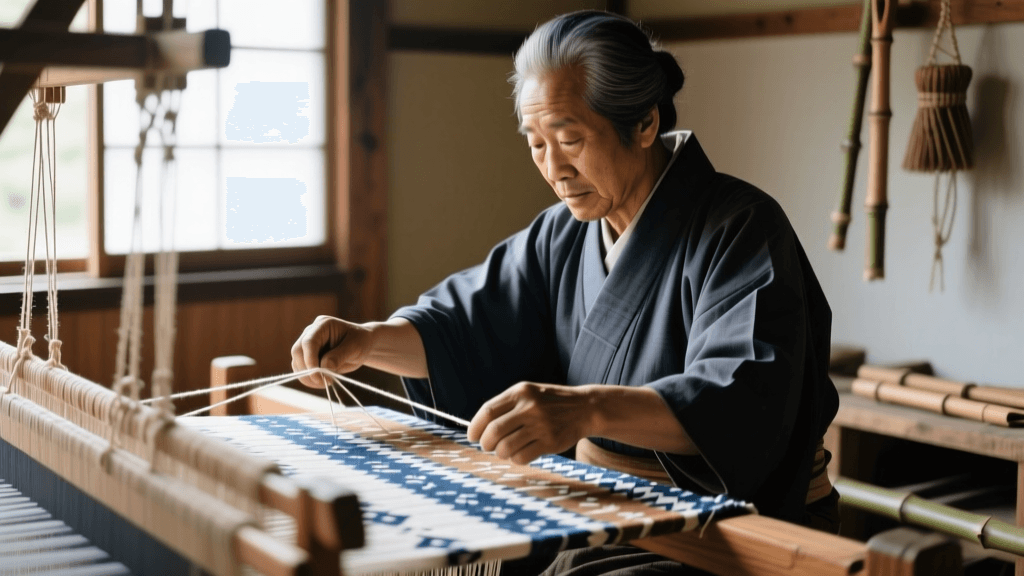
Note: Rental prices in 2026 typically include the kimono, obi, undergarments, zori (sandals), and basic dressing services. Purchase prices reflect new, artisan-crafted silk garments from established weaving centers like Nishijin and Yuzen.
Sourcing, Measurements, and Actionable Styling Tips
Whether you are renting or purchasing, achieving the perfect silhouette requires precise measurements and an understanding of the underlying architecture of the kimono.
Essential Measurements for 2026
- Yuki (Arm Span): Measured from the center of the back of the neck, over the shoulder, and down to the wrist bone. A correct yuki ensures the sleeve falls elegantly without exposing the wrists or dragging on the ground.
- Mitake (Body Length): Measured from the base of the neck to the ankle. The kimono is tailored to fold at the waist (the ohashori), so accurate length is crucial for proper proportion.
- Hip and Waist: While kimono are straight-lined, the padding (kimono bra and waist towels) used to create the ideal cylindrical silhouette must be customized to the wearer's 2026 body metrics to prevent the obi from slipping.
Footwear and Accessories
Never underestimate the importance of tabi (split-toe socks) and zori (sandals). In 2026, custom-molded EVA foam zori have become the industry standard for milestone events, providing the traditional aesthetic of lacquered wood or brocade while offering the arch support necessary for standing during lengthy ceremonies. Always purchase tabi a half-size smaller than your standard shoe size to ensure a wrinkle-free, taut appearance around the ankles.
Timing and Preservation
For January milestones like Seijin-shiki, booking your kitsuke (dressing) appointment must be done by late summer of the previous year. Salons in major cities like Tokyo and Kyoto operate on strict 30-minute rotational slots starting as early as 6:00 AM. If purchasing a vintage or antique furisode, ensure it undergoes professional arai-hari (traditional washing and re-stretching) at least three months before the event to address any silk degradation and restore the fabric's vibrant luster.
Conclusion
The kimono is far more than a static historical artifact; it is a living, breathing participant in the Japanese lifecycle. By understanding the nuanced rules governing Shichi-Go-San, Seijin-shiki, and later-life celebrations, participants in 2026 can honor their heritage with both authenticity and modern grace. Whether swathed in the vibrant silks of youth or the dignified brocades of maturity, the milestone kimono remains an unparalleled expression of identity, family, and the beautiful passage of time.